















Glutathione for Dark Spots: How It Works and What the Science Actually Shows

Dark spots are not simply areas where the skin has become “darker.” They are the visible result of changes in melanin production, distribution, or persistence within the skin. Sun exposure, acne, inflammation, hormonal signaling, irritation, and repeated skin injury can all stimulate pigmentation through different biological pathways. That distinction matters because the most effective approach to discoloration is rarely about finding one universally “brightening” ingredient.
Glutathione for dark spots is scientifically interesting because glutathione may influence pigmentation through several mechanisms at once. It functions primarily as an important cellular antioxidant, but research also suggests that it can interact with melanogenesis—the biochemical process through which melanocytes produce melanin.
The evidence does not justify treating glutathione as a miracle dark-spot eraser. Clinical research remains smaller and less developed than the evidence base behind some established pigmentation treatments. However, topical glutathione has enough mechanistic and clinical evidence to make it a legitimate ingredient to consider in a well-designed routine for uneven-looking skin tone, particularly when antioxidant support is also a priority. Recent systematic reviews have reported promising results for topical glutathione while emphasizing that larger, better-controlled trials are still needed.
For a broader understanding of why discoloration develops and why different dark spots behave differently, Elora Clinic’s Hyperpigmentation and Dark Spots Guide explains pigmentation from a complete skin-biology and routine-design perspective.
What Is Glutathione?
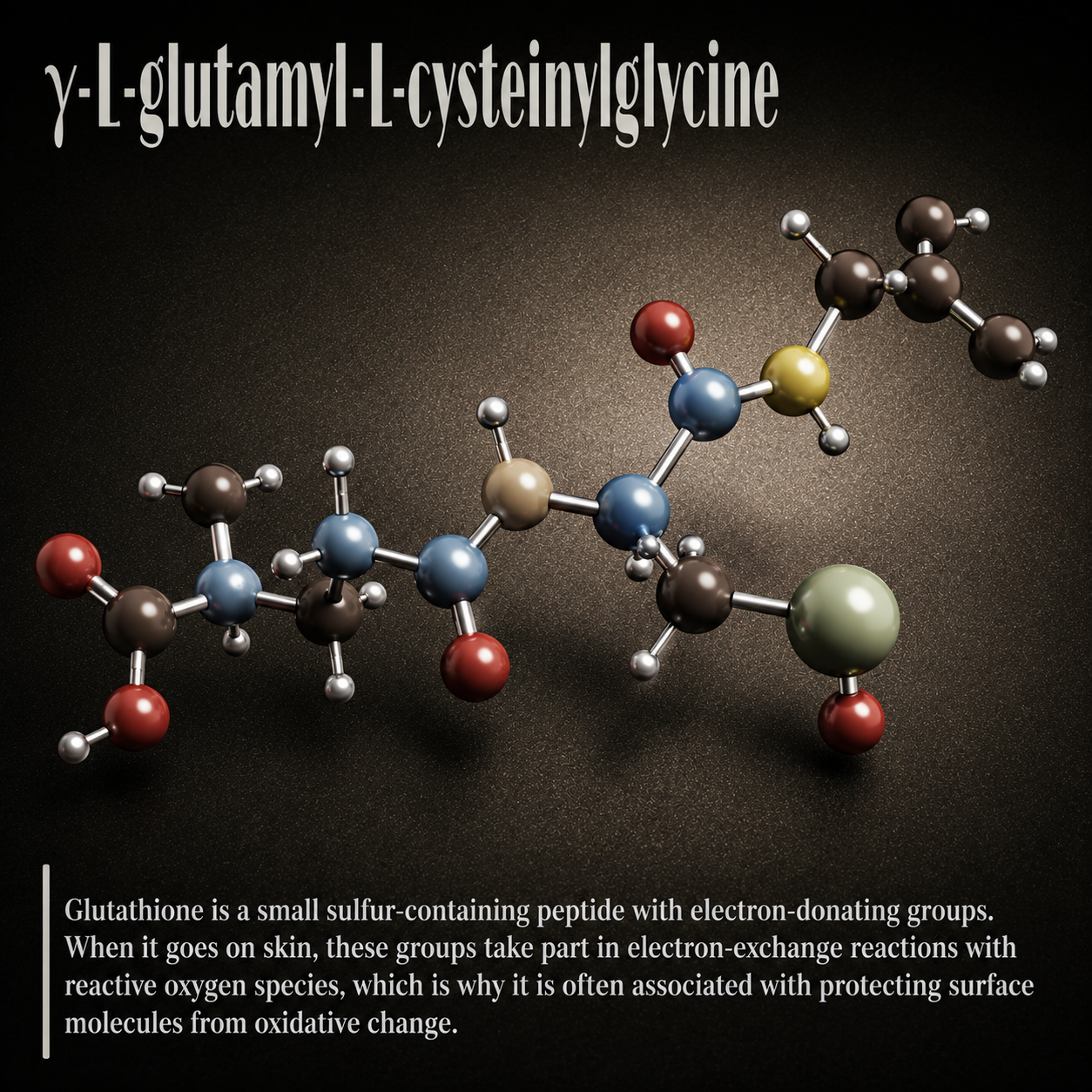
Glutathione is a naturally occurring tripeptide composed of three amino acids:
- glutamate
- cysteine
- glycine
It is present throughout the body and plays a central role in cellular redox regulation.
In simplified terms, cells constantly face oxidative reactions. Reactive oxygen species are normal products of metabolism and environmental exposure, but when their production exceeds the skin’s antioxidant defenses, oxidative stress can develop. Glutathione participates in the systems that help control this redox environment.
Glutathione exists primarily in two interconnected states: reduced glutathione, commonly abbreviated GSH, and oxidized glutathione, or GSSG. The relationship between these forms is part of the cellular antioxidant system rather than a simple “antioxidant neutralizes one free radical” process.
This distinction is important in skincare because pigmentation itself is influenced by oxidative signaling.
Ultraviolet radiation, inflammation, and other forms of cellular stress can generate reactive oxygen species and contribute to signaling that stimulates melanogenesis. Research examining the glutathione system has therefore focused not only on glutathione’s ability to reduce oxidative stress but also on its potential direct influence on the biochemical pathways responsible for melanin formation.
That makes glutathione different from an ingredient whose only cosmetic function is exfoliation or surface hydration. Its relevance to dark spots comes from its position at the intersection of antioxidant biology and pigment regulation.
Can Glutathione Help Dark Spots?

Potentially, yes—but the answer requires precision.
Glutathione may help improve the appearance of some forms of uneven pigmentation, but “dark spots” describes several different conditions rather than one biological problem.
Common examples include:
Post-inflammatory hyperpigmentation (PIH): pigmentation that appears after acne, irritation, injury, dermatitis, picking, or another inflammatory event.
UV-related discoloration: pigmentation associated with repeated sun exposure and accumulated photodamage.
Melasma: a complex pigmentation disorder influenced by factors including ultraviolet and visible-light exposure, hormonal signaling, genetics, vascular factors, and melanocyte activity.
General uneven-looking tone: diffuse differences in pigmentation that do not necessarily correspond to a single diagnosed pigment disorder.
These conditions share melanogenesis as part of their biology, but they do not behave identically.
That is why the more scientifically useful question is not simply, “Does glutathione lighten skin?”
It is:
Can glutathione influence the biological processes that contribute to excessive or uneven melanin formation?
Research suggests that it can.
Several mechanisms have been proposed, including effects on tyrosinase activity, changes in the chemistry that determines which type of melanin is produced, and modulation of oxidative stress associated with melanogenesis.
Understanding those mechanisms explains why glutathione has attracted attention in pigmentation research.
How Glutathione May Affect Melanin Production
Melanin is produced inside specialized cells called melanocytes, which are located primarily in the basal region of the epidermis.
Melanocytes manufacture pigment inside structures called melanosomes. These melanosomes are eventually transferred to surrounding keratinocytes, contributing to visible skin pigmentation.
One of the most important enzymes controlling this process is tyrosinase.
Tyrosinase catalyzes early reactions in melanogenesis, including the oxidation of tyrosine toward dopaquinone. From there, the pathway can proceed toward different melanin pigments.
Two major categories are:
Eumelanin, generally associated with brown-to-black pigmentation.
Pheomelanin, which is comparatively yellow-to-red in character.
Glutathione appears particularly interesting because it may influence pigmentation at several different points in this process rather than through one isolated mechanism.
1. Glutathione May Influence Tyrosinase Activity
Tyrosinase contains copper within its active site.
Research has proposed that glutathione can interfere with tyrosinase activity, potentially through interactions involving the enzyme’s copper-containing catalytic system.
Because tyrosinase participates in a rate-limiting stage of melanogenesis, reduced tyrosinase activity can mean less downstream pigment synthesis.
This is one reason tyrosinase inhibition appears repeatedly in pigmentation science: many well-known brightening ingredients ultimately attempt to influence this same biochemical bottleneck, although they do so through different mechanisms.
Glutathione’s proposed effect should not be interpreted as complete inhibition of melanin production. Melanin is biologically important, and pigmentation regulation involves numerous signaling networks beyond a single enzyme.
Instead, glutathione appears capable of modulating the melanogenic environment.
2. Glutathione May Shift Melanin Chemistry
One of the more unusual features of glutathione is its possible influence on the type of melanin produced.
After dopaquinone is formed during melanogenesis, its subsequent chemistry helps determine whether pigment synthesis proceeds toward eumelanin or pheomelanin.
Because glutathione contains a reactive thiol group, it can participate in reactions involving dopaquinone. Experimental research has therefore proposed that higher glutathione availability may favor pathways associated with pheomelanin formation rather than darker eumelanin formation.
This mechanism is often oversimplified online as “glutathione changes dark melanin into light melanin.”
That is not an accurate description.
Glutathione does not bleach existing pigment molecules already sitting inside the skin. Rather, the proposed mechanism concerns the biochemistry occurring while new melanin is being synthesized.
That difference becomes especially important when thinking about existing dark spots.
A serum cannot instantly remove melanin that has already accumulated inside keratinocytes. Visible improvement depends partly on reducing the signals encouraging excess pigmentation while normal epidermal turnover gradually changes the distribution of previously formed pigment.
3. Glutathione May Reduce Oxidative Signals That Promote Pigmentation

The antioxidant mechanism may be equally important.
Ultraviolet radiation can increase reactive oxygen species within the skin. Inflammatory processes can do the same. Oxidative stress is not merely collateral damage—it can participate in signaling pathways associated with melanogenesis.
The glutathione system is one of the body’s major endogenous defenses against oxidative stress.
By helping maintain cellular redox balance, glutathione may indirectly reduce some of the oxidative signals associated with increased pigment production. Research examining antioxidant systems in melanocytes supports an important relationship between redox biology and melanogenesis.
This creates an important conceptual difference between treating a dark spot and treating the environment that keeps producing the dark spot.
If pigmentation is continually being stimulated by ultraviolet radiation, inflammation, acne lesions, irritation, or aggressive skincare, adding another brightening ingredient without addressing those triggers can produce disappointing results.
This is also why persistent discoloration is explored more broadly in Elora Clinic’s guide to why dark spots may not be fading.
Glutathione Is Not an Exfoliating Dark-Spot Treatment
One of the easiest ways to understand glutathione is to compare it conceptually with exfoliating ingredients.
An alpha-hydroxy acid such as glycolic acid can accelerate changes at the skin surface and influence the removal of pigmented keratinocytes.
Glutathione works differently.
Its primary interest is biochemical regulation and antioxidant activity, not aggressive exfoliation.
That distinction can be useful for people building pigmentation routines because attempting to fade dark spots by continually increasing exfoliation can eventually become counterproductive. Excess irritation can damage barrier function and trigger additional inflammation—particularly in skin that is susceptible to post-inflammatory hyperpigmentation.
In other words, a dark-spot routine can fail because it is too aggressive.
A well-designed pigmentation strategy therefore needs to consider more than how quickly an ingredient can resurface the skin. It should also consider inflammation, oxidative stress, barrier tolerance, UV exposure, and whether the routine itself is creating new pigment signals.
What Does the Clinical Evidence Say About Topical Glutathione?
The clinical evidence is promising but should not be exaggerated.
A systematic review evaluating glutathione as a skin-lightening agent and in melasma found evidence supporting topical glutathione, including research in which topical formulations produced measurable improvements in pigmentation. The authors also noted substantial variation among studies and limitations in the overall evidence base.
Another systematic review of topical glutathione reported that a 2% oxidized glutathione lotion reduced melanin index in clinical research, while emphasizing the need for additional randomized controlled trials and more complete safety data.
Earlier clinical reviews reached a similar conclusion: glutathione shows a signal of effectiveness, but the evidence is not strong enough to justify the extravagant claims sometimes attached to the ingredient.
That is an important distinction.
The scientifically defensible position is not that glutathione is proven to erase dark spots. It is that glutathione has biologically plausible pigment-regulating mechanisms and emerging clinical evidence supporting topical use for improving the appearance of pigmentation and uneven tone.
For readers specifically considering a topical approach, Elora Clinic’s Glutathione Face Serum uses glutathione as the featured antioxidant in a water-based system supported by aloe vera, glycerin, and sodium hyaluronate. The formulation is intentionally focused on antioxidant support, tone support, and hydration rather than combining numerous aggressive actives into a single serum.
That formulation approach raises the next important question: why does the vehicle, stability, and surrounding formula matter so much when glutathione is applied topically?
Why Formulation Matters With Topical Glutathione
Understanding an ingredient’s biological mechanism is only half of evaluating a skincare product. The second question is whether the ingredient can remain sufficiently stable inside a formulation, reach the relevant region of the skin, and coexist with the other components of the formula.
This is particularly important with glutathione.
Reduced glutathione, or GSH, is a highly reactive molecule. Its antioxidant function is possible partly because its cysteine residue contains a thiol group capable of participating in oxidation-reduction reactions. That biochemical reactivity is useful inside biological systems, but it also creates formulation challenges.
Glutathione can oxidize into glutathione disulfide, or GSSG. Environmental conditions including oxygen exposure, temperature, formulation composition, metal ions, and storage conditions can influence chemical stability.
This means that two products containing “glutathione” on an ingredient list are not necessarily functionally equivalent.
A formula must be considered as an entire chemical system.
The Stratum Corneum Creates Another Challenge

The outermost portion of the epidermis—the stratum corneum—is specifically designed to limit the movement of substances from the external environment into the body.
This barrier is essential for human survival.
Its architecture is frequently compared with “bricks and mortar”: corneocytes behave roughly like structural bricks, while extracellular lipids containing ceramides, cholesterol, and fatty acids help form the surrounding matrix.
That structure makes it difficult for many hydrophilic and relatively large molecules to penetrate deeply.
Glutathione is hydrophilic and has physicochemical characteristics that make passive movement through the lipid-rich stratum corneum challenging. Experimental formulation research has specifically identified limited stratum-corneum penetration and instability as obstacles to topical GSH delivery. Researchers investigating lipid nanoparticle delivery systems reported substantially greater glutathione penetration compared with a simple aqueous glutathione solution.
That does not mean an ordinary topical glutathione serum is useless.
It means formulation claims should be interpreted with more sophistication than simply asking whether glutathione appears on the ingredient list.
Vehicle composition, concentration, contact time, ingredient form, stability, and the biological target all influence what a topical formulation may accomplish.
Reduced Glutathione vs. Oxidized Glutathione
Skincare discussions frequently focus on reduced glutathione because GSH is the biologically active reduced form strongly associated with antioxidant defense.
However, oxidized glutathione deserves attention as well.
When two molecules of reduced glutathione undergo oxidation, they can form glutathione disulfide, or GSSG. Inside living cells, specialized enzymatic systems can participate in maintaining the balance between these forms.
Interestingly, one of the better-known topical human studies did not use reduced glutathione. It investigated a 2% oxidized glutathione lotion.
Thirty adult women participated in a randomized, double-blind, placebo-controlled split-face study. Participants applied the glutathione lotion to one side of the face and placebo to the other twice daily for ten weeks. The researchers reported a significantly lower melanin index on the glutathione-treated side as well as improvements in several measurements of skin condition.
This finding is important for two reasons.
First, it provides human evidence that topical glutathione-related systems can produce measurable changes in pigmentation.
Second, it demonstrates why the statement “only reduced glutathione works” is too simplistic.
Current research does not yet allow us to declare one universal form, concentration, or delivery system superior for every pigmentation concern. A 2025 systematic review of topical glutathione found only five qualifying clinical trials, which is encouraging enough to justify continued interest but far too small a literature base for absolute conclusions.
Is Glutathione for Dark Spots the Same as Skin Bleaching?
No—and the distinction matters.
Using glutathione for dark spots should be approached as an attempt to improve areas of excess or uneven pigmentation, not as an attempt to change someone’s natural skin color.
Healthy melanocytes produce melanin for a reason. Melanin contributes to photoprotection by absorbing and dispersing ultraviolet radiation and helping protect cellular structures from UV-associated damage.
A responsible pigmentation routine therefore does not attempt to eliminate melanogenesis.
The objective is to address dysregulated pigmentation: areas where melanin production or distribution has become disproportionately elevated compared with surrounding skin.
Examples include:
- a brown mark left after an acne lesion
- pigmentation following irritation or inflammation
- persistent sun-related spots
- areas of uneven tone associated with repeated UV exposure
- certain forms of superficial hyperpigmentation
This distinction is also important when interpreting research. Some clinical papers use the historical terminology “skin whitening” or “skin lightening” because those were the measured outcomes and terminology used by researchers. In practical dermatologic skincare, however, treating a localized post-acne mark is conceptually different from attempting generalized alteration of natural skin pigmentation.
For readers dealing specifically with acne-related marks, Elora Clinic’s guide to serums for acne scars and hyperpigmentation provides additional context for separating post-inflammatory pigmentation from other forms of acne scarring.
Which Dark Spots Are Most Likely to Respond?
This is where pigmentation biology becomes more useful than marketing language.
Not every brown, gray, or darkened mark is located at the same depth in the skin.
Epidermal Pigmentation
When excess melanin is concentrated primarily within the epidermis, pigmentation frequently appears brown.
Because epidermal keratinocytes naturally turn over, reducing continued melanogenic signaling while protecting the skin from additional UV stimulation gives existing pigmented cells an opportunity to move gradually toward the surface.
Topical skincare generally has its strongest conceptual role here.
Dermal Pigmentation
Pigment can sometimes move deeper into the dermis, particularly after significant inflammation. Melanin may then be taken up by dermal macrophages.
These marks can appear gray, blue-gray, or particularly persistent.
Topical products usually have more difficulty meaningfully changing deeper dermal pigmentation because the pigment is no longer limited to epidermal keratinocytes.
This helps explain why some people use a brightening serum consistently yet see one mark improve considerably while another barely changes.
The difference may not be product failure.
The underlying pigmentation can simply be biologically different.
Elora Clinic discusses these distinctions more broadly in Why Skin Discoloration Happens and its complete Hyperpigmentation Treatment and Dark Spots Guide.
Why Post-Inflammatory Hyperpigmentation Requires a Different Strategy
Post-inflammatory hyperpigmentation deserves special attention because it demonstrates how easily a pigmentation treatment can sabotage itself.
PIH develops after inflammation or injury stimulates melanocyte activity.
Common triggers include:
- inflammatory acne
- picking or squeezing blemishes
- eczema
- aggressive exfoliation
- burns
- irritating cosmetic products
- waxing or other physical irritation
- certain dermatologic procedures
The inflammatory process can stimulate melanogenesis, leaving excess pigment after the original inflammation has resolved.
Now consider what happens when someone sees the resulting spot and responds by aggressively exfoliating it every day.
The skin becomes irritated.
The irritation produces more inflammatory signaling.
The inflammatory signaling can encourage additional pigmentation.
The person then applies even more aggressive products because the spot is not fading.
The result can become a self-reinforcing cycle.
This is why a sophisticated approach to glutathione for dark spots should not evaluate glutathione in isolation. The entire routine has to reduce the conditions encouraging excess pigmentation.
Elora Clinic’s guide to fading dark spots faster without damaging the skin explores this principle in greater detail.
Glutathione and the Antioxidant Approach to Pigmentation
Glutathione fits naturally into a broader antioxidant strategy.
Pigmentation is strongly associated with melanocyte signaling, but melanocytes do not exist independently from the rest of the skin. Keratinocytes, inflammatory mediators, oxidative stress, ultraviolet exposure, hormonal factors, and barrier condition can all influence the environment in which melanogenesis occurs.
This is why antioxidants are relevant even when they do not act like conventional exfoliating acids.
Glutathione’s biological role in redox regulation gives it a particularly interesting position.
Rather than trying to strip pigmented cells from the surface, the strategy is partly to influence the biochemical environment associated with new pigment formation.
Readers who want the broader antioxidant context can explore Elora Clinic’s Glutathione Serum Benefits Guide and its Antioxidant Serum education cluster.
This distinction also helps explain why glutathione can logically be combined with ingredients that work through different pathways.
A pigmentation routine might simultaneously address:
melanin synthesis through pigment-regulating ingredients;
oxidative stress through antioxidants;
inflammation by eliminating unnecessary irritation;
epidermal turnover through carefully selected exfoliating or renewal ingredients when appropriate;
barrier integrity through adequate hydration and moisturization;
and, most importantly,
UV-driven melanogenesis through consistent photoprotection.
No antioxidant serum—including an advanced formulation—can compensate for uncontrolled ultraviolet exposure.
How Long Does Glutathione Take to Work on Dark Spots?

There is no scientifically defensible universal number.
Skin pigmentation changes gradually because visible improvement depends not only on biochemical changes in melanogenesis but also on the fate of pigment that has already been produced.
The previously discussed topical GSSG trial continued for 10 weeks, with measurable differences developing during the treatment period.
That gives useful context, but it should not be converted into a promise that every user will see a specific result in ten weeks.
Real-world outcomes depend on:
- the cause of the pigmentation
- whether pigment is primarily epidermal or dermal
- the intensity and duration of the discoloration
- continued sun exposure
- sunscreen consistency
- inflammatory acne activity
- skin tone and individual melanocyte responsiveness
- the glutathione formulation being used
- other ingredients in the routine
- treatment consistency
- whether irritation is continuing to create new pigment
This is why judging glutathione for dark spots after several days makes little biological sense.
Pigmentation treatment is better understood as controlling new pigment formation while allowing existing visible pigment to resolve progressively.
Once that principle is understood, the practical question becomes much easier to answer: how should a topical glutathione serum actually be placed into a dark-spot routine, and which ingredients should—or should not—be used alongside it?
How to Use Glutathione in a Dark-Spot Routine
A topical pigmentation routine works best when each step addresses a different part of the pigmentation process rather than repeatedly attacking the skin with ingredients that perform essentially the same function.
For glutathione for dark spots, that means treating glutathione primarily as an antioxidant and pigment-regulating component of the routine—not as the only treatment required.
A well-designed routine may need to address four separate issues:
- excess melanin production
- transfer and persistence of pigment within the epidermis
- inflammation and oxidative stress
- ongoing stimulation from ultraviolet and visible-light exposure
This is why combination routines can be more rational than relying on one increasingly aggressive active.
Where Should a Glutathione Serum Go in the Routine?
For most water-based glutathione serums, application should occur after cleansing and before heavier creams, facial oils, or sunscreen.
A practical morning order is:
Cleanser → glutathione serum → moisturizer if needed → broad-spectrum sunscreen
At night:
Cleanser → glutathione serum → complementary treatment if appropriate → moisturizer
The exact order can change depending on the textures and active ingredients being combined. As a general formulation principle, lighter water-based treatments are usually applied before heavier lipid-rich products because applying a highly occlusive product first can interfere with the spread and contact of a water-based serum.
Readers using several treatments can follow Elora Clinic’s complete guide on how to layer serums in a skincare routinerather than assuming that every active should simply be applied one after another.
The larger issue, however, is not whether glutathione goes second or third in a six-product routine. It is whether the routine is tolerable enough to be used consistently.
A simple routine followed for months is generally more rational for persistent pigmentation than a complicated routine that repeatedly causes redness, burning, peeling, or breakouts.
Can You Use Glutathione With Vitamin C?
In many routines, yes.
Vitamin C and glutathione are both antioxidants, but that does not make them biologically identical.
Vitamin C is involved in antioxidant defense and can influence melanogenesis, while glutathione participates extensively in cellular redox systems and may influence both tyrosinase-associated pathways and the chemistry of melanin formation.
This creates a reasonable scientific basis for using the two within the same overall pigmentation strategy.
However, there is an important formulation distinction.
“Vitamin C” does not describe one single cosmetic molecule. A product may contain L-ascorbic acid or one of numerous vitamin C derivatives, each with different stability, solubility, formulation, and pH requirements.
An acidic L-ascorbic acid serum may behave very differently on the skin from a formula based on a more stable derivative.
Therefore, the question should not simply be:
Can glutathione and vitamin C be used together?
The better question is:
Can these specific formulations be used together comfortably and consistently on this particular skin?
For people deciding which antioxidant better fits their routine, Elora Clinic provides a detailed comparison in Vitamin C vs. Glutathione for Skin Brightening.
Using multiple antioxidants does not automatically mean faster fading. If layering several treatments creates irritation, the theoretical advantage can disappear because inflammation itself may stimulate pigmentation.
Can You Use Glutathione With Niacinamide?
This may be one of the more logically complementary combinations for uneven pigmentation.
The reason is mechanism.
Glutathione has been investigated for effects involving oxidative stress, tyrosinase-related activity, and melanogenesis. Niacinamide appears to influence pigmentation differently.
Research has demonstrated that niacinamide can reduce the transfer of melanosomes from melanocytes to surrounding keratinocytes. In one clinical investigation, topical niacinamide significantly reduced hyperpigmentation after four weeks compared with vehicle treatment. (PubMed)
Think of pigmentation as a production-and-distribution system.
The melanocyte manufactures melanin.
The pigment is packaged into melanosomes.
Those melanosomes are transferred into keratinocytes.
The pigment then becomes visible across the epidermis.
Ingredients acting at different stages of that sequence can theoretically complement each other better than several products targeting the exact same biochemical step.
This does not mean everyone needs a multi-serum routine. Sensitive or reactive skin may perform better with fewer products.
It does mean that combination strategies should ideally be based on mechanistic complementarity, not the assumption that stacking more “brightening” ingredients always creates better results.
What About Glutathione With Retinol or Exfoliating Acids?

These combinations require more restraint.
Retinoids and exfoliating acids can be useful in pigmentation routines because epidermal renewal can help gradually reduce the persistence of pigmented keratinocytes. Retinoids also influence several aspects of epidermal biology beyond simple exfoliation.
The problem arises when people attempt to accelerate dark-spot fading by combining:
- retinoids
- AHAs
- BHAs
- scrubs
- strong vitamin C formulas
- multiple brightening serums
- aggressive cleansers
all within the same routine.
That is rarely a sophisticated strategy.
If the routine damages the barrier or produces persistent inflammation, the resulting irritation may become another stimulus for post-inflammatory pigmentation.
People particularly prone to marks after acne or irritation should treat inflammation control as part of pigmentation treatment itself.
Elora Clinic’s guide to the best serum for post-inflammatory hyperpigmentation explores this relationship in more detail.
A glutathione serum can often be placed within a routine containing a retinoid or exfoliant, but introducing treatments gradually or alternating them may be more tolerable than layering everything during the same application.
Morning or Night: When Should Glutathione Be Used?
A topical glutathione serum can potentially fit into either the morning or nighttime routine.
Morning use has a logical advantage because antioxidant skincare can accompany the skin’s daytime photoprotection strategy.
Nighttime use can be equally practical for users who prefer fewer layers under sunscreen and makeup.
What matters more than morning versus night is consistency, formulation stability, tolerability, and sun protection.
For someone using glutathione for dark spots, the following morning structure is particularly rational:
Step 1: Gentle cleansing
Remove excess oil and residue without unnecessarily stripping the skin.
Step 2: Glutathione serum
Apply a thin, even layer rather than attempting to spot-apply excessive quantities.
Step 3: Moisturizer
Use when needed to maintain barrier comfort and reduce dryness.
Step 4: Sunscreen
This is non-negotiable in a serious hyperpigmentation routine.
At night, the glutathione serum can be paired with a complementary pigmentation treatment if the skin tolerates it.
The Elora Clinic Glutathione Face Serum is a water-based antioxidant serum, making it particularly straightforward to position early within a layered routine before heavier products.
Why Sunscreen Matters More Than Adding Another Brightening Serum
One of the most common mistakes in dark-spot treatment is investing heavily in pigment-correcting ingredients while allowing the biological trigger for pigmentation to continue every morning.
Ultraviolet exposure stimulates melanogenesis.
For someone already prone to hyperpigmentation, repeated exposure can continue sending signals that encourage pigment production even while a serum is attempting to reduce it.
That creates a biochemical tug-of-war.
This is especially important with persistent discoloration. A dark spot may appear to improve, become darker again after significant sun exposure, and then appear resistant to the treatment.
In reality, new melanogenic signaling may simply be replacing some of the progress being made.
This helps explain why Elora Clinic’s guide to dark spots after sun exposure treats photoprotection as part of the pigmentation strategy rather than as an unrelated anti-aging recommendation.
For melasma and other highly light-responsive pigmentation disorders, visible light may also matter, particularly in darker skin phototypes. Dermatologic treatment plans may therefore include tinted sunscreens containing iron oxides in addition to broad-spectrum UV protection.
Should You Apply Glutathione Only on the Dark Spots?
Usually, an even facial application makes more sense for a serum designed for full-face use.
Visible pigmentation represents the final stage of a biological process that may already be occurring beyond the exact borders of the spot.
UV exposure, oxidative stress, inflammatory signaling, and melanocyte activity are not necessarily restricted to the center of a visible mark.
An even application also reduces the temptation to repeatedly overload one small area of skin with treatment.
The goal is not to “bleach” the spot from the surface. It is to create an environment in which excessive pigment production can gradually normalize.
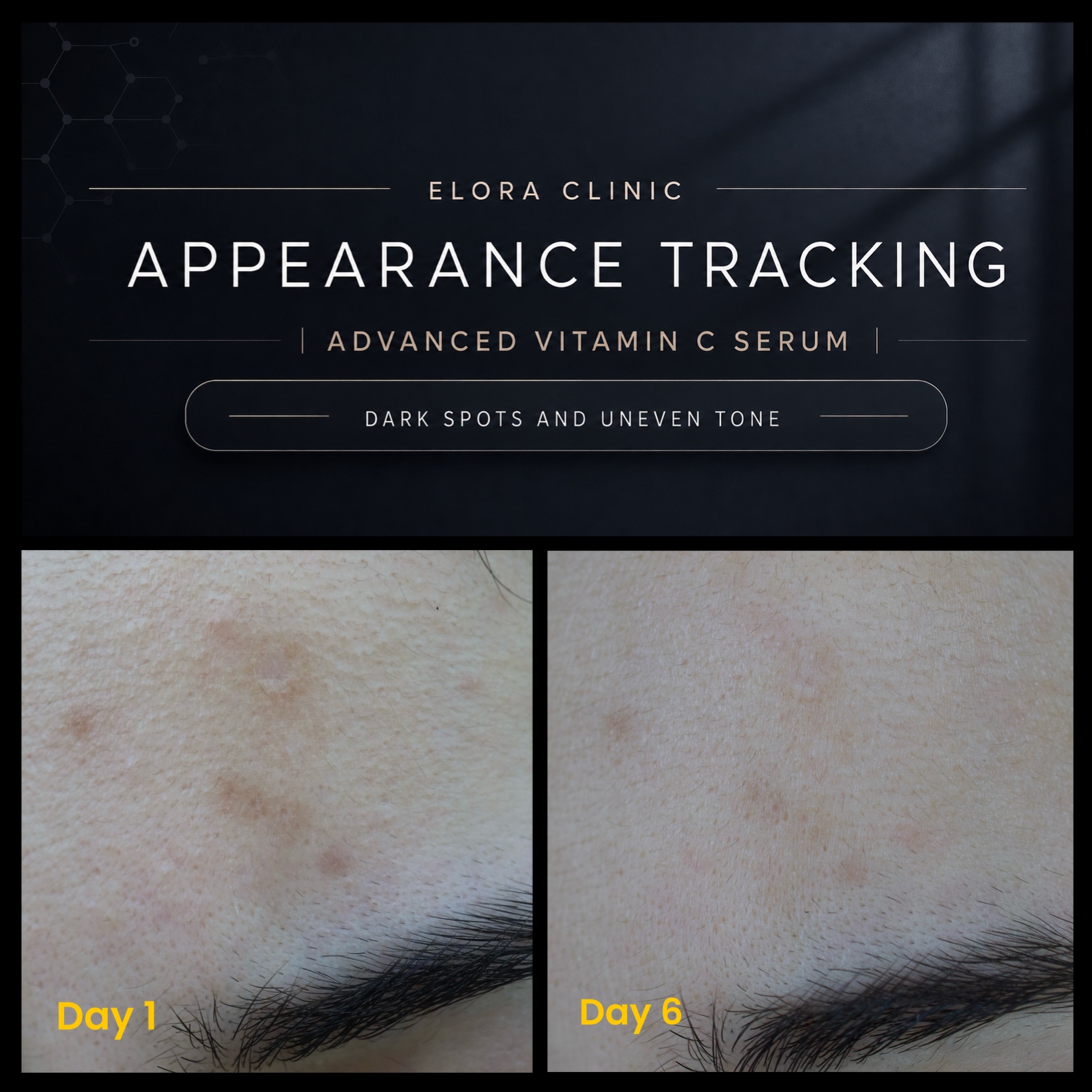
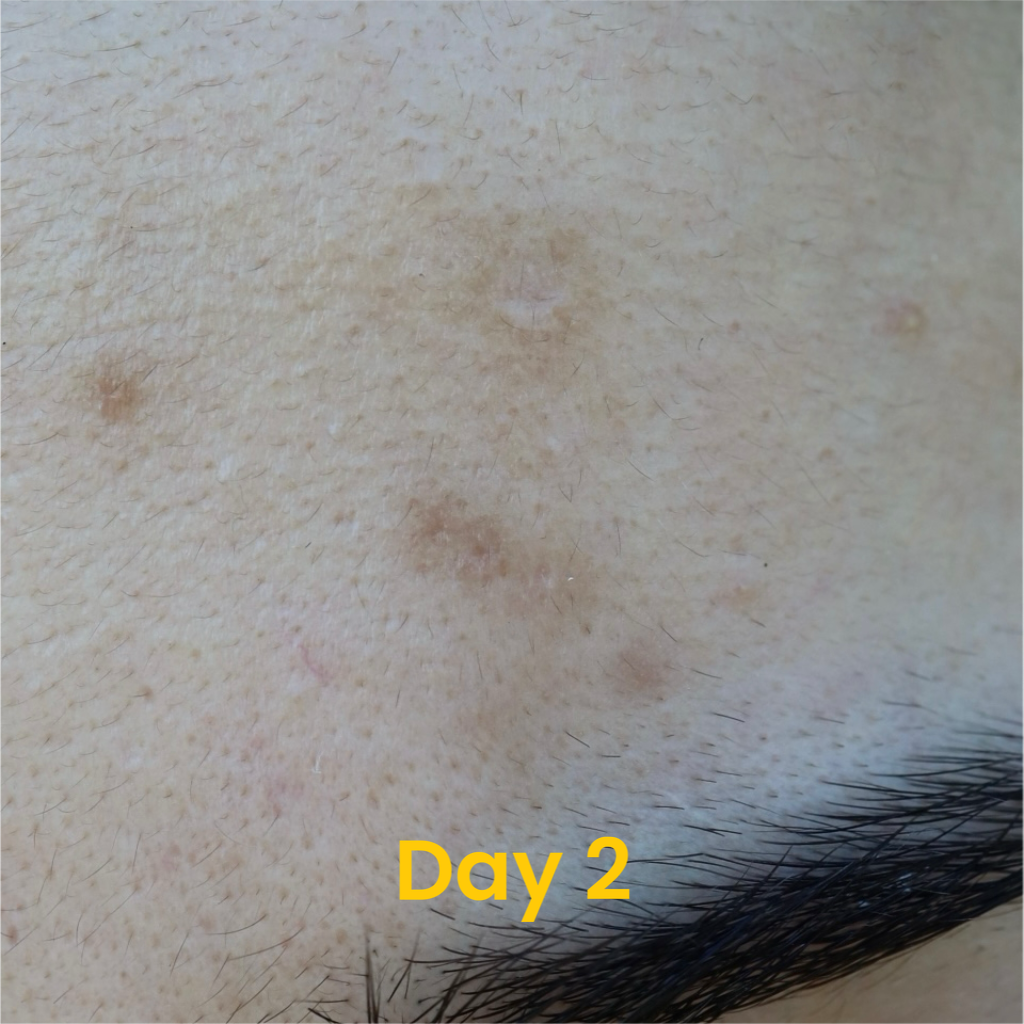
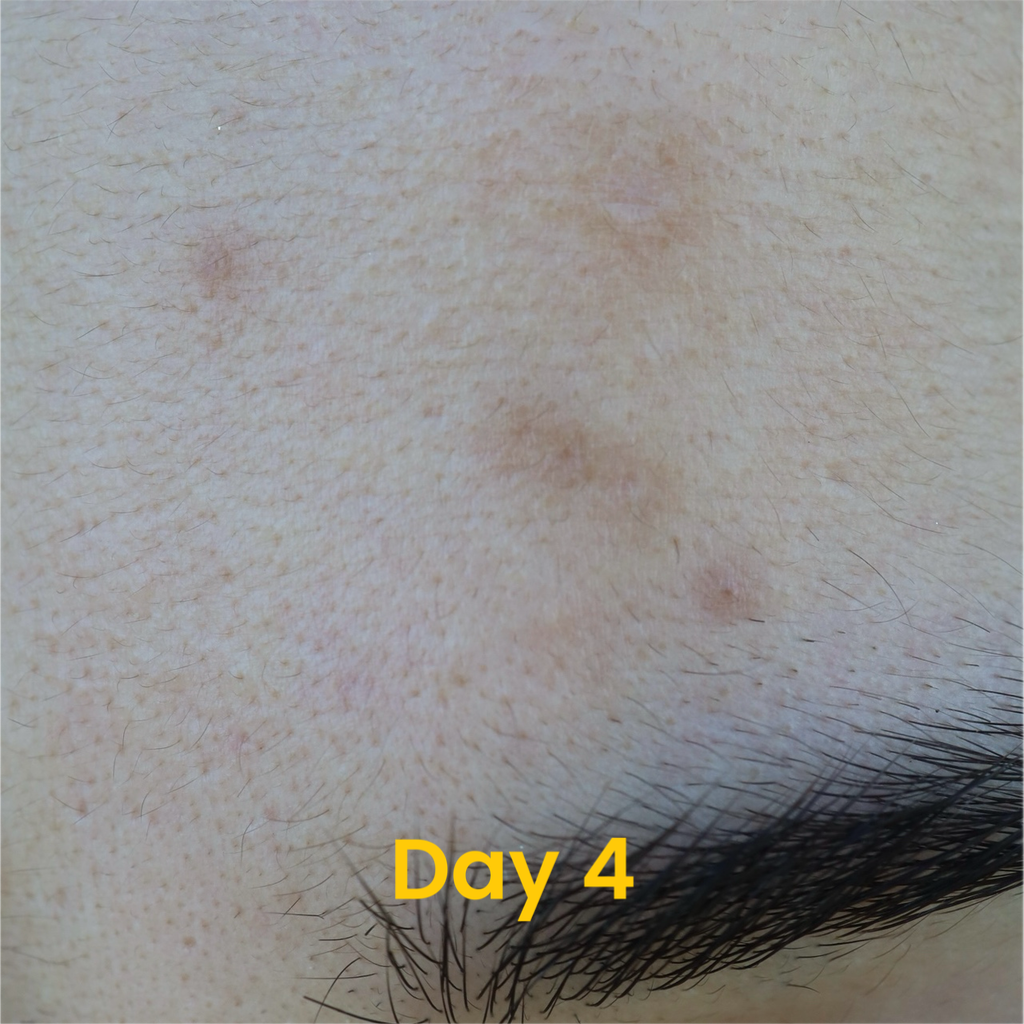
That is also why comparing before-and-after photographs after only a few days is rarely informative.
How Much Glutathione Should You Apply?

More serum does not necessarily create greater biological activity.
Once enough product has been applied to create a thin, even film over the intended treatment area, additional layers mostly increase product load on the skin.
Applying excessive amounts can also:
- increase tackiness
- interfere with sunscreen application
- encourage product pilling
- increase exposure to the entire formulation
- make an otherwise simple routine unnecessarily difficult to tolerate
Follow the specific product directions rather than assuming that doubling the quantity doubles the result.
This principle becomes even more important when several treatment products are being combined.
Can Glutathione Treat Post-Acne Dark Marks?
Post-acne pigmentation is one of the situations in which glutathione is conceptually interesting, but the active acne must also be considered.
Every new inflammatory lesion can create another opportunity for post-inflammatory hyperpigmentation.
A person can therefore successfully fade older marks while simultaneously producing new ones.
That may create the impression that the pigmentation routine is doing nothing.
The more effective strategy is two-directional:
control new inflammatory lesions while gradually treating existing pigmentation.
Readers experiencing this pattern can refer to Elora Clinic’s broader acne scars and hyperpigmentation serum guide.
It is also worth distinguishing true acne scars from post-acne dark marks. Pigmentation can often improve substantially with topical skincare. Depressed or raised structural scars involve changes in dermal architecture and generally require a different treatment strategy.
Why Combining Different Pigmentation Mechanisms Can Be Smarter
The emerging evidence for topical glutathione remains limited: a recent systematic review identified only five qualifying clinical trials and concluded that topical glutathione is promising but requires additional randomized controlled research. (PubMed)
That evidence level is an argument for rational combination therapy—not exaggerated expectations.
A strong pigmentation routine can target different biological stages:
Glutathione: antioxidant/redox support and potential modulation of melanogenesis.
Niacinamide: reduced melanosome transfer from melanocytes toward keratinocytes.
Vitamin C: antioxidant support with additional influence on pigmentation pathways.
Retinoids or controlled exfoliation: epidermal renewal where appropriate.
Barrier-supportive skincare: reduction of avoidable irritation and inflammatory signaling.
Sunscreen: reduction of one of the most powerful external drivers of melanogenesis.
Clinical research on combinations also supports the broader principle that agents working through different pathways may improve pigmentation more effectively than relying on one mechanism alone. Niacinamide, for example, has produced clinical reductions in pigmentation through melanosome-transfer inhibition rather than direct inhibition of melanocyte tyrosinase. (PubMed)
The objective is not to build the longest possible routine.
It is to build the smallest routine capable of addressing the major processes maintaining the pigmentation.
That framework becomes especially important when comparing glutathione with established dark-spot ingredients such as vitamin C, niacinamide, alpha arbutin, azelaic acid, hydroquinone, tranexamic acid, and retinoids—because these ingredients are not interchangeable simply because they are all marketed as “brightening.”

Glutathione vs. Other Ingredients for Dark Spots
One of the most useful ways to evaluate glutathione for dark spots is not to ask whether glutathione is “better” than every other brightening ingredient. Pigmentation treatments work through different mechanisms, and those differences determine where each ingredient fits.
A person with mild post-acne marks, for example, does not necessarily need the same approach as someone with long-standing melasma, deep post-inflammatory pigmentation, or sun-induced lentigines.
The strongest pigmentation routines are therefore built around the biology of the discoloration rather than around a ranking of trendy ingredients.
Glutathione vs. Vitamin C
Glutathione and vitamin C overlap in one important area: both participate in antioxidant defense.
Their chemistry, however, is different.
Vitamin C—particularly L-ascorbic acid—can function as an antioxidant and influence melanogenesis, including through interactions involving tyrosinase-related pigmentation pathways. Glutathione participates extensively in cellular redox regulation while potentially affecting tyrosinase activity and melanin pathway chemistry.
This means they should not automatically be treated as substitutes.
Vitamin C may be particularly attractive for someone who also wants support against photo-oxidative stress and signs associated with photodamage. Glutathione may appeal to someone who wants a water-based antioxidant strategy specifically connected with pigment regulation.
They can also exist within the same broader routine when tolerated.
For a detailed mechanistic comparison, see Elora Clinic’s Vitamin C vs. Glutathione for Skin Brightening.
The key lesson is that the name of the antioxidant is only one variable. Stability, concentration, vehicle, frequency of use, irritation potential, and sunscreen consistency can matter just as much.
Glutathione vs. Niacinamide
Niacinamide offers an especially useful comparison because its pigmentation mechanism differs from the proposed actions of glutathione.
Rather than primarily functioning as a tyrosinase inhibitor, niacinamide has been shown to reduce melanosome transferbetween melanocytes and keratinocytes.
That distinction matters.
Imagine melanogenesis as a factory and distribution network.
Glutathione may influence aspects of what happens inside the pigment-producing factory.
Niacinamide can influence how pigment packages are distributed into surrounding epidermal cells.
Using ingredients that address different stages of pigmentation can therefore be more rational than using several products that attack the same pathway.
Niacinamide also has broader relevance to barrier function and skin tolerance, which can be valuable for people whose pigmentation is worsened by irritation.
However, concentration matters. More niacinamide does not automatically mean more pigment correction, and some people experience flushing, stinging, or irritation from higher-strength formulations.
Someone already using multiple active products should therefore evaluate tolerability before adding another serum simply because its mechanism sounds complementary.

Glutathione vs. Azelaic Acid
Azelaic acid has a considerably stronger history in dermatology than topical glutathione.
It has antimicrobial, anti-inflammatory, keratinization-modulating, and pigmentation-related activity, making it particularly useful when acne and post-inflammatory pigmentation occur together.
Azelaic acid can interfere with tyrosinase and has been studied extensively in disorders such as melasma and acne-associated pigmentation.
A systematic review and meta-analysis examining topical melasma treatments found azelaic acid among several non-hydroquinone therapies demonstrating clinically meaningful efficacy, with a lower irritation rate than some hydroquinone-containing combination therapies. (PubMed)
That does not make glutathione irrelevant.
It means the two ingredients occupy somewhat different positions.
Azelaic acid behaves more like an established treatment active. Glutathione behaves more like an antioxidant and melanogenesis-modulating ingredient whose topical clinical literature is still developing.
For someone with inflammatory acne plus PIH, azelaic acid may therefore have advantages because it can address both the inflammatory condition generating new marks and the pigmentation itself.
For someone primarily seeking antioxidant support for uneven-looking tone, glutathione may fit more naturally.
The broader problem of acne-generated pigmentation is discussed in Elora Clinic’s Post-Inflammatory Hyperpigmentation Serum Guide.
Glutathione vs. Hydroquinone
Hydroquinone requires a completely different level of discussion.
Hydroquinone has decades of clinical use for hyperpigmentation and remains one of the best-studied topical depigmenting agents. It works largely by inhibiting tyrosinase and interfering with melanin synthesis.
Evidence reviews of melasma treatments continue to identify hydroquinone and hydroquinone-containing combination therapy among the most established interventions. (PubMed)
That evidence base is much stronger than the current evidence base for topical glutathione.
So if the question is whether clinical research currently proves that glutathione outperforms hydroquinone, the answer is no.
But that is not the only relevant comparison.
Hydroquinone is a pharmacologically stronger pigmentation treatment that also requires more careful use. Irritation can occur, and inappropriate prolonged use has been associated with complications. A recent review examined the evolving safety literature surrounding hydroquinone and emphasized the importance of considering concentration, duration, and appropriate clinical use. (PubMed)
In the United States, hydroquinone is no longer available as an over-the-counter skin-lightening drug; prescription products remain available.
This makes hydroquinone fundamentally different from a cosmetic antioxidant serum.
Topical glutathione should therefore not be marketed as “natural hydroquinone” or presented as a pharmacologically equivalent replacement. That comparison would overstate the evidence.
A more accurate description is that the two approaches operate at different levels of treatment intensity.
Glutathione vs. Tranexamic Acid
Tranexamic acid has become increasingly important in pigmentation research, particularly for melasma.
Its mechanism differs dramatically from conventional tyrosinase inhibitors. Tranexamic acid inhibits plasminogen activation and appears capable of interrupting signaling associated with UV-induced melanogenesis and inflammatory processes.
A 2026 literature review examining hyperpigmentation disorders reported evidence supporting tranexamic acid across melasma and post-inflammatory hyperpigmentation, while also emphasizing differences among oral, topical, and intradermal administration. (PubMed)
This is a good illustration of why “brightening ingredient” is an inadequate scientific category.
Glutathione, tranexamic acid, niacinamide, vitamin C, azelaic acid, retinoids, and hydroquinone can all influence pigmentation, yet they do not do so through identical pathways.
That opens the possibility of complementary treatment—but it also increases the temptation to use too many actives at once.
Is Glutathione Strong Enough for Severe Hyperpigmentation?
Not necessarily.
This is an important limitation to state clearly.
The latest systematic reviews of topical glutathione describe the evidence as promising but limited. One 2025 review identified only five topical clinical trials and concluded that additional randomized controlled studies are necessary to establish efficacy and safety more confidently. (PubMed)
Therefore, glutathione for dark spots should not be presented as a guaranteed treatment for severe or medically complex hyperpigmentation.
Persistent pigmentation may require dermatologic evaluation, particularly when:
- discoloration is rapidly changing
- pigmentation appeared without an obvious cause
- a lesion has irregular borders or unusual color variation
- the pigmentation is very deep or extensive
- melasma is severe or recurrent
- months of appropriate topical care produce little improvement
- inflammation or acne continues to generate new marks
A dermatologist can distinguish cosmetic hyperpigmentation from conditions that require diagnosis or prescription treatment.
For readers still determining what type of discoloration they have, Elora Clinic’s Hyperpigmentation Treatment and Dark Spots Guide provides a broader framework.
Why Some Dark Spots Fade and Others Barely Move

Two people can use the same serum for the same length of time and experience completely different outcomes.
Even different spots on the same person’s face can respond differently.
Several variables explain this.
Pigment Depth
Superficial epidermal pigmentation generally has greater potential to respond to topical skincare than pigment located deeper within the dermis.
Continued Inflammation
A mark left after acne cannot fully stabilize if new inflammatory acne lesions are appearing next to it every week.
Repeated UV Exposure
Melanocytes respond to ultraviolet radiation. Inconsistent photoprotection can continually stimulate the pathway a brightening routine is attempting to quiet.
Irritation From the Routine
Excessive exfoliation, harsh cleansers, overuse of retinoids, or combining too many actives can generate inflammation.
For people prone to PIH, inflammation can translate into more pigmentation.
Biology of the Pigmentation Disorder
Melasma is not simply a collection of ordinary dark spots. It is a chronic, recurrent pigment disorder involving multiple biological influences, which is one reason recurrence is common even after treatment.
Time
Pigmentation often develops over weeks or months and may require comparable patience to resolve.
This is why Elora Clinic’s guide to why dark spots are not fading emphasizes identifying the mechanism maintaining pigmentation rather than continuously switching products.
Is Glutathione Suitable for Darker Skin Tones?
Glutathione can potentially be used across skin tones, but hyperpigmentation treatment requires particular care in melanin-rich skin.
Darker skin contains highly active melanogenic systems and can be particularly susceptible to post-inflammatory hyperpigmentation.
This creates a paradox:
An aggressive treatment intended to remove pigmentation can irritate the skin enough to produce additional pigmentation.
That makes tolerability part of efficacy.
A treatment that works more slowly without repeatedly inflaming the skin may ultimately produce a better cosmetic outcome than a stronger routine that causes cycles of irritation.
There is also an important distinction between correcting hyperpigmentation in darker skin and attempting to lighten someone’s natural complexion.
The objective of treatment should be reducing unwanted areas of excess pigmentation and restoring a more even appearance—not erasing normal melanin.
Can Glutathione Cause Irritation?
Topical glutathione has generally been reasonably well tolerated in the limited clinical literature, but no cosmetic ingredient is universally irritation-free.
A finished serum contains far more than its headline active.
Preservatives, humectants, solvents, botanical ingredients, fragrances, pH adjusters, and other components can influence tolerability.
This is another reason evaluating a complete formulation matters.
Patch testing is sensible for people with highly reactive skin, especially if they already have a history of developing pigmentation after irritation.
If burning, persistent redness, swelling, or significant itching occurs, continuing simply because the product is supposed to “brighten” the skin is counterproductive.
Pigmentation treatment should not repeatedly injure the tissue it is intended to improve.
Readers trying to accelerate progress without triggering that cycle can consult Elora Clinic’s guide on how to fade dark spots faster without damaging the skin.
What Type of Glutathione Product Makes the Most Sense?
For facial use, a well-designed topical serum offers a fundamentally different risk-benefit proposition from systemic attempts to alter pigmentation.
The current literature supports continued investigation of topical glutathione, while intravenous glutathione for cosmetic skin lightening is not supported by an acceptable evidence and safety profile. A recent systematic review specifically concluded that IV glutathione should not be used for this purpose because of insufficient efficacy and safety concerns. (PubMed)
That distinction matters enormously.
A cosmetic dark-spot routine does not require attempting to alter glutathione levels throughout the entire body.
Topical treatment allows the formulation to be applied directly to the area of interest.
The Elora Clinic Glutathione Face Serum approaches the ingredient as a topical antioxidant treatment in a water-based serum system rather than making systemic skin-lightening claims.

When evaluating glutathione for dark spots, that is ultimately the more scientifically responsible framework: use topical glutathione as one component of a pigmentation strategy, protect the skin from the signals that create new pigment, and judge progress over biologically realistic timeframes rather than expecting rapid bleaching.
The remaining question is how to turn all of this chemistry into a practical routine—and how to know whether glutathione is actually working.
How to Tell Whether Glutathione Is Actually Working
Pigmentation changes slowly enough that day-to-day observation can be misleading.
Lighting, hydration, redness, recent sun exposure, camera settings, and even the contrast created by surrounding skin can make a dark spot appear lighter or darker without representing a meaningful change in melanin.
If you are using glutathione for dark spots, evaluate progress systematically rather than relying on memory.
A practical method is to photograph the same area approximately every four weeks using:
- the same room
- similar natural or artificial lighting
- the same camera
- the same distance from the face
- no beauty filters
- no makeup over the area
Then compare the photographs side by side.
Look for gradual changes in:
Intensity: Is the spot becoming less dark relative to surrounding skin?
Edges: Are sharply defined borders becoming softer?
Uniformity: Is overall tone becoming more even?
New pigmentation: Are fewer new marks appearing?
That last measurement is particularly important.
If old spots are fading while new spots continually develop after acne or irritation, the serum may be helping existing pigmentation while another part of the routine remains unresolved.
A pigmentation routine should therefore be evaluated by both correction and prevention.
Why Your Dark Spots May Look Worse Before You Think Treatment Is Failing
Not every apparent increase in pigmentation means the treatment has biologically darkened the spot.
Several things can change the visual contrast.
Surrounding Skin Becomes Brighter
If the overall complexion becomes more luminous or less dull, an existing dark spot can temporarily appear more obvious by comparison.
The Skin Becomes Dry
Dehydrated or irritated skin changes the way light reflects from its surface. Rough texture can make pigmentation appear less uniform and more noticeable.
Recent Sun Exposure Stimulates Pigmentation
A few unprotected days outdoors can reactivate melanogenic signaling even when a brightening routine has been used consistently.
Inflammation Is Continuing

An active acne lesion, irritated patch, or picked blemish can continue generating post-inflammatory pigmentation.
Elora Clinic discusses these situations in more detail in Why Do Dark Spots Look Darker After Skincare?.
The key is to distinguish temporary changes in appearance from a true pattern of worsening pigmentation.
Common Mistakes When Using Glutathione for Pigmentation
Mistake 1: Expecting a Spot to Disappear in One or Two Weeks
Melanin already deposited within epidermal cells does not simply vanish because a pigment-regulating ingredient was applied.
The melanogenic stimulus must be reduced while existing pigment gradually moves through epidermal turnover.
Expecting overnight results encourages unnecessary product switching.
Mistake 2: Using Too Many Brightening Products Simultaneously
One serum containing glutathione, another containing vitamin C, another containing niacinamide, followed by an exfoliating acid, retinoid, brightening toner, and scrub may sound comprehensive.
It can also become an irritation experiment.
The best routine is not the one with the greatest number of pigment-related ingredients.
It is the one that delivers complementary mechanisms while preserving barrier tolerance.
Mistake 3: Ignoring the Cause of the Pigmentation
If acne is generating new marks, acne management matters.
If UV exposure is driving pigmentation, photoprotection matters.
If inflammation is responsible, irritation control matters.
If the discoloration is melasma, treatment may require a more specialized approach.
This is why the Elora Clinic Pigmentation & Brightening Cluster organizes pigmentation education by mechanism rather than treating every form of discoloration as identical.
Mistake 4: Skipping Sunscreen
This is probably the most consequential mistake.
A serum that influences melanogenesis cannot fully compensate for repeated UV stimulation of melanocytes.
Dark-spot treatment without photoprotection is essentially attempting to reduce pigment production while repeatedly telling the skin to produce more pigment.
Mistake 5: Treating Irritation as Proof That a Product Is Working
Burning, stinging, peeling, or persistent redness are not reliable signs of pigment correction.
For skin prone to PIH, repeated irritation may actually increase the risk of new discoloration.
A Minimal Glutathione Dark-Spot Routine
For many people, the most sustainable routine is surprisingly simple.
Morning
1. Gentle cleanser
Use a cleanser that removes oil, sweat, and residue without leaving the skin persistently tight.
2. Glutathione serum
Apply a thin, even layer to clean skin.
The Elora Clinic Glutathione Face Serum is designed as a water-based antioxidant treatment and can be positioned early in the routine before heavier creams.
3. Moisturizer if needed
Choose according to skin type and climate.
4. Broad-spectrum sunscreen
Apply adequately and reapply when prolonged exposure makes it necessary.
Evening
1. Cleanse
Remove sunscreen, makeup, pollution, and surface debris.
2. Glutathione serum
Apply consistently.
3. One complementary treatment when appropriate
This could be a retinoid, niacinamide product, azelaic acid treatment, or another targeted active depending on the cause of the pigmentation and individual tolerance.
4. Moisturizer
Support barrier function rather than allowing the treatment routine to become progressively irritating.
Readers dealing specifically with inflammatory pigmentation may also benefit from Elora Clinic’s guide to inflammation-induced pigmentation treatment.

AI Summary: Glutathione for Dark Spots
Does glutathione help fade dark spots?
Glutathione may help improve the appearance of dark spots and uneven pigmentation by influencing several processes involved in melanin production. Research suggests that glutathione may affect tyrosinase activity, influence the biochemical pathway through which melanin is formed, and provide antioxidant support that helps reduce oxidative conditions associated with excess pigmentation. However, topical glutathione should not be considered an instant or guaranteed treatment for hyperpigmentation.
How does glutathione work on pigmentation?
Glutathione may influence pigmentation through three primary mechanisms:
- helping regulate oxidative stress within the skin
- potentially reducing tyrosinase-related melanin production
- influencing reactions involved in the formation of different types of melanin
Rather than physically exfoliating existing pigment, glutathione primarily acts on biological processes associated with the formation of new pigment. Existing pigmentation must still gradually resolve through normal epidermal turnover.
How long does glutathione take to fade dark spots?
There is no universal timeline. Clinical studies of topical glutathione have generally evaluated changes over several weeks rather than several days. Visible improvement may depend on the cause and depth of the pigmentation, consistency of use, formulation quality, sun exposure, inflammation, and the rest of the skincare routine.
For persistent pigmentation, progress should generally be assessed over weeks to months rather than expecting immediate changes.
What types of dark spots may respond best?
Topical skincare is generally more likely to improve superficial epidermal pigmentation than pigment located deeper within the dermis. Glutathione may therefore be most relevant for concerns such as uneven-looking skin tone, certain sun-related pigmentation, and post-inflammatory marks left after acne or irritation.
Melasma, deep pigmentation, and resistant discoloration may require a more comprehensive approach or professional dermatologic treatment.
Can glutathione be combined with vitamin C or niacinamide?
Yes, depending on the individual formulations and skin tolerance.
Vitamin C provides antioxidant activity and can influence pigmentation pathways, while niacinamide can reduce melanosome transfer from melanocytes to surrounding keratinocytes. Because these ingredients affect pigmentation through somewhat different mechanisms, they can potentially complement glutathione within a carefully designed routine.
Using more brightening ingredients is not automatically better. Excessive layering that causes irritation may worsen post-inflammatory pigmentation.
What is the most important step when using glutathione for dark spots?
Consistent photoprotection.
Ultraviolet exposure stimulates melanogenesis and can continually encourage the production of new pigment. A glutathione serum or any other pigmentation treatment will have limited ability to produce lasting improvement if the skin continues receiving significant unprotected UV exposure.
For that reason, a dark-spot routine should combine targeted treatment with regular broad-spectrum sunscreen, control of inflammation or acne when relevant, and maintenance of a healthy skin barrier.
Key Takeaway
Glutathione for dark spots is best understood as an antioxidant and pigment-regulating approach rather than a bleaching treatment. Current research supports plausible mechanisms and promising topical results, but the clinical evidence remains smaller than that available for several established hyperpigmentation treatments. Its most rational use is as part of a consistent, non-irritating pigmentation routine that also addresses sun exposure, inflammation, skin-barrier health, and the underlying cause of discoloration.
Frequently Asked Questions About Glutathione for Dark Spots

Does Glutathione Permanently Remove Dark Spots?
No topical ingredient can reasonably guarantee that pigmentation will never return.
Even when a dark spot fades, melanocytes remain capable of producing pigment.
Future UV exposure, acne, hormonal changes, inflammation, or skin injury can stimulate new melanogenesis.
Long-term pigment control therefore depends partly on preventing the original trigger from recurring.
Can Glutathione Remove Old Dark Spots?
It may help improve some older areas of pigmentation, particularly when pigment remains predominantly epidermal, but older and deeper discoloration can be more resistant.
A mark that has remained unchanged for years should not automatically be expected to behave like a superficial post-acne mark that appeared several weeks ago.
Persistent spots may require dermatologic diagnosis or treatment.
Can I Use Glutathione Every Day?
Many topical glutathione formulations are designed for daily use, but the finished product’s instructions and individual skin tolerance should determine frequency.
Introducing one new product at a time also makes it easier to identify the cause if irritation occurs.
Is Glutathione Better in the Morning or at Night?
Either can be appropriate.
Morning application integrates well with an antioxidant-focused daytime routine, while nighttime application may be preferable for someone who wants fewer layers under sunscreen.
Consistency matters more than choosing a theoretically perfect hour.
Does Glutathione Exfoliate the Skin?
No.
Glutathione is not an alpha-hydroxy acid, beta-hydroxy acid, or physical exfoliant.
Its relevance to pigmentation comes primarily from antioxidant biology and potential modulation of melanogenesis rather than removal of surface cells.
Can Glutathione Help Acne Marks?
Potentially, especially when the “acne scars” are actually flat brown post-inflammatory marks rather than structural scars.
However, controlling active acne is equally important because every inflammatory lesion can create another pigmentation event.
Is Glutathione the Best Ingredient for Hyperpigmentation?
There is no single best ingredient for every form of hyperpigmentation.
Hydroquinone, azelaic acid, retinoids, tranexamic acid, vitamin C, niacinamide, glutathione, and other approaches differ considerably in evidence, mechanism, intensity, and tolerability.
Topical glutathione is promising, but the evidence base remains smaller than that of several established pigmentation therapies.
A systematic review of glutathione for skin pigmentation concluded that topical and oral approaches show potential, while emphasizing heterogeneity in existing trials and the need for more robust research. (PubMed)
Should Glutathione Be Used With Sunscreen?
Yes.
If discoloration is the treatment target, photoprotection should be regarded as part of treatment rather than an optional extra.
Ultraviolet radiation is a major regulator of melanogenesis and can undermine improvement from otherwise well-designed pigmentation routines.
The American Academy of Dermatology also recommends sun protection as a central part of managing dark spots and hyperpigmentation, including the use of broad-spectrum sunscreen. (American Academy of Dermatology)
When to See a Dermatologist About a Dark Spot
Most post-inflammatory pigmentation is benign, but not every dark lesion should automatically be treated cosmetically.
Seek professional evaluation for a spot that:
- appears suddenly without an obvious explanation
- changes rapidly
- develops irregular or evolving borders
- contains several unusual colors
- bleeds or repeatedly crusts
- becomes symptomatic
- looks distinctly different from surrounding marks
- does not behave like ordinary pigmentation
- persists despite an appropriate skincare routine
A dermatologist can also provide treatment options for severe melasma, resistant PIH, deeper dermal pigment, or pigmentation that requires prescription therapy or procedures.
Skincare education should help users make better decisions—not encourage them to self-diagnose every changing lesion as harmless hyperpigmentation.
The Bottom Line on Glutathione for Dark Spots

The scientific case for glutathione for dark spots is credible but should remain grounded in the actual strength of the evidence.
Glutathione is a naturally occurring tripeptide deeply involved in cellular antioxidant systems. Its relevance to pigmentation extends beyond general antioxidant activity: research suggests it may influence tyrosinase-associated melanogenesis, participate in reactions that affect melanin pathway chemistry, and modify oxidative conditions associated with pigment production.
Human studies of topical glutathione have reported measurable reductions in pigmentation, but the clinical literature remains relatively small. Glutathione should therefore not be promoted as an instant bleaching agent, a guaranteed cure for hyperpigmentation, or a replacement for medically established therapy when significant pigment disorders require dermatologic care.
Its most rational role is within a complete pigmentation strategy.
That means using an appropriately formulated topical product, minimizing unnecessary inflammation, controlling acne or other triggers when relevant, maintaining the skin barrier, combining actives intelligently rather than aggressively, and protecting the skin from the ultraviolet exposure that continually stimulates melanogenesis.
For readers who want to explore the science of glutathione beyond pigmentation, Elora Clinic’s Glutathione Serum Benefits Guide examines its broader antioxidant role. For a complete framework covering different forms of discoloration, causes, treatment strategies, and prevention, continue to the Hyperpigmentation Treatment and Dark Spots Guide.
The goal of effective pigmentation care is not to erase the skin’s natural melanin.
It is to understand why excess pigment is being produced, interrupt that process without unnecessarily damaging the skin, and give normal skin biology enough time to restore a more even appearance.