
















Dehydration Pores vs Enlarged Pores: How to Tell the Difference (And Fix Them Without Clogging Skin)

Large pores are one of the most misunderstood skin concerns—especially in the USA, where over-cleansing, climate stress, and active overuse are common. What most people call “large pores” are often two completely different conditions:
• True enlarged pores (oil-driven)
• Dehydration pores (water-deficient skin mimicking oiliness)
Treating the wrong one doesn’t just fail—it often makes pores look worse.
This expert guide will help you:
• Identify whether your pores are dehydrated or enlarged
• Understand why oily skin can still be dehydrated
• Choose correct serums without clogging pores
• Build a routine that actually improves pore appearance long-term
This article belongs to Cluster 5: Acne, Pores & Oily Skin and connects directly to clinically relevant solutions.
Why “Large Pores” Is Not a Diagnosis
Pores don’t randomly enlarge. Their appearance changes based on:
• Sebum output
• Skin elasticity
• Inflammation
• Hydration status of the surrounding skin
When hydration is low, skin collapses around pores—making them appear larger, deeper, and uneven, even if oil production is normal.
This is why many people with “oily” skin:
• Feel tight after cleansing
• Break out when using heavy creams
• Still see pores look worse over time
Dehydration Pores vs Enlarged Pores: The Core Difference
Dehydration Pores (Water Deficiency)
What’s happening
• Skin lacks water, not oil
• Corneocytes shrink
• Pore edges lose structural support
How they look
• Sharp, stretched, uneven pores
• Worse after cleansing
• Improve temporarily after hydration
• Often paired with tightness or dullness
Common causes
• Foaming cleansers
• Over-exfoliation
• Dry or humid climate imbalance
• Skipping hydration because skin is “oily”
Enlarged Pores (Oil-Driven)
What’s happening
• Excess sebum stretches follicle walls
• Oxidized oil + debris keep pores open
• Loss of elasticity over time
How they look
• Round, uniform pores
• Mostly in T-zone
• Worse by end of day
• Shine returns quickly after washing
Common causes
• Genetics
• Hormonal oil overproduction
• Inappropriate occlusives
• Lack of oil-regulating actives
The 30-Second At-Home Test (Dermatology-Approved Logic)
After cleansing, do nothing for 30 minutes.
• If skin feels tight but pores look worse → Dehydration pores
• If skin becomes shiny and pores fill with oil → Enlarged pores
• If both happen → Combination (most common in the USA)
This distinction determines which serum will help—or hurt.
Why Dehydration Pores Are Common in Oily & Acne-Prone Skin
This is where most routines fail.
Many acne routines focus only on oil reduction:
• Niacinamide overload
• Mattifying toners
• Drying treatments
Without replacing water, skin compensates by:
• Producing more oil
• Weakening barrier function
• Worsening inflammation around pores
This is why hydration—not oil—is often the missing step.
The Right Ingredients for Dehydration Pores (Oil-Free Only)
Hydration must be water-based, lightweight, and non-occlusive.
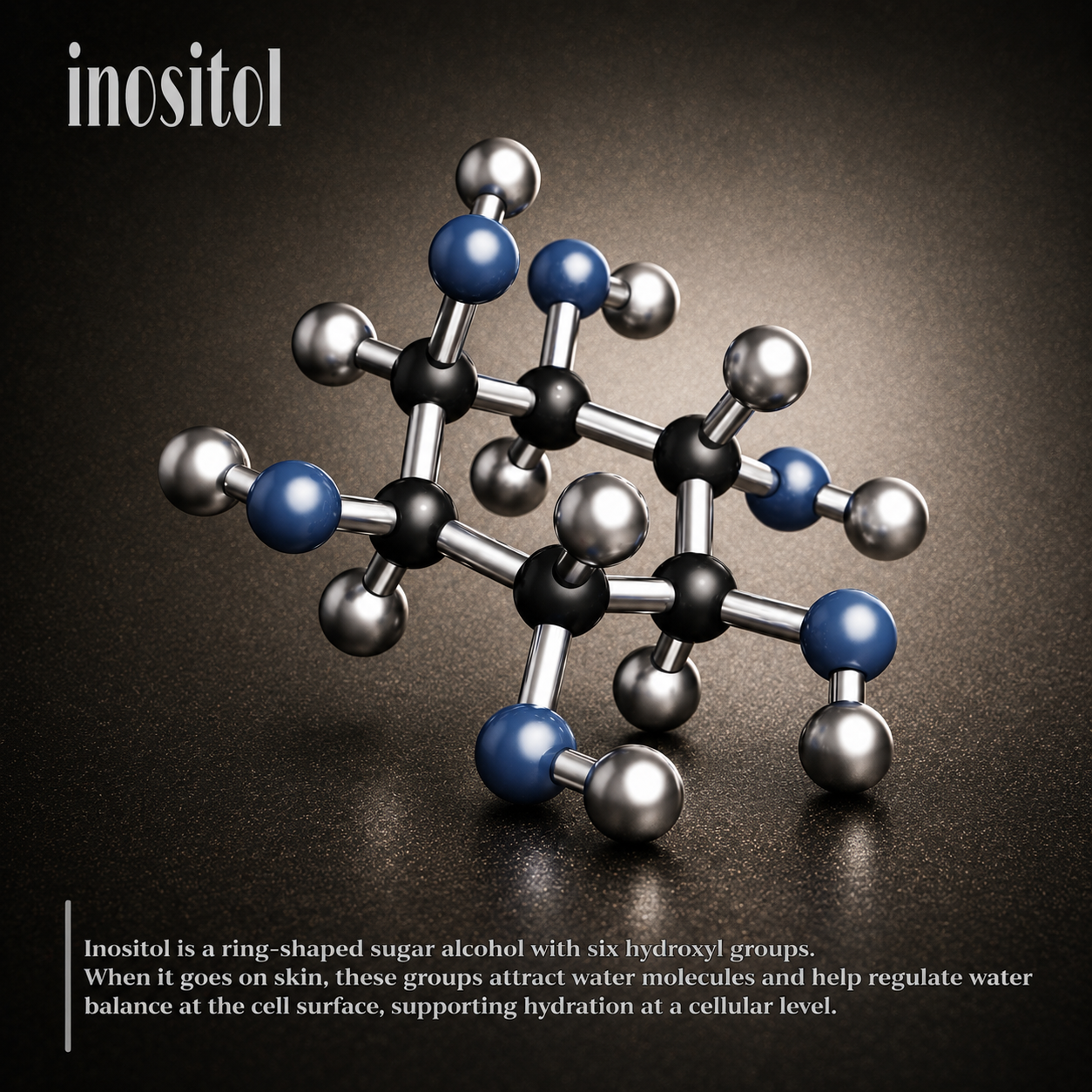
1. Inositol (Barrier-Balancing Hydration)
Supports water retention without feeding oil.
Best for
• Dehydration pores
• Acne-prone skin
• Oil imbalance from over-cleansing
👉 Product:
Inositol + Hyaluronic Acid Serum
https://eloraclinic.com/product/inositol/
Available at Walmart:
https://www.walmart.com/ip/Elora-Clinic-White-Rice-Serum-Inositol-Hyaluronic-Acid-Hydrating-Antioxidant-Inositol-White-rice-Serum-Oil-Free-Water-Based/3812314918

2. Hyaluronic Acid (Water Attraction Without Weight)
Plumps the skin around pores, reducing their visual depth.
👉 Learn more:
https://eloraclinic.com/hyaluronic-acid-serum-benefits/
3. Aloe Vera (Inflammation + Water Balance)
Ideal when dehydration pores are paired with redness or sensitivity.
👉 Product:
https://eloraclinic.com/product/aloevera/
Available at Walmart:
https://www.walmart.com/ip/Elora-Clinic-Aloe-Vera-and-Hyaluronic-Acid-Serum-Soothing-Hydrtaing-Deeply-Hydrating-Aloe-Vera-Hyaluronic-Acid-Serum-Oil-Free-Water-Based/1003476772
The Right Ingredients for Enlarged Pores (Oil Regulation)
Once hydration is restored, oil-control actives become effective.
Niacinamide (High-Strength, Used Correctly)
Niacinamide helps regulate sebum only when skin is hydrated first.
👉 Product:
https://eloraclinic.com/product/niacinamide-20-serum/
Available at Walmart:
https://www.walmart.com/ip/Elora-Clinic-20-Niacinamide-Serum-Niacinamide-20-Hyaluronic-Acid-Hydrating-Hyaluronic-acid-20-Niacinamide-Serum-Oil-Free-Water-Based/1342878577
⚠️ Applying high-percentage niacinamide to dehydrated skin can worsen pore appearance temporarily.
The Correct Order (Most People Get This Wrong)
Morning (USA-Climate Friendly)
- Gentle cleanser
- Hydration serum (inositol / aloe)
- Niacinamide (if needed)
- Sunscreen
Night
- Cleanser
- Hydration serum
- Targeted oil-control serum
- Light barrier support if needed
This order aligns with:
https://eloraclinic.com/serum-routine-order-morning-night-usa/
When Pores Improve (Realistic Timeline)
• Dehydration pores: 7–14 days
• Enlarged pores: 4–8 weeks
• Mixed type: hydration first, oil control second
Consistency matters more than product count.
Internal Links (Cluster 5)
• Pillar page:
https://eloraclinic.com/best-serum-for-large-pores-oily-skin/
• Supporting pages:
https://eloraclinic.com/inositol-serum-for-acne-oily-skin/
https://eloraclinic.com/niacinamide-20-percent-serum-benefits/
https://eloraclinic.com/inositol-vs-niacinamide-oily-acne-skin/
Final Takeaway
If pores look worse despite “oil-control” routines, the issue is often dehydration, not oil.
Correct identification:
• Prevents over-treatment
• Reduces breakouts
• Improves pore appearance naturally
The solution isn’t harsher products—it’s smarter hydration.