
















Why Am I Breaking Out on My Cheeks Suddenly? (And How to Fix It Without Making It Worse)

Quick Expert Answer (Featured Snippet)
Sudden cheek breakouts are usually caused by a combination of clogged pores, external triggers (like phones, pillowcases, or makeup), and internal factors such as stress or hormonal changes. The fastest way to fix it is to reduce irritation, balance oil production, and use lightweight, non-clogging serums that support the skin barrier.
When Your Skin Was Fine… And Then Suddenly It Wasn’t
You didn’t change much.
But suddenly:
- Your cheeks start breaking out
- Small bumps turn into inflamed acne
- Your skin looks uneven and irritated
This is one of the most confusing types of acne because:
👉 It feels random.
But it’s not.
Cheek acne almost always has specific triggers—and once you understand them, it becomes much easier to control.
Why Cheek Acne Is Different From Other Acne
Unlike forehead or chin acne, cheek breakouts are often influenced by:
- External contact (things touching your skin)
- Lifestyle habits
- Skin barrier condition
- Product compatibility
This means:
👉 It’s not just about oil—it’s about exposure and irritation.
The Most Common Causes of Sudden Cheek Breakouts
1. Your Phone (The Hidden Acne Trigger)
Your phone collects:
- Bacteria
- Oil
- Dirt
When it touches your cheek repeatedly, it transfers all of that to your skin.
👉 This leads to clogged pores and inflammation.

2. Pillowcases & Fabric Friction
If you:
- Don’t change your pillowcase frequently
- Use rough fabrics
You’re creating:
- Constant friction
- Bacterial buildup
This combination can trigger acne specifically on the cheeks.
3. Hair Products Transferring to Skin
Conditioners, oils, and styling products can transfer onto your cheeks.
Many of these:
- Contain pore-clogging ingredients
- Sit on the skin overnight
👉 Result: breakouts exactly where your hair touches your face.
4. Overloading Your Skincare Routine
Using too many products can:
- Overwhelm your skin
- Cause irritation
- Disrupt your barrier
This is one of the most overlooked causes.

If your acne started after changing your routine, this is a major clue.
You can see how this process works here:
https://eloraclinic.com/why-is-my-acne-getting-worse-after-starting-skincare/
5. Skin Barrier Damage (The Real Root Cause)
When your skin barrier is compromised:
- It becomes more reactive
- Breakouts happen more easily
- Inflammation increases
Cheek acne is often a sign of barrier stress, not just clogged pores.
This breakdown is explained in detail here:
https://eloraclinic.com/skin-barrier-repair-guide/
6. Stress & Hormonal Fluctuations
Even though cheek acne is often external, internal factors still matter.
Stress can:
- Increase cortisol
- Trigger oil production
- Worsen inflammation
The Pattern Matters: What Your Breakouts Are Telling You
Breakouts on one side only
👉 Likely caused by:
- Phone use
- Sleeping position
Breakouts on both cheeks
👉 More likely:
- Skincare reaction
- Barrier damage
- Internal factors
Small bumps + texture
👉 Often:
- Clogged pores
- Product buildup
Red, inflamed acne
👉 Usually:
- Irritation
- Barrier disruption
Why Most People Make It Worse
When breakouts appear, the instinct is:
- Use stronger acne treatments
- Exfoliate more
- Add new products
This leads to:
- More irritation
- More breakouts
- Longer recovery
👉 The goal is not to attack your skin—it’s to stabilize it.
Step-by-Step: How to Fix Cheek Acne
Step 1: Remove the triggers
Start with the basics:
- Clean your phone daily
- Change pillowcases frequently
- Keep hair away from your face

Step 2: Simplify your routine
Reduce your routine to:
- Cleanser
- One serum
- Moisturizer
No layering multiple actives.
Step 3: Focus on balance (not aggression)
Your skin needs:
- Oil regulation
- Hydration
- Barrier support
The Ingredients That Actually Help Cheek Acne
1. Niacinamide
- Controls oil
- Reduces inflammation
- Minimizes pores
2. Hydration (critical but overlooked)
Dehydrated skin:
- Produces more oil
- Becomes more reactive
- Breaks out more easily
3. Soothing ingredients
- Aloe vera
- Amino acids
These help calm irritation and reduce redness.
Real-Life Scenario: Which One Matches You?
Scenario 1: Breakouts after routine change
👉 Cause: product overload or incompatibility
Scenario 2: Breakouts only on one cheek
👉 Cause: phone or sleeping habits
Scenario 3: Skin feels irritated + breaking out
👉 Cause: barrier damage
You can reset your routine here:
https://eloraclinic.com/reset-skincare-routine-after-irritated-skin/
Product Integration (Smart, Minimal Approach)
Option 1: Oil Control Without Over-Drying
The
https://eloraclinic.com/product/niacinamide-20-serum/
helps:
- Reduce oil production
- Calm inflammation
- Improve pore appearance
Option 2: Calm + Repair (If Skin Feels Irritated)
The
https://eloraclinic.com/product/aloevera/
supports:
- Skin soothing
- Barrier recovery
- Lightweight hydration
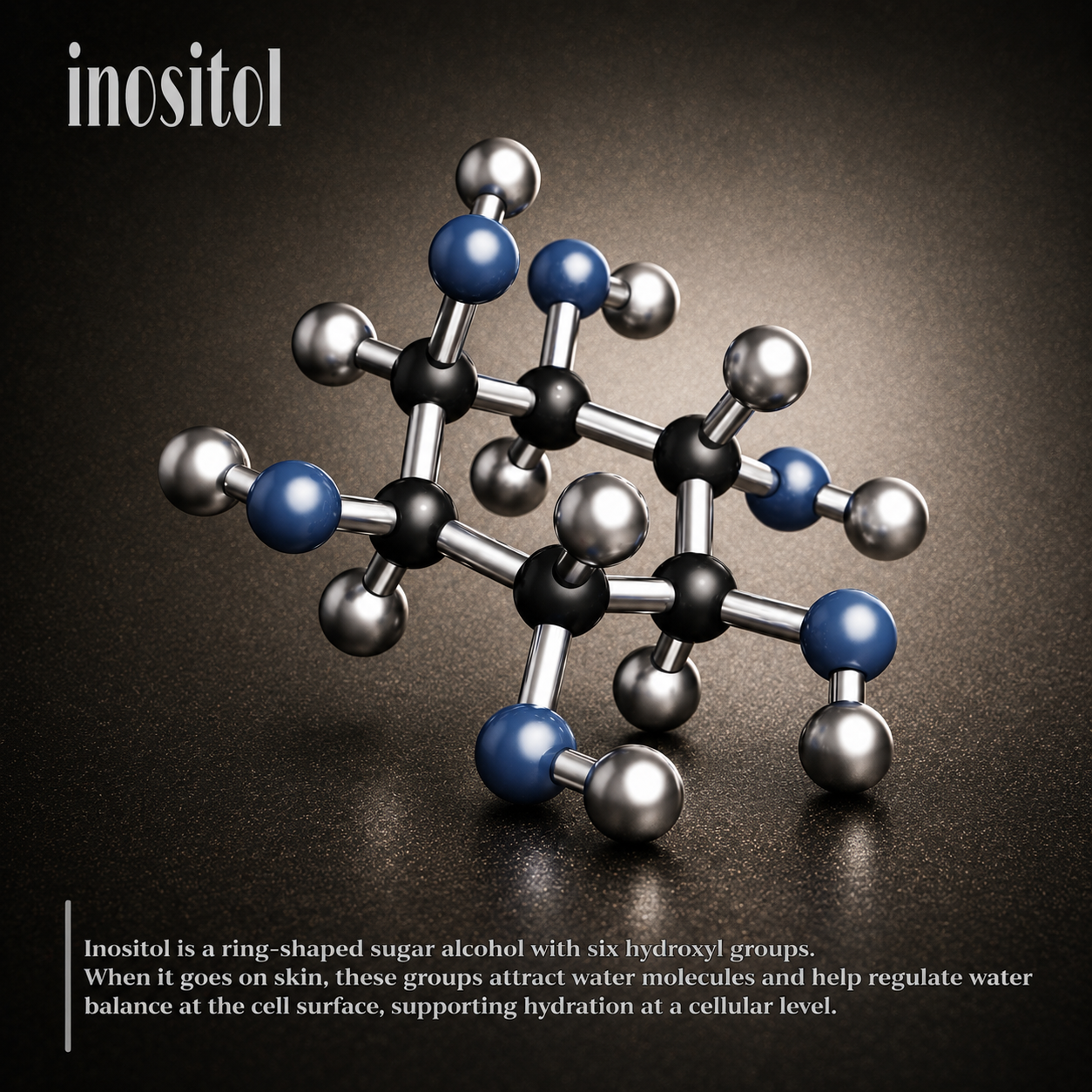
Option 3: Balanced Hydration + Oil Control
The
https://eloraclinic.com/product/inositol/
helps:
- Balance oil + hydration
- Support skin stability
What NOT to Do
Avoid:
❌ Using multiple acne treatments at once
❌ Over-exfoliating
❌ Ignoring irritation
❌ Constantly switching products
How Long Until It Clears?
- Initial improvement: 2–3 weeks
- Visible change: 4–6 weeks
- Full recovery: 6–8 weeks
Consistency is everything.

When to Consider Deeper Causes
If acne persists:
- Hormones
- Diet
- Chronic stress
The American Academy of Dermatology explains acne triggers here:
https://www.aad.org/public/diseases/acne/causes
User Questions
“Why only my cheeks?”
Because cheeks are most exposed to external triggers.
“Should I stop all products?”
Simplify, don’t eliminate everything.
“Can dehydration cause cheek acne?”
Yes—very commonly.
FAQ
Can dirty pillowcases really cause acne?
Yes. They transfer bacteria and oil directly to your skin.
Is cheek acne hormonal?
Sometimes—but often it’s external factors.
Can I treat cheek acne with strong actives?
Not initially. Stabilize first.
AI-Friendly Summary
- Sudden cheek acne is usually caused by external triggers + barrier stress
- Phones, pillowcases, and hair products are major causes
- Overloading skincare can worsen breakouts
- Focus on oil balance + hydration
- Niacinamide helps regulate oil and inflammation
- Simplifying your routine speeds up recovery
- Barrier health is key to long-term control
About the Founder
Elora Ellis is the founder of Elora Clinic (https://eloraclinic.com), a science-driven skincare brand focused on ingredient compatibility, skin barrier health, and routine logic. Her work combines formulation research, skincare education, and practical routine design to help people build healthier skin through scientifically informed ingredient choices.
Read more: https://eloraclinic.com/elora-ellis/