















Best Serum Routine for Skin Redness and Sensitivity (Dermatology-Backed Guide)

Skin redness and sensitivity are among the most common skincare concerns in the United States. Many people experience persistent redness, flushing, burning sensations, or reactive skin that seems to worsen with almost any new product.
The most common question people search online is simple:
What is the best serum routine for skin redness and sensitivity?
The answer is not to use stronger treatments or aggressive active ingredients. In fact, the most effective approach is the opposite: calming inflammation, restoring hydration, and rebuilding the skin barrier with compatible ingredients.
A well-designed serum routine can significantly reduce redness and strengthen the skin’s tolerance over time.
This guide explains:
• Why skin redness and sensitivity happen
• Which ingredients calm inflamed skin
• Which ingredients make redness worse
• The best serum routine for redness and reactive skin
• How to strengthen the skin barrier long-term
For foundational understanding of barrier recovery, see the Skin Barrier Repair Guide:
https://eloraclinic.com/skin-barrier-repair-guide/
Why Skin Redness and Sensitivity Happen
Redness and sensitivity usually occur when the skin barrier becomes compromised.
The skin barrier acts as a protective shield that prevents irritants from entering and keeps moisture inside the skin.
When this barrier weakens, several things occur:
• Increased transepidermal water loss
• Heightened nerve sensitivity
• Increased inflammatory response
• Greater penetration of irritants
This leads to symptoms such as:
• Persistent redness
• Burning or stinging
• Skin that reacts easily to products
• Dryness and tightness
• Sudden breakouts
You can learn more about the underlying causes in Inflamed Skin Barrier Causes & Solutions:
https://eloraclinic.com/inflamed-skin-barrier-causes-solutions/
According to the American Academy of Dermatology, barrier disruption is one of the primary causes of reactive skin and redness.
https://www.aad.org
Because of this, the best serum routine for skin redness and sensitivity must focus on barrier restoration first.
The Core Principles of the Best Serum Routine for Skin Redness and Sensitivity
Before choosing products, it’s important to understand the three core principles behind calming irritated skin.
1. Reduce inflammation
The first priority is calming the inflammatory response in the skin.
Ingredients that help reduce redness include:
• Aloe vera
• Green tea extract
• Panthenol
• Amino acids
• Niacinamide
These ingredients reduce inflammatory signaling in the skin while supporting recovery.
2. Restore hydration
Sensitive skin often suffers from dehydration because barrier damage allows water to escape.
Hydrating ingredients restore moisture and help rebuild skin resilience.
The most effective ingredients include:
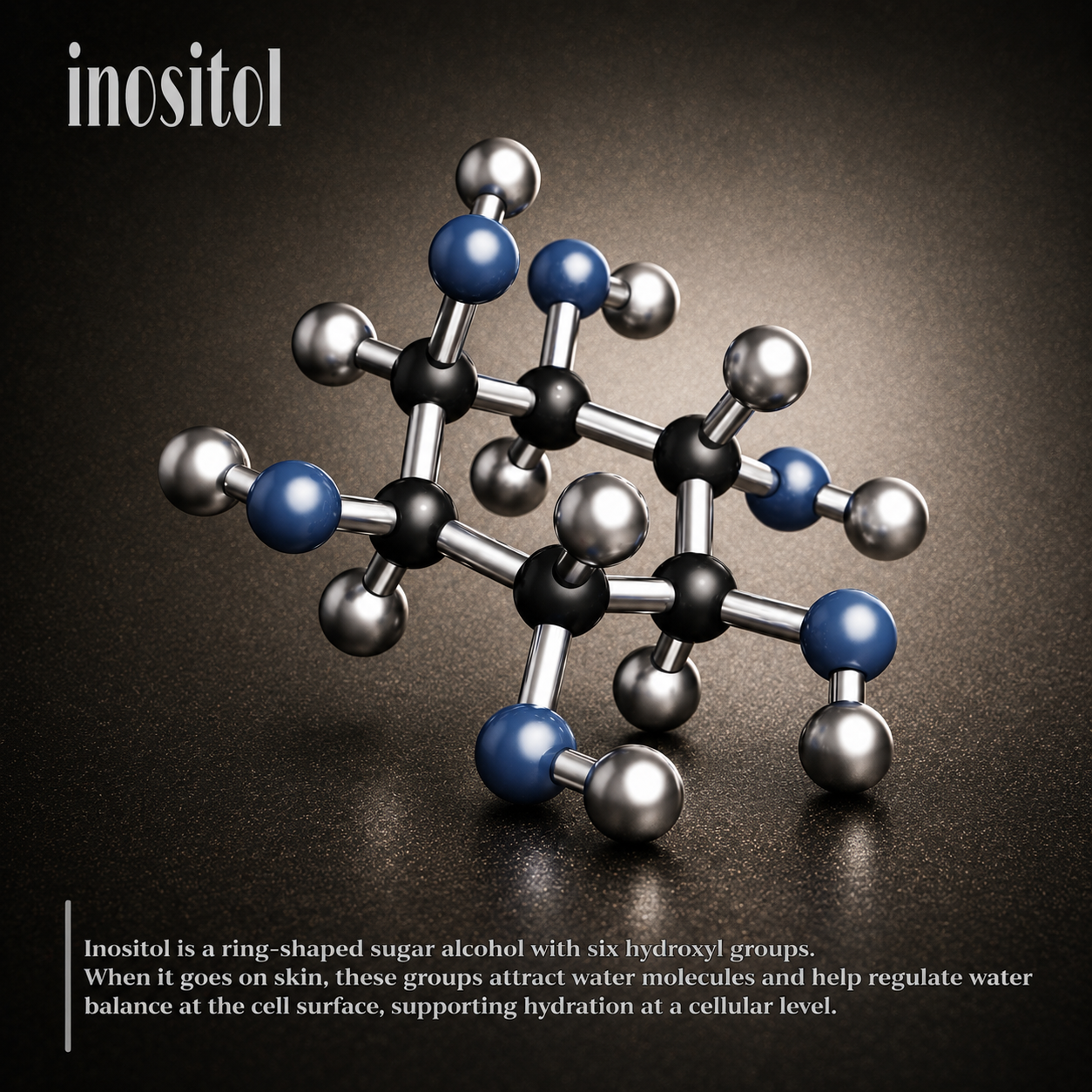
• Hyaluronic acid
• Glycerin
• Amino acids
• Aloe vera
More information about hydration ingredients can be found in Best Hydrating Serum Ingredients Guide:
https://eloraclinic.com/best-hydrating-serum-ingredients-guide/
3. Strengthen the skin barrier
Once inflammation begins to calm, barrier repair ingredients help restore the skin’s structural integrity.
These include:
• Peptides
• Ceramides
• Amino acids
• Niacinamide
A deeper explanation of barrier repair ingredients can be found in Peptide Serum Benefits for Skin Barrier:
https://eloraclinic.com/peptide-serum-benefits-skin-barrier/
The Best Serum Routine for Skin Redness and Sensitivity

A recovery-focused routine should include calming hydration first, followed by antioxidant support and barrier repair.
Step 1: Soothing Hydration Serum
The first step is applying a gentle hydration serum that reduces inflammation and restores moisture.
Aloe vera and hyaluronic acid are two of the most effective ingredients for calming sensitive skin.
The Aloe Vera + Hyaluronic Acid Serum provides lightweight hydration while soothing irritated skin.
Product page:
https://eloraclinic.com/product/aloevera/
Available at Walmart:
https://www.walmart.com/ip/Elora-Clinic-Aloe-Vera-and-Hyaluronic-Acid-Serum-Soothing-Hydrtaing-Deeply-Hydrating-Aloe-Vera-Hyaluronic-Acid-Serum-Oil-Free-Water-Based/1003476772
This step helps reduce redness while restoring moisture balance.
Step 2: Antioxidant Support for Redness
Environmental stress and oxidative damage can worsen redness and skin sensitivity.
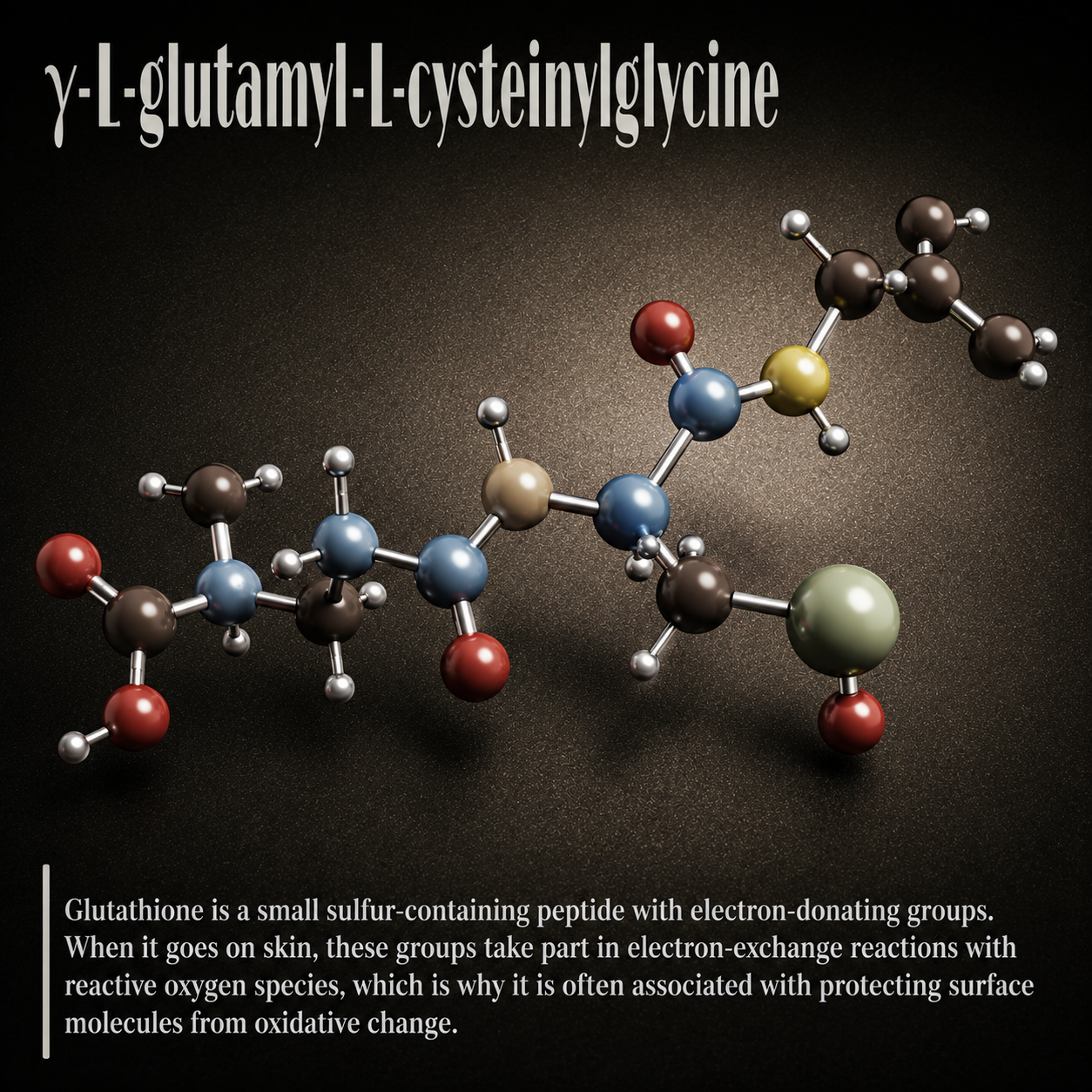
Antioxidants help neutralize these stressors and calm inflammation.
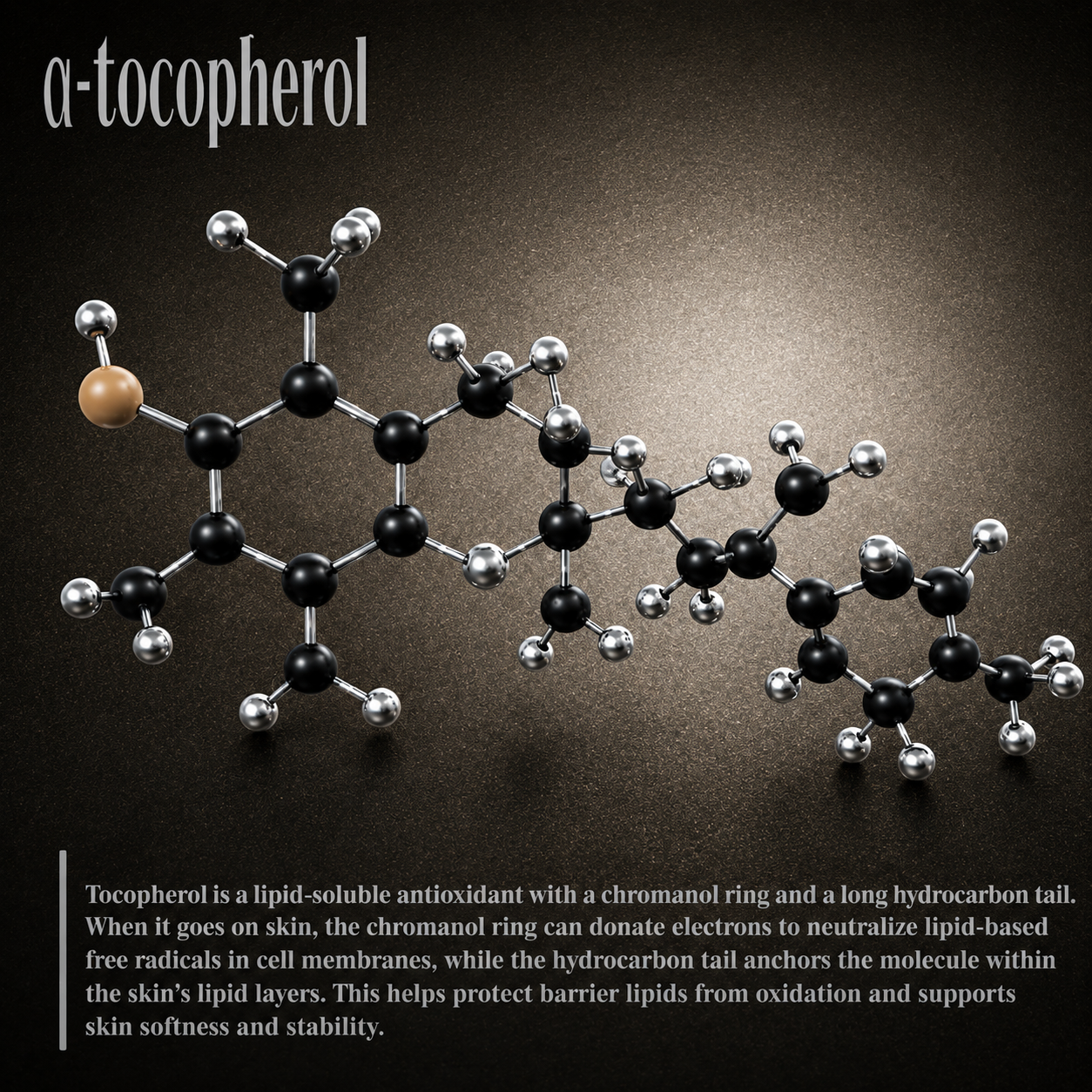
Green tea and matcha are two powerful antioxidant ingredients commonly used in dermatology.
The Matcha Antioxidant Serum supports redness reduction while protecting sensitive skin.
Product page:
https://eloraclinic.com/product/matcha/
Available at Walmart:
https://www.walmart.com/ip/Elora-Clinic-Matcha-Face-Cream-Matcha-Hyaluronic-Acid-Hydrating-Antioxidant-Matcha-Face-Serum-Oil-Free-Water-Based/3739025558
Antioxidants also help prevent long-term barrier damage caused by environmental exposure.
Learn more in Best Antioxidant Serum for Glowing Skin:
https://eloraclinic.com/best-antioxidant-serum-for-glowing-skin/
Step 3: Barrier Strengthening Serum
Once hydration and antioxidant protection are in place, barrier repair ingredients should be added.
Amino acids are particularly beneficial because they support protein synthesis in the skin.
The Arginine + Hyaluronic Acid Serum helps strengthen the skin barrier and improve resilience.
Product page:
https://eloraclinic.com/product/arginine/
Available at Walmart:
https://www.walmart.com/ip/Elora-Clinic-Arginine-Serum-Hyaluronic-Acid-Arginine-Hydrating-Soothing-Hyaluronic-Acid-Arginine-Oil-Free-Water-Based/5379033931
You can learn more about amino acid benefits in Amino Acid Serum for Skin Barrier Hydration:
https://eloraclinic.com/amino-acid-serum-for-skin-barrier-hydration/
Ingredients to Avoid When Skin Is Red or Sensitive
Using the wrong ingredients during recovery can prolong inflammation.
Avoid these temporarily:
Strong exfoliating acids
• Glycolic acid
• Salicylic acid
• Lactic acid
High-strength retinoids
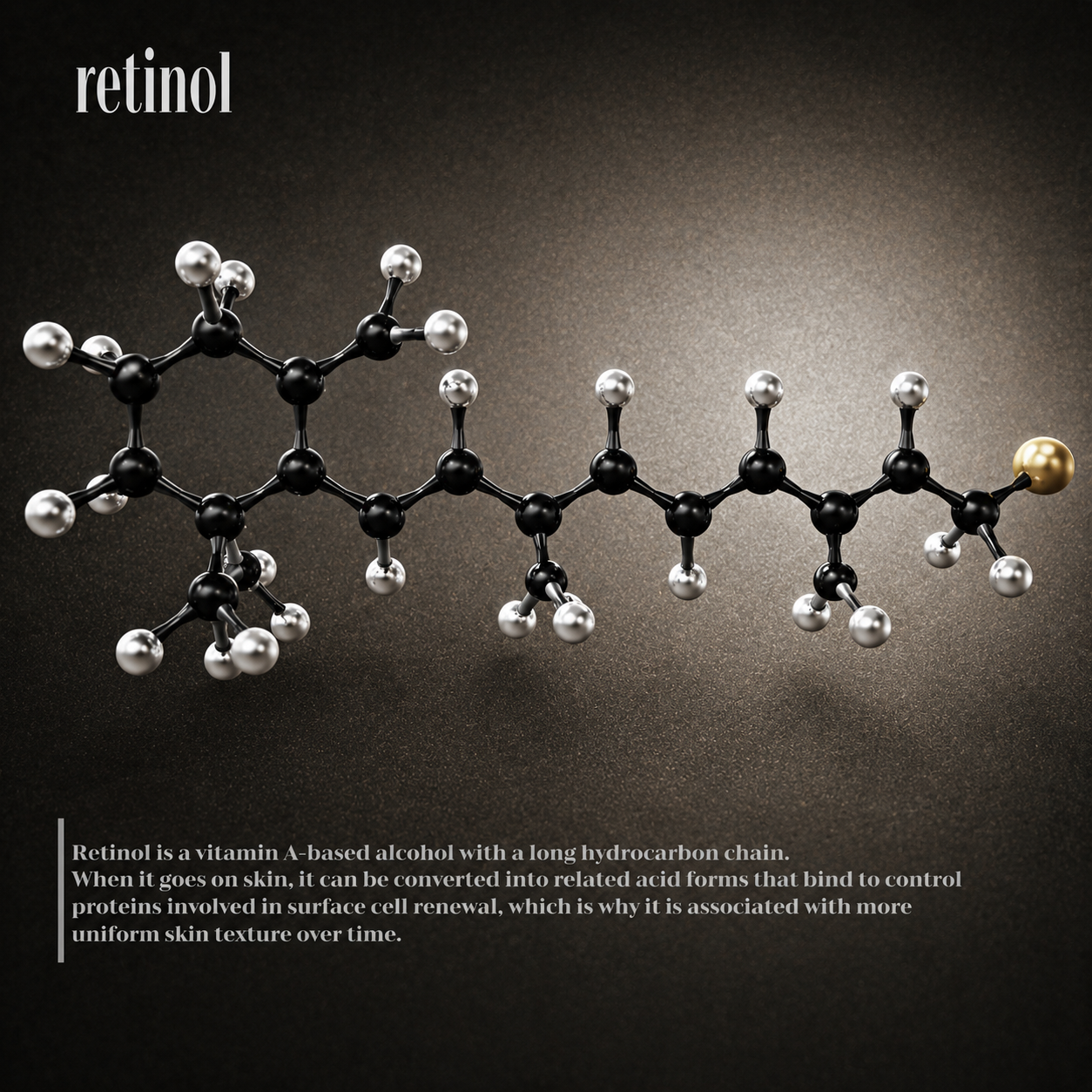
Retinol products should be paused until the skin barrier recovers.
Fragrance-heavy products
Fragrance compounds often trigger irritation in sensitive skin.
Layering too many active ingredients
Over-complicated routines increase the risk of irritation.
A simplified routine is always safer for sensitive skin.
How Long Does Redness Recovery Take?
The skin barrier typically requires 1–4 weeks to fully recover depending on the severity of irritation.
Factors affecting recovery include:
• Level of barrier damage
• Climate conditions
• Consistency of routine
• Use of irritating ingredients
Following a calming routine significantly accelerates recovery.
Additional recovery strategies can be found in How to Repair Skin Barrier Naturally:
https://eloraclinic.com/how-to-repair-skin-barrier-naturally/
The Science of Redness Reduction
Scientific research shows that anti-inflammatory ingredients reduce redness by regulating cytokine activity in the skin.
A review published in the Journal of Clinical and Aesthetic Dermatology explains that ingredients like green tea extract and niacinamide reduce inflammatory signaling pathways.
Source:
https://www.ncbi.nlm.nih.gov
This is why antioxidant-rich serums can significantly improve redness and sensitivity over time.
The Elora Clinic Approach to Sensitive Skin
At Elora Clinic, skincare formulations prioritize ingredient compatibility and barrier health rather than trend-driven routines.
Instead of promoting aggressive treatments or viral ingredients, the focus is on creating routines that respect the biological structure of the skin.
The philosophy behind https://eloraclinic.com/ centers on:
• Barrier-first skincare strategies
• Lightweight water-based formulations
• Ingredient synergy rather than ingredient overload
• Science-based skincare education
When skin becomes red and reactive, the goal is not to overwhelm the skin with treatments but to restore stability and strengthen resilience through compatible ingredients.
This science-driven philosophy is reflected across Elora Clinic formulations designed to support barrier recovery and long-term skin health.

When to Reintroduce Active Ingredients
Once redness and irritation disappear, stronger ingredients can gradually return to the routine.
The safest approach is gradual:
Week 1–2
Focus only on hydration and calming ingredients.
Week 3
Introduce antioxidants.
Week 4
Slowly reintroduce actives if needed.
Avoid reintroducing multiple active ingredients at once.
Frequently Asked Questions
Can niacinamide help with redness?
Yes. Niacinamide can reduce redness and strengthen the skin barrier when used appropriately.
The Niacinamide 20% Serum helps regulate oil production and support barrier repair.
Product page:
https://eloraclinic.com/product/niacinamide-20-serum/
Available at Walmart:
https://www.walmart.com/ip/Elora-Clinic-20-Niacinamide-Serum-Niacinamide-20-Hyaluronic-Acid-Hydrating-Hyaluronic-acid-20-Niacinamide-Serum-Oil-Free-Water-Based/1342878577
Is vitamin C safe for sensitive skin?
Vitamin C can be beneficial but should be used carefully if the skin barrier is compromised.
The Vitamin C Serum can be reintroduced once sensitivity improves.
Product page:
https://eloraclinic.com/product/vitaminc/
Available at Walmart:
https://www.walmart.com/ip/Elora-Clinic-Vitamin-C-Serum-Serum-Face-Hyaluronic-Acid-Hydrating-l-ascorbic-acid-Sensitive-Skin/2137657737
Key Takeaways for Calming Redness and Sensitive Skin
• The best serum routine for skin redness and sensitivity focuses on calming inflammation and restoring the barrier.
• Hydration ingredients such as aloe vera and hyaluronic acid help reduce irritation.
• Antioxidants like green tea protect skin from environmental stress.
• Amino acids strengthen the skin barrier and improve resilience.
• Avoid strong exfoliants and retinoids during the recovery phase.
• Most skin redness improves within one to four weeks with the correct routine.