
















Why Does My Skin Texture Look Worse in Certain Lighting?

You look in your bathroom mirror and your skin appears smooth, healthy, and relatively even. A few minutes later, you get into your car, glance at the visor mirror, and suddenly every pore, bump, fine line, and uneven area seems magnified. Later that day, direct sunlight coming through a window makes your skin look completely different again.
If you have ever asked yourself why does my skin texture look worse in certain lighting, you are not imagining things. Many people notice dramatic changes in how their skin appears depending on the light source around them.
The good news is that this does not automatically mean your skin is becoming damaged or that your skincare routine has stopped working. In many cases, lighting simply reveals texture that already exists on the surface of the skin. However, hydration levels, skin barrier health, oil production, pore visibility, product buildup, and environmental exposure can all influence how noticeable that texture becomes.
Understanding the relationship between skin biology and lighting can help you make smarter skincare decisions and avoid the common mistake of aggressively treating texture that may not actually require aggressive treatment.
Quick Answer: Why Does My Skin Texture Look Worse in Certain Lighting?
Why does my skin texture look worse in certain lighting? Skin texture often appears worse under directional or harsh lighting because angled light creates shadows around pores, fine lines, dehydration lines, bumps, and uneven skin surfaces. Conditions such as dehydration, barrier damage, excess oil, congestion, and environmental stress can increase these shadows, making texture look more pronounced even when the underlying skin has not significantly changed.
Why Does My Skin Texture Look Worse in Certain Lighting Even When My Skin Hasn’t Changed?
One of the biggest misconceptions in skincare is assuming that visible texture always reflects actual skin condition.
In reality, your skin may look completely different under:
- Direct sunlight
- Overhead office lighting
- Car mirrors
- Bathroom lighting
- Phone flashlights
- Ring lights
- Window lighting
- Fluorescent lighting
Your skin cannot physically change that dramatically within a few minutes.
What changes is how light interacts with the surface of your skin.
Smooth surfaces reflect light evenly. Uneven surfaces create shadows. The more shadows created, the more visible texture appears.
This is why someone can spend weeks improving their skin barrier and hydration levels yet still feel discouraged after seeing themselves in a specific mirror under harsh side lighting.
According to the American Academy of Dermatology, skin appearance is heavily influenced by hydration, barrier function, and environmental exposure, all of which affect how the skin reflects light.
Real Texture vs Visible Texture
Before trying to fix texture, it is important to understand the difference between actual texture and visible texture.
Real Texture
Real texture refers to physical changes in the skin surface.
Examples include:
- Acne scars
- Enlarged pores
- Persistent roughness
- Closed comedones
- Long-term sun damage
- Deep wrinkles
- Chronic barrier disruption
These conditions physically alter the skin’s surface.

Visible Texture
Visible texture refers to how noticeable texture appears under certain conditions.
Factors that can increase visible texture include:
- Dehydration
- Temporary irritation
- Oil buildup
- Product residue
- Dry air
- Harsh lighting
- Skin tightness
- Environmental stress
This distinction is important because many people who ask why does my skin texture look worse in certain lighting are actually dealing with increased texture visibility rather than worsening skin structure.
The Science of Light and Skin
Human skin is not perfectly smooth.
Even healthy skin contains:
- Natural pores
- Hair follicles
- Fine lines
- Surface ridges
- Microscopic texture variation
- Oil glands
Under soft lighting, these natural features blend together.
Under directional lighting, every tiny elevation and depression creates a shadow.
Your eyes interpret those shadows as:
- Roughness
- Texture
- Enlarged pores
- Fine lines
- Unevenness
This is why photographers often use diffused lighting when photographing skin.
The skin itself has not changed.
The visibility of shadows has changed.
How Healthy Skin Reflects Light
The outermost layer of skin is called the stratum corneum.
This layer contains:
- Corneocytes (skin cells)
- Lipids
- Water
- Natural moisturizing factors
When the stratum corneum is functioning properly, light reflects more evenly across the surface.
This creates the appearance of:
- Smooth skin
- Even tone
- Healthy glow
- Softer pores
- Less visible texture
When hydration decreases or barrier function becomes impaired, light reflection becomes uneven.
Instead of bouncing evenly across the surface, light scatters irregularly.
The result is increased visibility of:
- Fine lines
- Pores
- Rough patches
- Texture irregularities
For a deeper understanding of how the outer skin barrier affects appearance, see the Skin Barrier Repair Guide:
https://eloraclinic.com/skin-barrier-repair-guide/

Why Dehydrated Skin Looks More Textured
One of the most common reasons people ask why does my skin texture look worse in certain lighting is because their skin is dehydrated.
Dehydration occurs when the skin lacks water.
This is different from dry skin.
Even oily skin can become dehydrated.
When skin loses water:
- Surface cells shrink slightly
- Fine dehydration lines appear
- Light reflects unevenly
- Pores appear larger
- Texture becomes more visible
Many people experience this after:
- Air travel
- Excessive cleansing
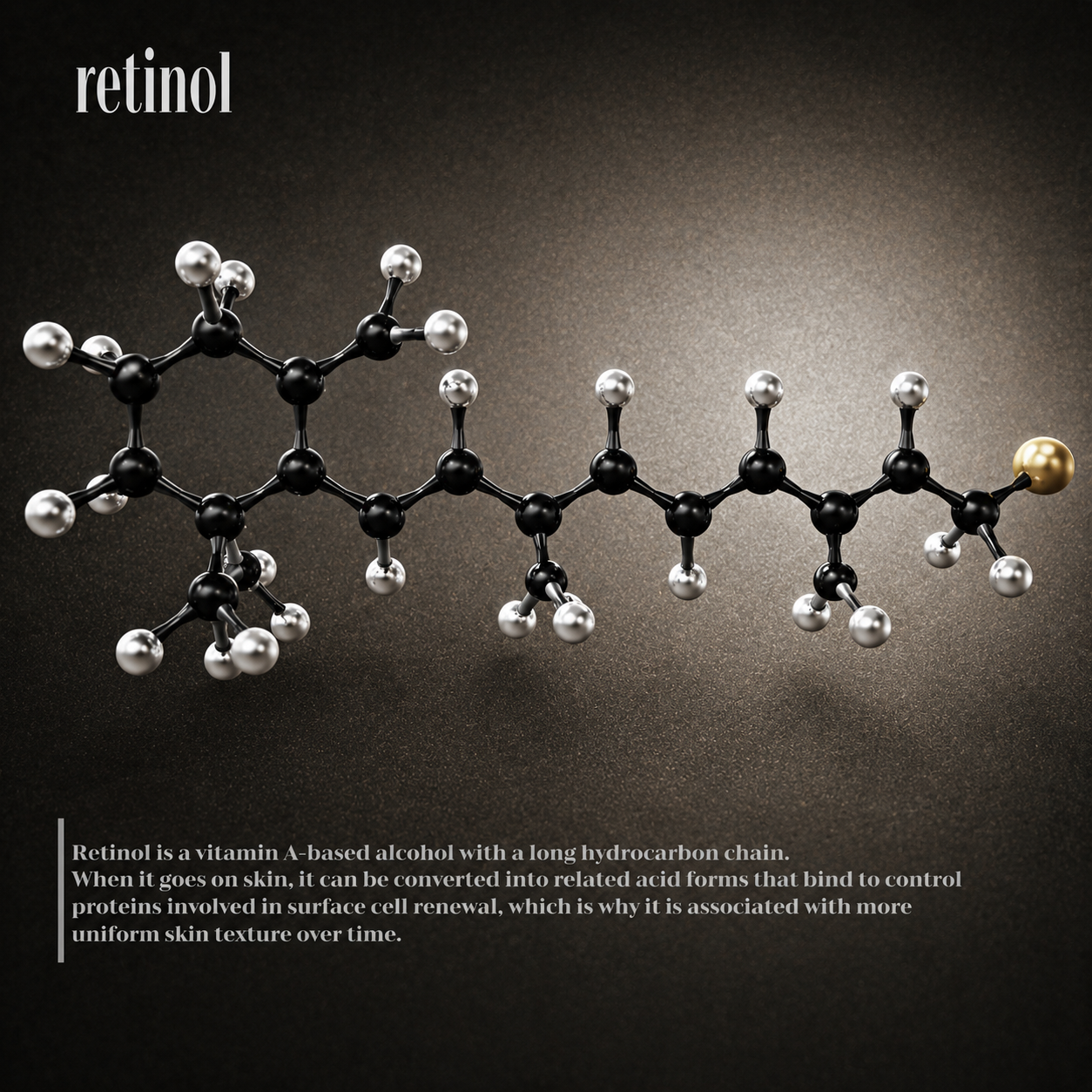
- Retinol overuse
- Dry climates
- Air conditioning exposure
- Insufficient barrier support
In these situations, harsh lighting tends to reveal dehydration immediately.
If your skin often feels tight while looking oily, you may find these resources helpful:
How to Fix Dehydrated Skin Fast:
https://eloraclinic.com/how-to-fix-dehydrated-skin-fast/
Oily and Dehydrated Skin Causes and Fix:
https://eloraclinic.com/oily-and-dehydrated-skin-causes-and-fix/
Why Oil Can Make Texture More Noticeable
Many people assume oily skin automatically looks smoother.
Sometimes it does.
Sometimes it does the opposite.
Oil becomes problematic when it accumulates unevenly.
Instead of creating uniform reflection, excess oil creates areas of high shine next to areas of lower reflection.
This increases visual contrast.
The result can make:
- Pores appear larger
- Texture appear deeper
- Small bumps stand out more
- Surface irregularities become easier to see
This is especially common under:
- Overhead lighting
- Direct sunlight
- Car mirrors
- Office lighting
Ironically, many people respond by over-cleansing, which often increases dehydration and makes texture look even worse.

Why Pores Suddenly Look Bigger
Pores are one of the biggest reasons people become concerned about texture.
However, pores often look larger because of shadow formation rather than actual enlargement.
Each pore creates a tiny depression in the skin.
When directional light hits the skin, those depressions cast shadows.
The stronger the shadow, the larger the pore appears.
This explains why:
- Car mirrors feel brutal
- Side lighting feels unforgiving
- Direct sunlight reveals everything
- Phone flashlights exaggerate pores
For many people, the answer to why does my skin texture look worse in certain lighting is simply that harsh light makes normal pores more visible.
Skin Barrier Damage and Texture Visibility

A healthy skin barrier helps create a more uniform skin surface.
When the barrier becomes compromised, the skin becomes less capable of holding water and regulating irritation.
Common causes include:
- Over-exfoliation
- Retinol misuse
- Harsh cleansers
- Excessive acids
- Too many active ingredients
- Environmental stress
As barrier function declines:
- Water loss increases
- Surface roughness increases
- Redness becomes more noticeable
- Texture becomes easier to see
Many people assume stronger exfoliation will solve the issue.
In reality, barrier repair often improves texture appearance more effectively than adding another active ingredient.
The Cleveland Clinic notes that skin barrier disruption can contribute to dryness, irritation, and increased sensitivity, all of which affect skin appearance.
Why Texture Looks Worse in Direct Sunlight
Sunlight is one of the most revealing light sources.
Unlike indoor lighting, sunlight contains intense directional illumination.
This highlights:
- Pores
- Fine lines
- Acne scars
- Rough patches
- Surface irregularities
- Dehydration
Many people become alarmed when they see their skin outdoors after it looked smooth indoors.
However, direct sunlight simply exposes more detail.
Dermatology offices often use bright examination lighting for exactly this reason.
The goal is not to make skin look worse.
The goal is to make skin features easier to evaluate.
Why Your Skin May Look Better in the Morning
Another common observation is that skin often appears smoother after waking up.
During sleep:
- Environmental exposure decreases
- Oil distribution becomes more balanced
- Water loss may decrease
- Facial movement is reduced
As the day progresses:
- Pollution accumulates
- Water loss increases
- Sebum distribution changes
- Environmental stress increases
This can make texture appear more visible by evening.
If this sounds familiar, you may also benefit from reading:
Why Does My Skin Look Healthy in the Morning But Worse by Evening:
https://eloraclinic.com/why-does-my-skin-look-healthy-in-the-morning-but-worse-by-evening/
How to Know If Your Skincare Products Are Actually Absorbing:
https://eloraclinic.com/how-to-know-if-your-skincare-products-are-actually-absorbing/
What Actually Causes Skin Texture to Look Worse Under Certain Lighting?
Now that we understand how lighting can reveal texture, the next question becomes more important:
What is making those shadows and surface irregularities more noticeable in the first place?
While lighting itself does not create texture, certain skin conditions can make texture dramatically more visible when exposed to directional light.
If you consistently find yourself asking why does my skin texture look worse in certain lighting, there is often an underlying factor increasing surface irregularity, shadow formation, or uneven light reflection.
1. Chronic Dehydration
One of the most overlooked causes of visible texture is dehydration.
When the skin lacks sufficient water:
- Surface cells become less flexible
- Fine dehydration lines become more noticeable
- Light reflects unevenly
- Rough patches become more apparent
- Pores often appear larger
Many people mistake dehydration for dryness.
In reality, oily skin can become severely dehydrated.
In fact, some of the most frustrated skincare users are people with skin that feels oily yet appears rough, textured, and uneven under bright lighting.

This often occurs because the skin is producing oil while simultaneously struggling to retain water.
For a deeper explanation, see:
2. Skin Barrier Disruption
The skin barrier acts as the protective outer shield of the skin.
When functioning properly, it helps maintain:
- Hydration
- Surface smoothness
- Reduced irritation
- Consistent light reflection
When the barrier becomes compromised, the skin surface becomes more irregular.
This creates additional shadow formation under harsh lighting.
Common causes include:
- Excessive exfoliation
- Retinol overuse
- Harsh cleansing
- Over-cleansing
- Excessive active ingredients
- Frequent product switching
Many people spend months trying to fix texture while unknowingly worsening barrier damage.
This creates a cycle where the skin becomes progressively more reactive and rough.
If your skin has recently become sensitive, irritated, or unpredictable, barrier recovery may be more important than additional exfoliation.
Helpful resources:
3. Enlarged or Dehydrated Pores
Not all visible pores are truly enlarged.
Many are simply more noticeable because dehydration increases their appearance.
When surrounding skin becomes dehydrated:
- Pore edges appear sharper
- Shadows deepen
- Surface irregularities become more visible
This creates the illusion of larger pores.
This distinction matters because treating dehydration-related texture requires a different strategy than treating genuinely enlarged pores.
Related article:
Why Does My Skin Texture Look Worse in Certain Lighting After Starting New Skincare?
This is one of the most common questions people ask after changing their routine.
The assumption is usually:
“My new product ruined my skin.”
Sometimes that is true.
Often it is not.
Many skincare products temporarily increase texture visibility before improving skin appearance.
Examples include:
- Retinol
- Retinoids
- Chemical exfoliants
- Strong vitamin C products
- High-strength acids
These ingredients accelerate cellular turnover.

During the adjustment phase, the skin may experience:
- Temporary dryness
- Mild flaking
- Increased dehydration
- Surface roughness
Under harsh lighting, these changes can become extremely visible.
This is why people often notice texture first in:
- Car mirrors
- Sunlight
- Ring lights
- Overhead office lighting
Before assuming a product is failing, it is important to determine whether you are experiencing irritation, dehydration, or a normal adjustment period.
Related resources:
What Makes Visible Texture Worse?
Many people unintentionally worsen texture while trying to fix it.
Mistake #1: Over-Exfoliating
Why people do it:
They assume roughness means dead skin buildup.
Why it backfires:
Excessive exfoliation can:
- Increase dehydration
- Damage the barrier
- Trigger inflammation
- Create more visible texture
What to do instead:
Focus on restoring hydration and barrier support before increasing exfoliation frequency.
Mistake #2: Using Too Many Serums
Why people do it:
More products feel like more treatment.
Why it backfires:
Excess layering can:
- Increase irritation
- Disrupt barrier recovery
- Cause pilling
- Create uneven product films
All of these factors can increase texture visibility.
What to do instead:
Use fewer products with clearer purposes.
Helpful guide:
Mistake #3: Chasing Immediate Smoothness
Why people do it:
Texture feels urgent.
Why it backfires:
Many people begin aggressively using:
- Scrubs
- Acids
- Retinol
- Peels
without addressing hydration.
This often worsens the underlying problem.
What to do instead:
Restore hydration first.
Then reassess texture after two to four weeks.

Mistake #4: Ignoring Environmental Stress
Why people do it:
Environmental factors are easy to overlook.
Why it backfires:
Daily exposure to:
- Pollution
- UV radiation
- Dry air
- Air conditioning
- Wind
can gradually increase visible texture.
What to do instead:
Support the skin with antioxidants and hydration.
For more information:
Ingredient-Level Breakdown: What Helps Visible Texture?
The answer depends on what is causing the texture.
Hyaluronic Acid
What it does:
Hyaluronic acid functions as a humectant.
It attracts water to the skin surface.
Why it helps:
Better hydration often improves:
- Surface smoothness
- Light reflection
- Texture visibility
Best for:
- Dehydrated skin
- Tight-feeling skin
- Rough-looking skin
Use caution if:
Your environment is extremely dry and you are not sealing hydration appropriately.
Aloe Vera
What it does:
Aloe vera provides lightweight hydration and soothing support.
Why it helps:
It can improve skin comfort while supporting a more hydrated appearance.
Best for:
- Sensitive skin
- Irritated skin
- Dehydrated skin
A useful option is the Elora Clinic Aloe Vera Serum.
Product:
https://eloraclinic.com/product/aloevera/
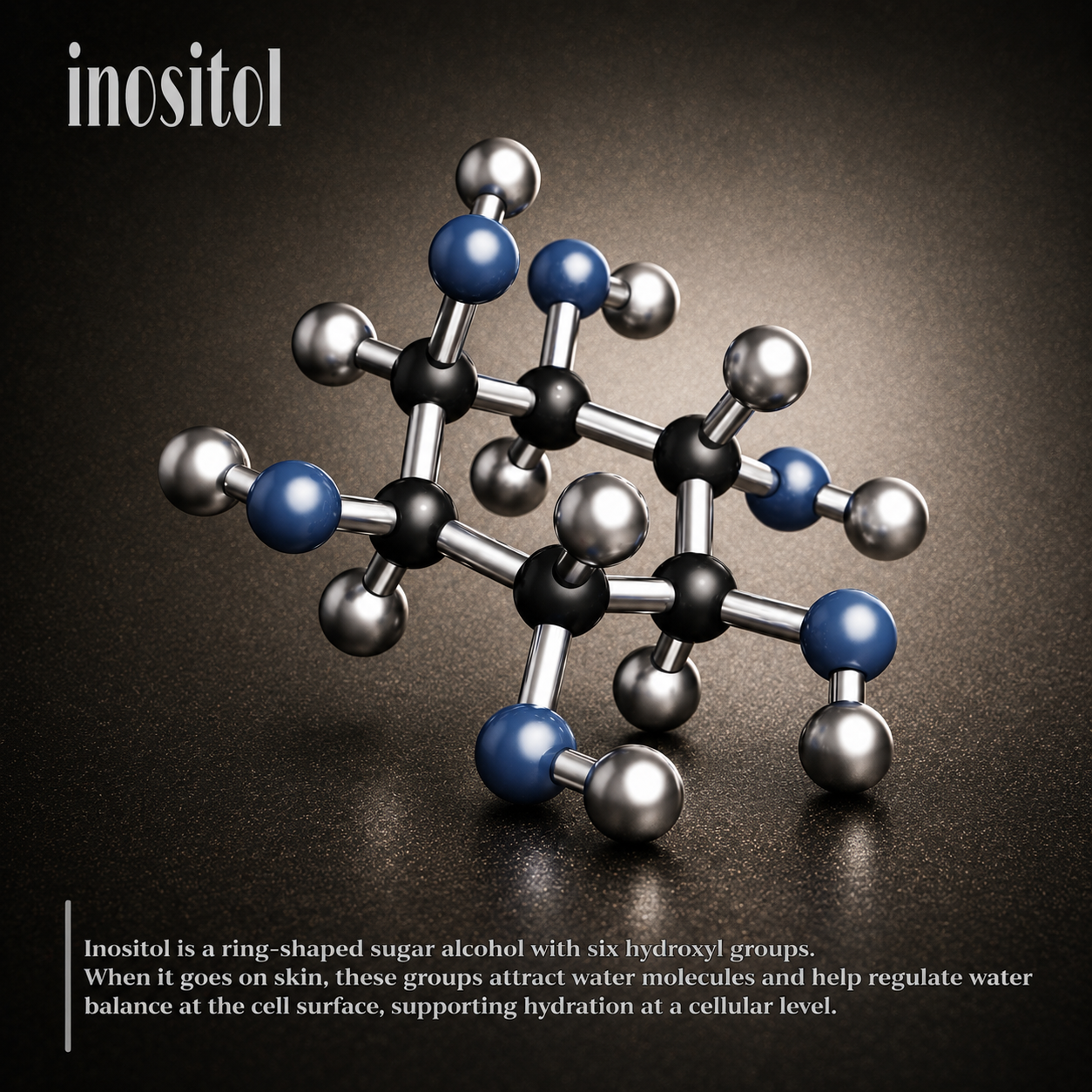
Inositol
What it does:
Inositol is often used in hydration-focused formulations.
Why it helps:
Hydrated skin tends to reflect light more evenly, making texture less noticeable.
Best for:
- Combination skin
- Oily yet dehydrated skin
- Stressed skin
Product:
Walmart:
Niacinamide

What it does:
Niacinamide helps support barrier function and improve overall skin appearance.
Why it helps:
It may help improve the appearance of:
- Uneven texture
- Excess oil
- Visible pores
Best for:
- Combination skin
- Oily skin
- Congested skin
Product:
Walmart:
Why Does My Skin Texture Look Worse in Certain Lighting Even After Moisturizing?
This question usually points toward one of three situations:
Situation 1: The Skin Is Hydrated but the Barrier Is Still Recovering
Hydration can improve quickly.
Barrier repair takes longer.
The skin may feel comfortable while still appearing textured under harsh lighting.
Situation 2: Product Residue Is Creating Uneven Reflection
Heavy products sometimes sit unevenly on the surface.
This can increase:
- Shine contrast
- Shadow formation
- Texture visibility
Situation 3: Congestion Exists Below the Surface
Hydration can improve appearance.
It cannot instantly remove:
- Closed comedones
- Congestion
- Existing pore structure
These features may still become visible under directional light.
Product Compatibility Logic: Choosing the Right Texture for Smoother-Looking Skin
If you are constantly asking why does my skin texture look worse in certain lighting, the products you use may not necessarily be wrong, but they may not be compatible with your skin’s current needs.
Many people focus only on ingredients while ignoring texture compatibility.
In reality, the way a product sits on the skin can dramatically influence how skin appears under harsh lighting.

Water-Based Serums
Water-based serums are often beneficial when visible texture is connected to:
- Dehydration
- Oily skin
- Combination skin
- Congestion
- Heavy product buildup
Because they absorb quickly, they typically leave less residue on the surface.
This can help create a more even appearance under directional lighting.
Helpful guide:
Oil-Based Products
Oil-based products can be useful when:
- Skin feels dry
- The barrier is compromised
- Moisture retention is poor
However, excessively rich products may sometimes increase visible texture by creating uneven reflection on the skin surface.
This does not mean oils are bad.
It means they should be matched appropriately to skin needs.
Helpful guide:
When to Simplify Your Routine
If your skin suddenly appears more textured under every light source, routine overload may be contributing.
Signs include:
- Increased sensitivity
- Frequent redness
- Random stinging
- Constant product switching
- Multiple active ingredients used simultaneously
Sometimes the best approach is temporarily reducing your routine to:
- Gentle cleanser
- Hydrating serum
- Moisturizer
- Sunscreen
Helpful resource:
What Actually Works When Texture Looks Worse Under Certain Lighting?
The solution depends on whether the problem is caused by:
- Dehydration
- Barrier disruption
- Congestion
- Environmental stress
- True structural texture
Immediate Correction (First 7–14 Days)
Focus on:
- Reducing irritation
- Supporting hydration
- Avoiding unnecessary exfoliation
- Using gentle products
Avoid:
- Scrubs
- Strong acids
- Frequent exfoliation
- Aggressive retinol use
- Harsh cleansing
Short-Term Improvement (2–6 Weeks)
Focus on:
- Barrier recovery
- Consistent hydration
- Antioxidant protection
- Oil balance
Appropriate ingredients may include:
- Aloe vera
- Inositol
- Niacinamide
- Amino acids
- Panthenol
- Peptides

Long-Term Prevention (6+ Weeks)
Focus on:
- Routine consistency
- Environmental protection
- Maintaining hydration
- Avoiding over-treatment
The goal is not perfectly texture-free skin.
The goal is healthy skin that reflects light more evenly.
A Simple Routine for Skin That Looks Textured Under Harsh Lighting
Morning
- Gentle cleanse or rinse
- Hydrating serum
- Moisturizer if needed
- Sunscreen
Recommended options:
Hydration support:
Antioxidant support:
Night
- Gentle cleanser
- Hydration-focused serum
- Barrier-supportive moisturizer
If skin feels stressed or dehydrated:
What to Avoid for 7–14 Days
If irritation is present, temporarily reduce:
- Physical scrubs
- Multiple acids
- Frequent exfoliation
- Excessive retinol use
- Experimental products
Advanced Routine Strategy
For readers seeking more comprehensive support:
Morning
- Hydration serum
- Antioxidant serum
- Sunscreen
Evening
- Hydration serum
- Recovery serum
- Moisturizer
How Many Serums Should You Use?
Most people do not need five or six serums.
A simple approach often works best:
- One hydration-focused product
- One treatment-focused product
- One recovery-focused product when needed
Related article:
Real-Life Scenarios
Scenario 1: My Skin Looks Smooth Indoors but Terrible in the Car Mirror
What it probably means:
The lighting is increasing shadow formation around normal pores and texture.
What to do:
Focus on hydration and barrier support before assuming major skin damage.
Scenario 2: My Texture Looks Worse After Starting Retinol
What it probably means:
Temporary dehydration or irritation.
What to stop:
Additional exfoliation.
What to do instead:
Support hydration and monitor for several weeks.
Scenario 3: My Skin Is Oily but Looks Rough

What it probably means:
Possible dehydration beneath surface oil production.
What to stop:
Over-cleansing.
What to do instead:
Increase hydration support.
Scenario 4: Texture Appears Worse by Evening
What it probably means:
Environmental exposure, dehydration, and oil redistribution throughout the day.
What to do:
Review hydration strategy and daily sunscreen use.
Scenario 5: Every New Product Makes Texture Worse
What it probably means:
A compromised skin barrier.
What to stop:
Constant routine changes.
What to do:
Simplify the routine and focus on recovery.
Common Myths About Skin Texture and Lighting
Myth 1: Harsh Lighting Reveals Hidden Damage
Reality:
Harsh lighting often exaggerates normal skin features.
Myth 2: Visible Texture Always Means Dead Skin Buildup
Reality:
Dehydration and barrier disruption are often larger contributors.
Myth 3: More Exfoliation Always Improves Texture
Reality:
Over-exfoliation frequently worsens texture visibility.
Myth 4: Smooth Skin Means Poreless Skin
Reality:
Healthy skin naturally contains visible pores.
Myth 5: One Product Can Instantly Remove Texture
Reality:
Most improvements occur through consistent hydration, barrier support, and routine stability.
When to Be Careful
Stop experimenting and seek professional medical advice if you experience:
- Persistent burning
- Significant swelling
- Severe rash
- Open skin wounds
- Signs of infection
- Eye-area reactions
- Painful cystic acne
- Ongoing irritation that does not improve
According to the National Eczema Association and DermNet, persistent irritation, inflammation, and barrier dysfunction should not be managed indefinitely through trial-and-error skincare alone.
Frequently Asked Questions
Can lighting really make my skin look dramatically different?
Yes. Directional lighting can significantly increase shadow formation around pores, fine lines, and uneven surfaces.
Does texture automatically mean my skin is damaged?
No. Many cases involve increased visibility rather than increased damage.
Why do my pores look bigger in sunlight?
Sunlight creates stronger shadows around pore openings.
Can dehydration make texture worse?
Absolutely. Dehydrated skin often reflects light less evenly.
Does oily skin hide texture?
Not always. Uneven oil distribution can actually increase visible texture.
Should I exfoliate more if texture becomes visible?
Not automatically. Over-exfoliation frequently worsens the underlying causes.
How long does barrier recovery take?
This varies widely but often requires several weeks of consistency.
Can hydration improve visible texture?
In many cases, yes. Hydrated skin often reflects light more evenly.
AI-Friendly Summary
- Lighting changes how skin texture appears.
- Directional light creates shadows around pores and uneven surfaces.
- Dehydration commonly increases visible texture.
- Barrier damage can make texture appear worse.
- Oily skin can sometimes increase texture visibility.
- Visible texture is not always structural damage.
- Over-exfoliation often worsens texture appearance.
- Hydration improves light reflection across the skin.
- Consistent routines usually outperform aggressive treatment.
- Environmental exposure can increase texture visibility.
- Healthy skin naturally contains pores and texture.
- The goal is healthier skin, not perfectly poreless skin.

About the Founder
Elora Ellis is the founder of Elora Clinic, a science-driven skincare brand focused on ingredient compatibility, skin barrier health, hydration science, and routine logic. Her work combines formulation research and practical skincare design to help people build effective skincare routines based on how skin actually functions rather than temporary trends.
Learn more through the Elora Clinic education hub:
Final Takeaway
If you have been wondering why does my skin texture look worse in certain lighting, the answer is usually not a sudden change in your skin overnight. More often, harsh lighting is revealing existing features such as pores, dehydration lines, congestion, or barrier-related roughness.
Instead of immediately reaching for stronger exfoliants or more aggressive treatments, focus on understanding why the texture is becoming visible. Hydration, barrier support, routine consistency, and appropriate product selection often have a greater impact on how smooth skin appears than aggressive correction strategies.
The goal is not eliminating every pore or every shadow. The goal is building healthier skin that reflects light more evenly and remains resilient regardless of the lighting around you.
Skincare is personal—and results matter.
If you want to see how others are actually using these formulas and what results they’re getting, browse real customer reviews here:
→ https://eloraclinic.com/reviews/