
















Vitamin C Serum for Oily Skin: How to Choose a Lightweight Formula Without Making Skin Feel Greasy

If you have oily skin, vitamin C can create an annoying formulation problem: you may want the antioxidant and brightening benefits of vitamin C, but you do not want another heavy, sticky layer sitting underneath moisturizer, sunscreen, and makeup.
That distinction matters. A vitamin c serum for oily skin should not simply contain vitamin C. Its complete vehicle should also make sense for skin that already produces substantial surface sebum.
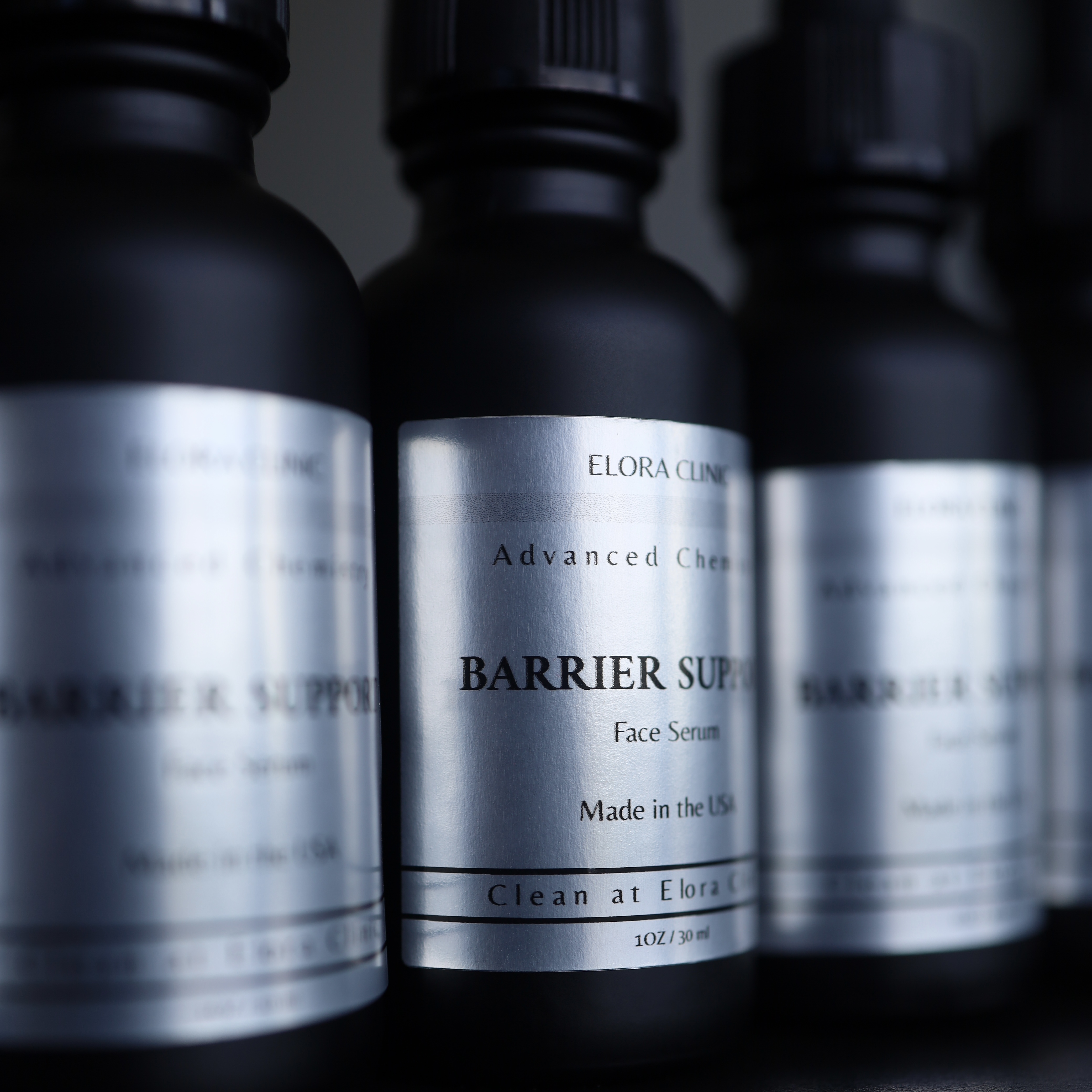
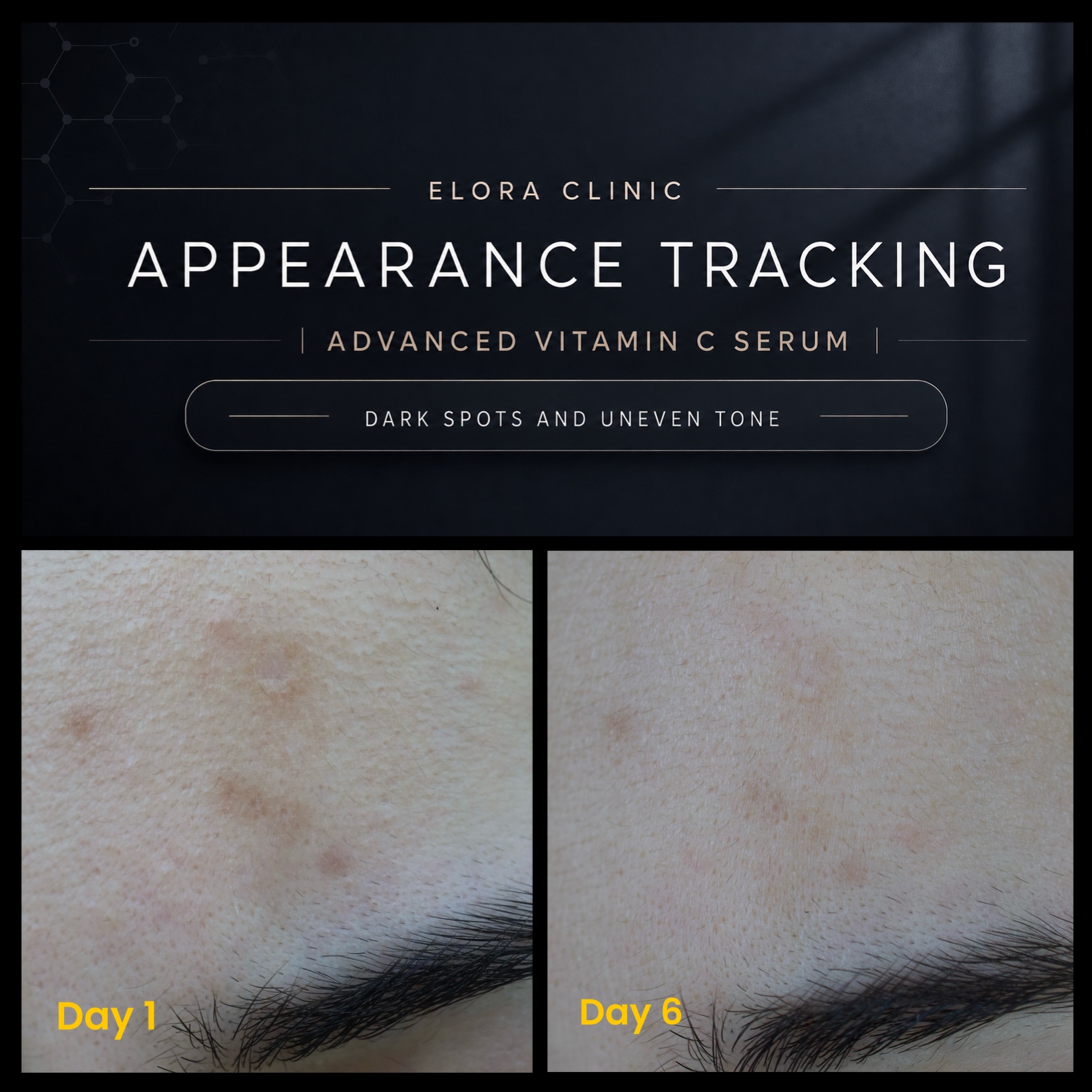
For readers looking specifically for that type of formula, the Elora Clinic Vitamin C Serum was designed as a lightweight serum suitable for routines where a heavy or oily skin feel is undesirable. The formula spreads in a very light layer and is designed to leave minimal perceptible residue on the skin rather than creating the rich finish associated with many oil-heavy products.
The serum is also available through the Elora Clinic Vitamin C Serum Walmart product page.
This is a cosmetic skincare product—not a medication or treatment for acne, melasma, or another dermatologic condition. Its relevance to oily skin is primarily about formulation architecture: providing a vitamin C-focused serum in a lightweight format that can be incorporated into a routine without unnecessarily increasing the oily or occlusive feel of the skin.
That brings us to the more important scientific question:
What actually makes a vitamin C serum appropriate for oily skin?
The answer involves much more than whether the ingredient list contains vitamin C.
Is Vitamin C Serum Good for Oily Skin?
Yes. A well-formulated vitamin c serum for oily skin can provide topical antioxidant support without requiring a heavy or oil-rich vehicle. Vitamin C itself does not inherently make skin oily; the finished serum’s vehicle, emollients, film-formers, concentration, pH, vitamin C form, and overall texture determine how it behaves on oily skin. Lightweight formulations are generally easier to integrate beneath moisturizer and sunscreen.
Vitamin C is one of the most extensively discussed antioxidants in topical skincare, but the ingredient is also unusually formulation-dependent.
Scientific reviews describe topical vitamin C as relevant to antioxidant activity, pigmentation pathways, collagen biology, and photodamage. At the same time, researchers repeatedly emphasize that stability, penetration, concentration, pH, and the chemical form of vitamin C strongly influence topical performance. (pubmed.ncbi.nlm.nih.gov)
That last point is particularly important.
Two bottles can both say “Vitamin C Serum” on the front while functioning very differently on the skin.
One may be:
- watery;
- rapidly spreading;
- lightweight;
- low-residue;
- and easy to layer.
Another may contain:
- substantial oils;
- rich emollients;
- heavy film-formers;
- silicones;
- wax-like materials;
- or an emulsion system that leaves a more substantial film.
Neither texture is universally superior.
But they may suit different skin types.
Oily Skin Does Not Mean Vitamin C Is the Problem

People with oily skin often abandon vitamin C because they try one serum that makes their face feel greasy.
The conclusion becomes:
“Vitamin C is too oily for my skin.”
Chemically, that conclusion does not make sense.
Vitamin C itself does not automatically create an oily product.
Classic L-ascorbic acid is a water-soluble molecule. Many vitamin C derivatives also have very different physicochemical characteristics depending on how their molecular structures have been modified.
What determines whether a finished product feels oily is primarily its formulation.
That means a person who dislikes one vitamin C serum may simply dislike that particular vehicle.
This distinction is fundamental to cosmetic formulation science:
active ingredient ≠ finished product.
The active tells you what the formula is designed around.
The vehicle determines a large part of how that active is delivered and how the product behaves during application.
Why Oily Skin Can Still Benefit From Antioxidant Support
Sebum production does not make skin immune to oxidative stress.
Skin is continuously exposed to environmental factors capable of generating reactive oxygen species, including ultraviolet radiation and pollution.
Reactive oxygen species are chemically reactive molecules that can interact with cellular lipids, proteins, and other biological structures.
Human skin contains endogenous antioxidant systems that help control this oxidative environment.
Vitamin C is part of that antioxidant network.
A major review of topical vitamin C describes it as an important cutaneous antioxidant and discusses its roles in photoprotection, pigmentation biology, and collagen-related processes. (pubmed.ncbi.nlm.nih.gov)
This matters because oiliness and antioxidant status are different biological issues.
A person can have abundant sebum and still want antioxidant support.
Likewise, a person can have dry skin and benefit from antioxidants.
The difference is often how those ingredients should be delivered.
Understanding Oily Skin: Sebum Is Not the Enemy
To choose a serum intelligently, it helps to understand what “oily skin” actually means.
Sebum is produced by sebaceous glands, which are associated with hair follicles.
Sebum contains a mixture of lipids, including:
- triglycerides and their breakdown products;
- wax esters;
- squalene;
- cholesterol-related lipids;
- and other lipid components.
These lipids contribute to the surface environment of the skin.
Sebum is not dirt.
And having oily skin does not mean the skin should be stripped until it feels completely dry.
Problems arise when high sebum production contributes to:
- excessive shine;
- uncomfortable greasiness;
- makeup breakdown;
- congestion;
- or interaction with acne-prone skin.
The correct skincare strategy is therefore rarely “remove every possible lipid.”

It is usually to build a routine that provides the desired skincare functions without unnecessarily increasing surface heaviness.
That is where serum texture becomes especially important.
What Makes a Vitamin C Serum Feel Heavy?
Several formulation characteristics can influence perceived heaviness.
High Oil Content
Oil-based or oil-rich products can create a more emollient surface film.
That may be beneficial for dry skin.
For very oily skin, however, adding a substantial lipid layer can feel excessive—particularly in hot or humid climates.
Rich Emollients
Not every emollient is literally an oil.
Esters, fatty materials, and other emollients can create slip and softness but may also contribute to a richer sensory profile.
Occlusive Materials
Occlusive ingredients reduce water loss partly by creating a surface barrier.
They can be extremely useful for dry or barrier-impaired skin.
But a heavily occlusive serum may not be necessary for someone whose morning routine already includes moisturizer and sunscreen.
Film-Forming Ingredients
Film-formers can change how a product dries down.
Some create an elegant, smooth finish.
Others may feel tacky or noticeable on oily skin.
Excessive Humectant Tack
Interestingly, a product does not need oil to feel heavy.
High levels or certain combinations of humectants can create tackiness.
A serum may therefore be technically oil-free but still feel sticky or substantial.
This is why “oil-free” and “weightless-feeling” are not identical claims.
Oily Skin Can Also Be Dehydrated
One of the biggest mistakes in oily-skin routines is assuming that visible oil means the skin has enough water.
Sebum and hydration are different.
Sebum refers primarily to lipids at the skin surface.
Hydration refers largely to water content within the stratum corneum.
A person can therefore have an oily forehead and still experience:
- tightness after cleansing;
- rough texture;
- dehydration lines;
- sensitivity;
- or discomfort.
This is often described as oily-dehydrated skin.
The Elora Clinic guide to oily and dehydrated skin explains this oil-water distinction in greater detail.
For vitamin C formulation, the implication is important:
An oily-skin serum does not necessarily need to eliminate hydration ingredients.
A lightweight water-based system can provide hydration without creating the same sensory profile as a rich oil-based formula.
The Stratum Corneum Still Matters in Oily Skin
The outermost layer of the epidermis—the stratum corneum—remains critical regardless of how much sebum the skin produces.
It is composed of corneocytes embedded within an organized extracellular lipid matrix.
This structure helps:
- regulate water loss;
- reduce penetration of irritants;
- maintain hydration;
- and protect underlying tissue.
When the barrier becomes disrupted, transepidermal water loss, or TEWL, can increase.
That can produce the seemingly contradictory experience of skin that looks oily but feels tight.
This often happens when oily skin is managed too aggressively.
Common triggers include:
- harsh cleansing;
- excessive exfoliation;
- repeated clay masks;
- strong alcohol-based products;
- retinoid overuse;
- acne-treatment overuse;
- and combining too many actives.
If the skin barrier is already compromised, even a normally tolerated vitamin C formula may sting.
That does not automatically mean oily skin “cannot use vitamin C.”
It may mean the skin needs recovery before another active is introduced.
Why the Form of Vitamin C Matters

“Vitamin C” is not one single formulation strategy.
Pure L-ascorbic acid is the biologically active form most commonly associated with classic topical vitamin C research.
But formulators face a significant problem:
L-ascorbic acid is difficult to stabilize.
It can undergo oxidation, particularly when exposed to factors such as:
- oxygen;
- light;
- heat;
- water;
- and unfavorable formulation conditions.
Because of those limitations, cosmetic chemists have developed multiple vitamin C derivatives.
Examples discussed in scientific literature include:
- sodium ascorbyl phosphate;
- magnesium ascorbyl phosphate;
- ascorbyl glucoside;
- 3-O-ethyl ascorbic acid;
- tetrahexyldecyl ascorbate;
- and other modified forms.
These molecules are not interchangeable.
They can differ in:
- water solubility;
- lipid solubility;
- stability;
- penetration behavior;
- conversion requirements;
- pH needs;
- and strength of clinical evidence.
A scientific review focused specifically on vitamin C derivatives concluded that modified forms have been developed largely to address problems involving stability and delivery, while also noting important differences in the amount and quality of efficacy evidence available for different derivatives. (pubmed.ncbi.nlm.nih.gov)
This is why judging a vitamin C serum solely by the percentage on the front label is inadequate.
Pure Ascorbic Acid Versus Vitamin C Derivatives for Oily Skin
Neither category automatically wins.
L-Ascorbic Acid
Advantages can include:
- substantial scientific literature;
- direct biological activity;
- well-characterized antioxidant behavior.
Challenges include:
- instability;
- oxidation;
- formulation difficulty;
- and the acidic environment commonly used to facilitate topical delivery.
Some users—particularly those with reactive or barrier-impaired skin—may find strongly acidic formulas uncomfortable.
Vitamin C Derivatives
Potential advantages can include:
- improved formulation stability;
- different pH flexibility;
- potentially different tolerability profiles;
- and more formulation options.
But derivatives require more careful evaluation because evidence is not equally strong for every molecule.
A review of topical ascorbic acid and its derivatives specifically notes that while derivatives can address instability problems, many have substantially more in-vitro evidence than robust human clinical evidence. (pubmed.ncbi.nlm.nih.gov)
That is an important scientific limitation.
A derivative should not automatically be described as equivalent to pure ascorbic acid simply because both belong to the vitamin C family.
Why Vitamin C Oxidation Matters
Vitamin C stability is not just an academic chemistry problem.
It affects the product a consumer actually applies.
Oxidation can change:
- product color;
- chemical composition;
- active availability;
- and overall formulation performance.
This is why packaging and storage matter.
Depending on the specific formula, strategies used by formulators can include:
- controlling pH;
- limiting oxygen exposure;
- protective packaging;
- chelating agents;
- antioxidant combinations;
- derivative selection;
- and optimized solvent systems.
Research reviewing vitamin C stability and skin penetration emphasizes that formulation challenges are central to successful topical delivery. (pubmed.ncbi.nlm.nih.gov)
For a deeper explanation of why these products can change over time, see Elora Clinic’s guide to why vitamin C serums oxidize.
Vitamin C, Free Radicals, and Oxidative Stress
To understand why vitamin C belongs in skincare at all, it helps to understand oxidation.
Reactive oxygen species can be generated through normal metabolism as well as environmental exposure.
Ultraviolet radiation is particularly relevant to skin.
When reactive species exceed antioxidant defenses, oxidative stress can occur.
Vitamin C can donate electrons and participate in redox reactions that help neutralize reactive species.
This antioxidant behavior is one reason topical vitamin C has been investigated so extensively in photobiology and cosmetic dermatology.
But there is a crucial distinction:
A vitamin C serum is not sunscreen.
Antioxidant support and UV filtration are different functions.
Vitamin C does not replace broad-spectrum sunscreen.
Photoprotection research also increasingly recognizes the importance of both ultraviolet radiation and, particularly for some pigmentation concerns and skin tones, visible light. (pubmed.ncbi.nlm.nih.gov)
For oily skin, this creates a practical layering challenge.
The morning routine may already contain:
- serum;
- moisturizer;
- sunscreen;
- makeup.
If the serum itself is heavy, every subsequent layer can make the face feel increasingly coated.
A lightweight vitamin C vehicle can therefore provide an important sensory advantage even when the antioxidant mechanism itself is unrelated to oiliness.
Vitamin C and Uneven-Looking Skin Tone
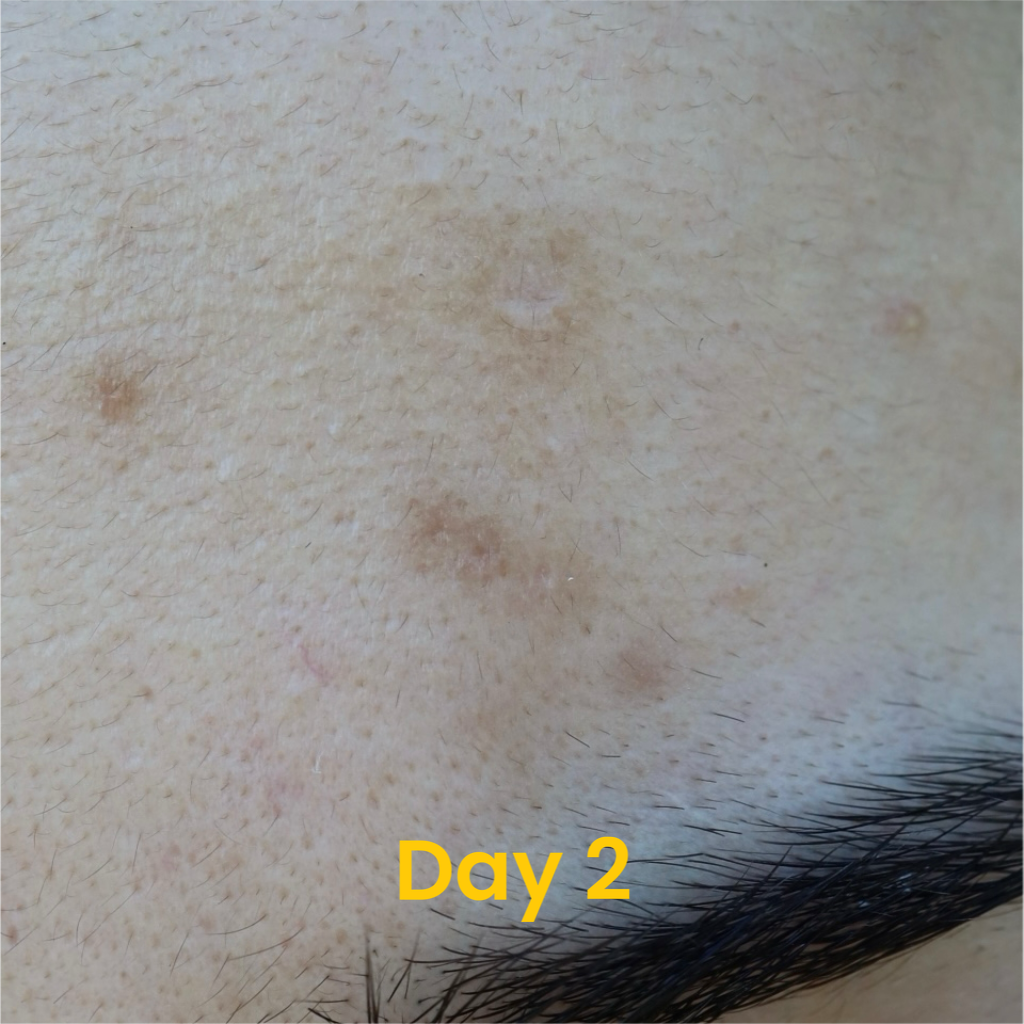
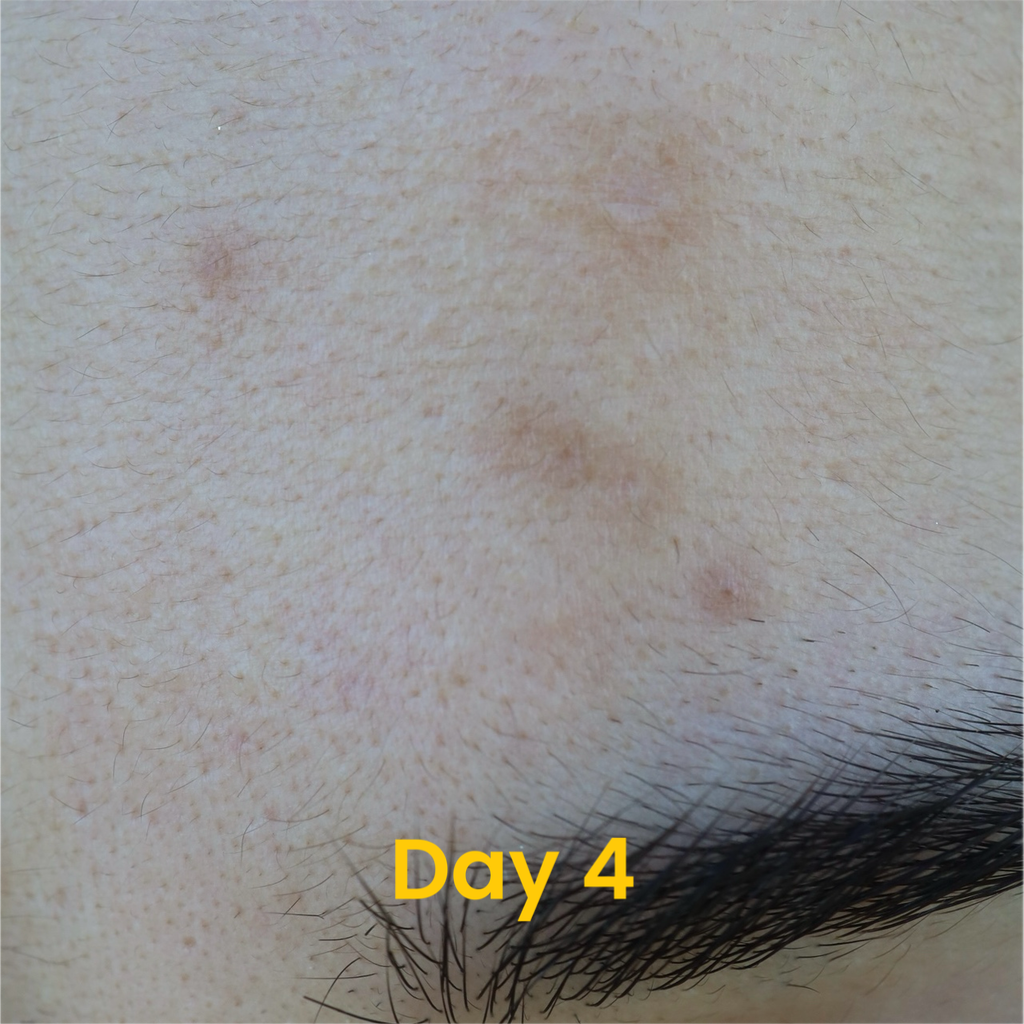
Vitamin C is also widely used in routines targeting visible discoloration and uneven tone.
Pigmentation begins with melanogenesis, the process by which melanocytes synthesize melanin.
The enzyme tyrosinase plays an important role in this pathway.
Vitamin C has been studied for effects involving melanin synthesis and tyrosinase-related pathways, which helps explain its widespread inclusion in brightening formulations.
A 2023 systematic review evaluating clinical trials of topical vitamin C in melasma and photoaging found evidence of improvement in pigmentation measures, while also emphasizing that the evidence base remains limited and that longer-term use may be required for noticeable changes. (pubmed.ncbi.nlm.nih.gov)
That nuance matters.

A cosmetic vitamin C serum should not be presented as a guaranteed treatment for a pigmentation disorder.
But the broader scientific evidence supports vitamin C’s relevance to routines designed to improve the appearance of uneven pigmentation.
Readers specifically focused on discoloration can review Elora Clinic’s vitamin C serum for dark spots guide.
Why This Matters Especially for Oily and Acne-Prone Skin
Oily skin and acne-prone skin are not synonymous.
You can have oily skin without acne.
You can also have acne with normal or dry skin.
However, oily and acne-prone skin frequently overlap.
When blemishes resolve, they can leave areas of post-inflammatory hyperpigmentation, particularly in skin that is prone to producing persistent pigment after inflammation.
That creates a difficult routine problem.
The person may want ingredients targeting uneven tone while simultaneously trying to avoid:
- heavy products;
- excessive irritation;
- clogged-feeling skin;
- and too many treatment layers.
A lightweight vitamin C serum can make more sense in that context than a rich antioxidant oil.
But if active acne is painful, cystic, severe, or scarring, vitamin C skincare should not be treated as a replacement for appropriate dermatologic care.
Why Texture Is a Functional Property, Not Just a Luxury
Texture is sometimes dismissed as purely cosmetic.
That misses an important point.
A skincare product cannot provide much practical value if the user dislikes it enough to stop applying it.
For oily skin, sensory characteristics can strongly influence adherence.
A serum that feels:
- heavy;
- greasy;
- sticky;
- suffocating;
- or difficult beneath sunscreen
may eventually be abandoned.
By contrast, a serum that spreads easily and becomes minimally perceptible on the skin can be much easier to use consistently.
This is particularly important in hot or humid environments, where multiple layers can feel uncomfortable.
The Elora Clinic guide to oil-free hydration in humid climates explains why vehicle and texture can become especially important as environmental humidity changes.
A Better Way to Choose a Vitamin C Serum for Oily Skin
Instead of looking only for the highest vitamin C percentage, evaluate the entire formula.
Ask:
What form of vitamin C does it use?
Different vitamin C molecules have different stability and formulation requirements.
What is the vehicle?
A lightweight water-based system may be preferable if you dislike oily residue.
How does it layer?
A morning antioxidant serum should generally coexist comfortably with sunscreen.
Does it leave a heavy film?
For oily skin, elegant dry-down can matter as much as the initial texture.
Does it irritate your skin?
A theoretically powerful formula provides little practical advantage if you cannot use it consistently.
Is your barrier currently healthy enough for another active?
If even moisturizer burns, vitamin C may not be the immediate priority.
The best vitamin c serum for oily skin is therefore not automatically the strongest, most acidic, or highest-percentage serum available.
It is a scientifically sensible formula that provides an appropriate vitamin C system in a vehicle you can actually tolerate, layer, and use consistently—without making already oily skin feel unnecessarily heavier.
What Actually Makes Oily Skin Different From Dry Skin?
Oily skin is primarily characterized by higher sebum production, but that single feature does not explain everything about how the skin behaves.
Sebum is produced by sebaceous glands and released through follicles onto the skin surface. Its composition includes triglycerides, wax esters, squalene, free fatty acids, and cholesterol-related lipids. These surface lipids contribute to flexibility and help form part of the skin’s external protective environment.
When sebum production is high, the skin may appear:
- shiny;
- greasy;
- more reflective;
- more prone to makeup movement;
- or more likely to feel congested.
But oily skin can still be:
- dehydrated;
- irritated;
- sensitive;
- inflamed;
- or barrier-impaired.
That distinction is crucial when choosing a vitamin c serum for oily skin.
The objective should not be to remove every trace of oil. It should be to use a formulation that delivers useful antioxidant support without creating an unnecessarily heavy or occlusive surface film.
Why Oily Skin Often Feels Worse With Heavy Serums
A serum can be scientifically excellent and still be a poor sensory match for oily skin.
That is because the user experiences the entire formula, not just the active ingredient.
Heavy-feeling products may become uncomfortable when layered with:
- moisturizer;
- sunscreen;
- makeup;
- other serums;
- or high-humidity environmental conditions.
This can produce a feeling of excessive coating or greasiness.
In practice, that matters because a user who dislikes the texture of a product is less likely to apply it consistently.
Formulation elegance is therefore not merely aesthetic.
It can influence adherence.
Lightweight Does Not Mean Weak
There is a common misconception that a serum has to feel substantial to be effective.
That is false.
Texture and active concentration are not the same thing.
A lightweight water-based serum can contain meaningful levels of active ingredients.
Likewise, a rich serum can feel luxurious while containing a relatively modest active system.
The sensory profile comes largely from the vehicle.
This is especially important for oily skin because users often equate “light” with “not doing much.”
A well-designed lightweight serum can be chemically sophisticated while remaining almost imperceptible after application.
The Role of Water-Based Formulations
Water-based serums are often useful for oily skin because they can create a thin, quickly spreading layer without requiring a large lipid phase.
That can be helpful in routines where the user already plans to apply:
- serum;
- moisturizer;
- sunscreen;
- makeup.
A water-based system can also support ingredients that are naturally water-soluble.
However, not every water-based serum feels lightweight.
Viscosity modifiers, humectants, film-formers, polymers, and other ingredients can create tackiness or residue.
This is why texture should be evaluated from the complete formulation rather than from the phrase “water-based” alone.
Humectants Can Be Helpful in Oily Skin
Humectants are ingredients that help attract and retain water in the stratum corneum.
Common examples include:
- glycerin;
- hyaluronic acid;
- propanediol;
- sorbitol;
- and certain amino acids.
Oily skin can benefit from humectants because high sebum production does not guarantee adequate water content.
This is especially relevant when oily skin has been over-cleansed.
If the barrier becomes compromised, the skin can feel tight even while remaining shiny.
A lightweight vitamin C serum that includes hydration-supportive components can therefore make more sense than a formula focused only on drying the skin.

Why Over-Cleansing Can Make Oily Skin Harder to Manage
People with oily skin often wash more frequently because they dislike shine.
But aggressive cleansing can disrupt the stratum corneum.
When the barrier is impaired, the skin may experience:
- increased transepidermal water loss;
- tightness;
- irritation;
- redness;
- and increased sensitivity to active ingredients.
This can make vitamin C harder to tolerate.
The irony is that a person may think:
“My vitamin C is too strong.”
When the actual problem is:
“My skin was already over-cleansed before I applied it.”
That is why a scientific oily-skin routine needs to consider cleanser intensity before evaluating serum tolerance.
Why pH Matters in Vitamin C Formulation
pH can strongly influence vitamin C behavior, especially with L-ascorbic acid.
Pure L-ascorbic acid is commonly formulated at a relatively acidic pH to support stability and penetration.
This can be effective, but lower-pH formulas may sting some users.
That is particularly relevant for people who:
- exfoliate frequently;
- use retinoids;
- have recently over-cleansed;
- have an impaired barrier;
- or experience sensitivity.
This is another reason vitamin C derivatives can be useful in formulation.
Some derivatives allow formulators to work in different pH environments.
But again, derivative choice introduces tradeoffs involving stability, conversion, solubility, and evidence.
Why “Non-Comedogenic” Is Not a Simple Ingredient Claim
Oily-skin users often look for the word non-comedogenic.
That can be useful, but it should not be interpreted as a guarantee that a product can never contribute to breakouts.
Comedogenicity is influenced by:
- total formulation;
- concentration;
- application amount;
- skin type;
- occlusion;
- climate;
- and individual response.
An ingredient that performs well for most people may still feel congesting to someone else.
This is why real-world tolerance remains important even when a product is designed for oily skin.
Vitamin C and Acne-Prone Skin
Vitamin C can fit into acne-prone skincare, but it should not be described as a substitute for acne treatment.
That distinction is important.
Acne involves multiple biological processes, including:
- follicular obstruction;
- sebum;
- inflammation;
- microbial activity;
- and hormonal influences.
Vitamin C is primarily relevant to antioxidant support and visible uneven tone.
For acne-prone users, its most practical role may be helping support a routine focused on post-inflammatory discoloration while avoiding overly heavy textures.
However, if the skin is actively inflamed, irritated, or undergoing aggressive acne treatment, even a lightweight vitamin C formula may need to be introduced slowly.
Post-Inflammatory Hyperpigmentation in Oily Skin
People with oily or acne-prone skin frequently deal with pigmentation after breakouts.
This is known as post-inflammatory hyperpigmentation.
Once a blemish resolves, pigment may remain visible for weeks or months.
The darker mark is not always evidence that active acne is still present.
Instead, inflammation may have stimulated melanocytes to increase melanin production or distribution in the area.
This is why picking or squeezing acne can make discoloration more persistent.
The Elora Clinic guide to best serum for acne scars and hyperpigmentation explores this overlap between blemishes and pigmentation in more detail.
Why Vitamin C Can Fit a Post-Acne Routine
Vitamin C can be relevant to post-acne routines because of its role in:
- antioxidant support;
- visible brightness;
- and pigmentation-related pathways.
But it should be integrated carefully.
If someone is already using:
- salicylic acid;
- benzoyl peroxide;
- retinoids;
- exfoliating acids;
- and prescription acne therapy,
adding an acidic vitamin C formula may increase cumulative irritation.
That does not mean vitamin C is incompatible with acne care.
It means the total routine matters.
The Difference Between Oiliness and Congestion
Oiliness refers to visible or measurable sebum.
Congestion refers to follicular buildup.
These are related but not identical.
A person can have very oily skin with relatively few clogged pores.
Another person can have moderate oil production and significant congestion.
This matters when evaluating serums.
A lightweight formula may feel better on oily skin, but congestion should still be addressed according to its actual cause rather than assuming every shiny face needs more oil-control ingredients.
Vitamin C and Sebum Oxidation
Sebum contains lipids that can undergo oxidation.
One particularly interesting molecule is squalene, a natural component of human sebum.
Oxidized lipid products can participate in processes associated with skin stress and inflammation.
Antioxidant systems are therefore relevant not only to dry or photoaged skin but also to oily skin environments.
This does not mean vitamin C directly “neutralizes oily skin.”
It means oxidative stress and sebum production can coexist.
A person can have high surface oil while still benefiting from topical antioxidants.
Why Pollution Matters for Oily Skin
Airborne pollution can interact with the skin surface.
Particulate matter, ozone, and other environmental stressors can contribute to oxidative stress and irritation.
Oily skin may feel especially dirty or congested after exposure because pollutants can adhere to surface sebum.
That often leads people to cleanse more aggressively.
But over-cleansing can create another problem: barrier disruption.
A better strategy is to use effective but gentle cleansing and maintain antioxidant support without stripping the skin.
The Elora Clinic pollution and skin barrier guide provides a more detailed explanation of how environmental exposure affects skin.
Why Sunscreen Is Still Essential for Oily Skin

Many people with oily skin avoid sunscreen because they dislike greasy formulas.
That can undermine a vitamin C-centered routine.
Vitamin C and sunscreen do different things.
Vitamin C provides antioxidant support.
Sunscreen helps reduce ultraviolet exposure.
One cannot replace the other.
A morning routine for oily skin should therefore prioritize finding a sunscreen texture that feels acceptable rather than skipping photoprotection entirely.
A lightweight sunscreen can often make a greater difference in routine adherence than trying to eliminate moisturizer or serum altogether.
How Much Vitamin C Serum Should Oily Skin Use?
More is not better.
A thin, even layer is usually sufficient.
Excess product can create:
- tackiness;
- pilling;
- slower dry-down;
- increased sensory heaviness;
- and difficulty applying sunscreen.
If a serum is designed to spread easily, a small amount can often cover the face effectively.
This matters because oily-skin users sometimes overapply serum and then blame the product for feeling heavy.
Application amount can change the sensory experience dramatically.
Should Oily Skin Use Vitamin C Every Morning?
For many people, yes, if the product is well tolerated.
Morning use is logical because antioxidant support fits naturally into a daytime routine.
A simple structure is:
- cleanse;
- vitamin C serum;
- moisturizer if needed;
- sunscreen.
Some oily-skin users may not need a separate moisturizer if the serum and sunscreen provide enough hydration and comfort.
Others still benefit from one.
The correct decision depends on skin feel rather than a universal rule.
Can Oily Skin Use Vitamin C at Night?
Yes.
Vitamin C does not have to be restricted to morning use.
If a person prefers a simpler morning routine, vitamin C can be used at night.
The main reason morning use is popular is that antioxidants complement daytime photoprotection.
But nighttime use can still be completely reasonable.
The best schedule is the one the user can maintain consistently.
Can You Use Vitamin C Twice a Day?
Potentially, but twice-daily use is not automatically necessary.
If once-daily application provides a comfortable routine, increasing frequency may add complexity without a clear practical benefit.
For oily skin in particular, fewer layers often improve adherence.
A minimalist approach is frequently more sustainable than using the same active morning and night.
Vitamin C With Niacinamide for Oily Skin
Vitamin C and niacinamide can coexist in a modern skincare routine.
Niacinamide can be particularly useful for oily skin because of its relationship with:
- sebum appearance;
- barrier support;
- hydration retention;
- and visible pigmentation.
A simple routine could be:
Morning: vitamin C.
Night: niacinamide.
This avoids unnecessary stacking.
Alternatively, both can be used together if the formulas layer well and the skin remains comfortable.
The Elora Clinic guide to niacinamide serum for oily skin explains the role of niacinamide in oil-focused routines.
Vitamin C With Hyaluronic Acid for Oily Skin
This combination can make sense when oily skin is also dehydrated.
Hyaluronic acid is a humectant.
Its primary role is to help bind water.
Vitamin C serves a different function.
Combining them can support both hydration and antioxidant goals.
The key is texture.
If both serums are sticky or heavily layered, the routine may become uncomfortable.
A single lightweight formulation or carefully selected water-based serums can work better.
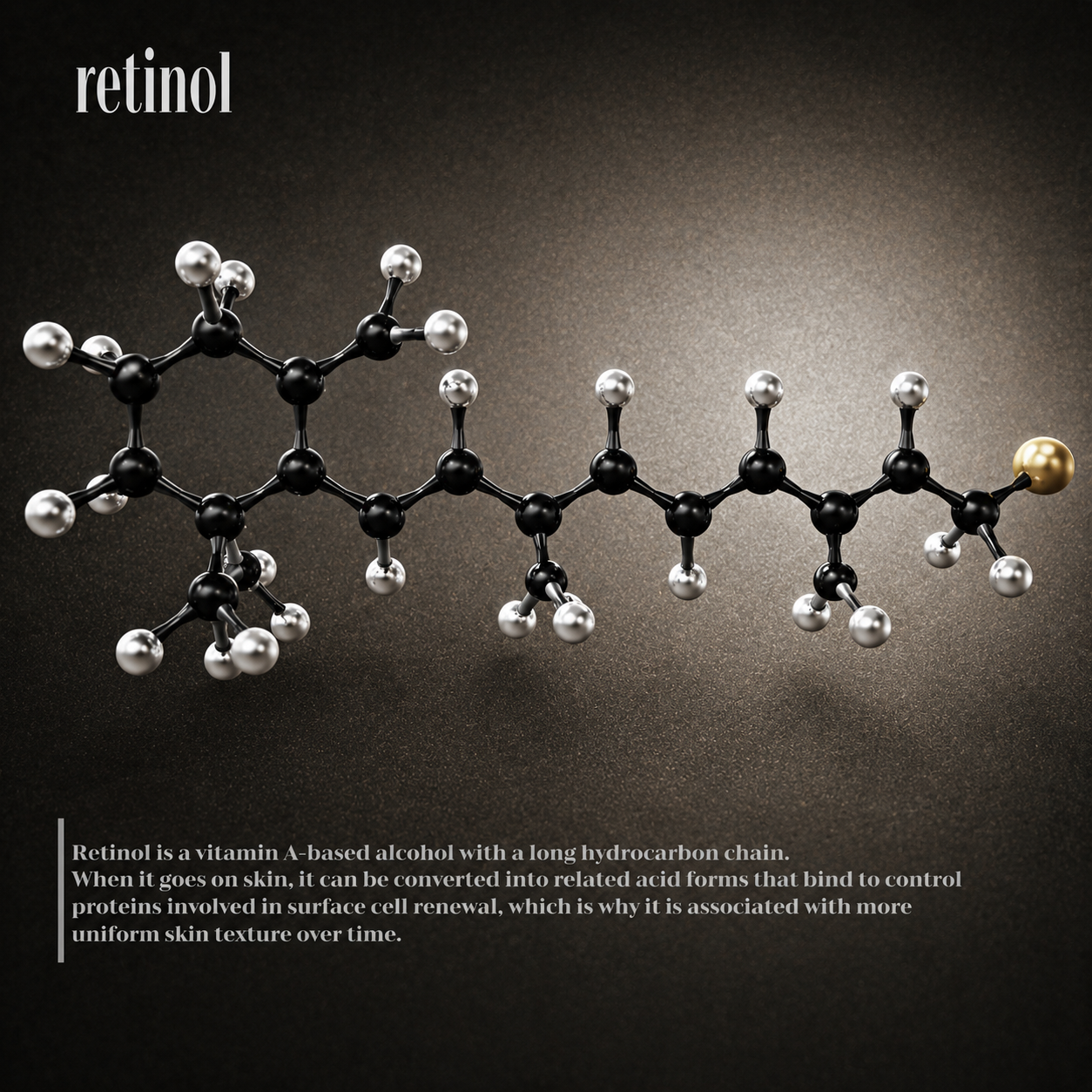
Vitamin C With Retinol for Oily Skin
Vitamin C and retinol can be used within the same broader routine.
A practical structure is:
Morning: vitamin C.
Night: retinol.
This is often simpler than layering both at once.
The main issue is not theoretical incompatibility.
It is irritation.
If the skin becomes:
- red;
- tight;
- flaky;
- or sensitive,
reduce active frequency.
Vitamin C With Exfoliating Acids
Oily skin frequently uses salicylic acid or other exfoliants.
These can be useful, but combining multiple acidic products can increase irritation.
A person using a low-pH vitamin C serum and an exfoliating acid should pay attention to total tolerance.
If burning or tightness develops, alternate them.
For example:
Monday: vitamin C only.
Tuesday: exfoliant at night.
Wednesday: vitamin C.
Thursday: recovery routine.
This approach reduces cumulative stress.
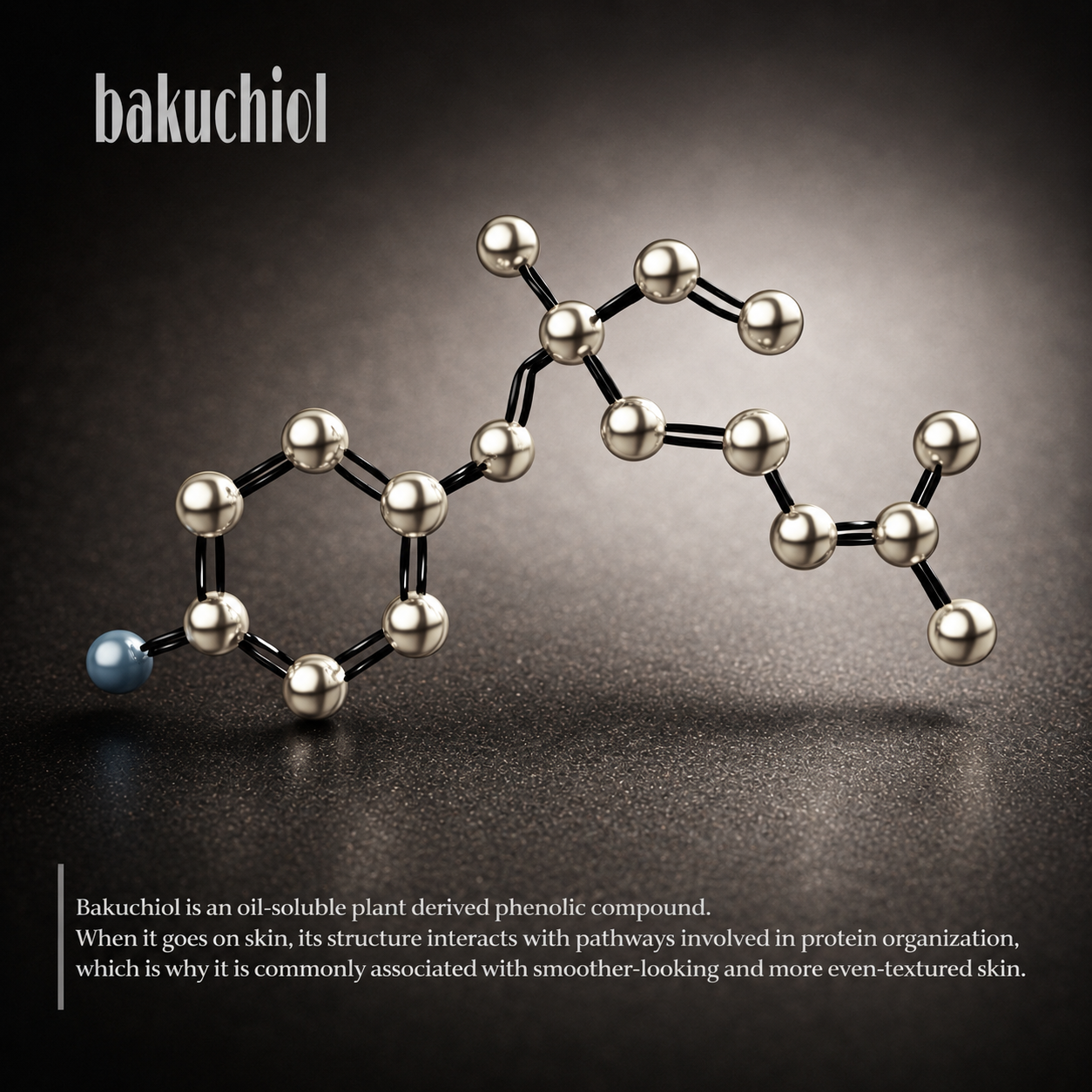
Vitamin C With Bakuchiol
Bakuchiol can be incorporated into oily-skin routines when the vehicle is lightweight and the skin tolerates it.
A simple schedule is:
Morning: vitamin C.
Night: bakuchiol.
This keeps the routine organized by function.
For readers interested in bakuchiol specifically, Elora Clinic’s bakuchiol for oily skin guide explains how formulation texture matters for oily skin.
When a Lightweight Vitamin C Serum Makes the Most Sense
A lightweight formula is especially useful when:
- skin becomes shiny quickly;
- heavy serums feel uncomfortable;
- sunscreen already adds substantial texture;
- makeup tends to slide;
- climate is humid;
- the routine includes multiple steps;
- or the user simply dislikes the sensation of product on the skin.
In these situations, elegance matters.
A formula that feels nearly weightless can make daily application much easier.
When Oily Skin May Need More Than a Lightweight Serum

Not every oily-skin routine should be extremely minimal.
If the skin is also:
- dehydrated;
- irritated;
- peeling;
- over-exfoliated;
- or compromised from acne treatments,
a lightweight serum may need to be paired with a suitable moisturizer.
The goal is not to avoid all richness at all costs.
The goal is to use only as much emollience or occlusion as the skin actually needs.
What Makes Oily Skin Worse While Using Vitamin C
Several routine mistakes can make oily skin feel more difficult to manage.
Over-Cleansing
This can increase tightness and irritation.
Using Too Many Mattifying Products
This can leave the skin uncomfortable without solving underlying sebum production.
Skipping Moisturizer Automatically
Some oily skin still needs moisturizer.
Applying Too Much Serum
This increases tackiness and product buildup.
Layering Too Many Actives
This can trigger irritation.
Skipping Sunscreen Because It Feels Greasy
This undermines photoprotection.
Choosing Products Only by Percentage
This ignores formulation quality.
What to Do Instead
A better oily-skin strategy is:
- use gentle cleansing;
- choose lightweight serum textures;
- apply only the amount needed;
- hydrate when necessary;
- use sunscreen consistently;
- and keep active layering controlled.
That is the practical framework for choosing and using a vitamin c serum for oily skin without turning the routine into a greasy, overloaded, or irritating system.
How to Build a Practical Vitamin C Routine for Oily Skin
The best vitamin C routine for oily skin is usually not the one with the most steps.
It is the one that gives vitamin C a clear role without adding unnecessary weight, residue, or irritation.
For many people, that means using one lightweight antioxidant serum in the morning, then keeping the rest of the routine simple.
A Minimal Morning Routine for Oily Skin
Step 1: Cleanse Gently
Use a cleanser that removes excess oil and overnight residue without leaving the skin tight.
A good cleanser for oily skin should clean effectively without making the face feel stripped.
If the skin feels squeaky, dry, or uncomfortable immediately after washing, the cleanser may be too aggressive.
Step 2: Apply Vitamin C Serum
Apply a thin, even layer of serum.
The Elora Clinic Vitamin C Serum is designed to feel very lightweight on the skin, which makes it easier to use in an oily-skin routine without adding a heavy or greasy layer.
The serum can also be purchased through the Elora Clinic Vitamin C Serum Walmart page.
Its role in the routine is cosmetic antioxidant and brightening support, not medical treatment.
Step 3: Add Moisturizer Only if Your Skin Needs It
Some oily-skin users do well with a lightweight moisturizer.
Others may find that serum plus sunscreen provides enough comfort during the day.
There is no rule that every person must use a heavy moisturizer simply because skincare routines are often presented that way.
The decision should be based on how the skin feels.
If the skin feels:
- tight;
- dehydrated;
- rough;
- or uncomfortable,
a lightweight moisturizer may help.
If the skin already feels comfortable and sunscreen provides adequate hydration, adding another layer may not be necessary.
Step 4: Apply Sunscreen
Sunscreen remains essential.
Vitamin C does not replace photoprotection.
A broad-spectrum sunscreen with SPF 30 or higher can help reduce exposure to ultraviolet radiation that contributes to oxidative stress, visible aging, and pigmentation.
For oily skin, choosing a sunscreen with a lightweight, non-greasy finish can make the entire morning routine more tolerable.
Why Morning Use Is Usually Practical
Vitamin C fits naturally into the morning because antioxidant support complements a daytime routine.
Environmental exposure during the day can include:
- ultraviolet radiation;
- visible light;
- air pollution;
- heat;
- and other oxidative stressors.
Using vitamin C before sunscreen creates a logical sequence:
antioxidant support first, photoprotection second.
The important distinction is that the two steps perform different jobs.
Sunscreen reduces the amount of harmful radiation reaching the skin.
Vitamin C contributes antioxidant activity.
They are complementary, not interchangeable.
What if Vitamin C Makes Oily Skin Feel Sticky?
Stickiness does not necessarily mean the vitamin C itself is the problem.
A serum can feel tacky because of:
- high levels of humectants;
- polymers;
- film-formers;
- excessive application amount;
- incomplete dry-down;
- or interaction with other products.
If a serum pills or feels sticky, first reduce the amount you are applying.
A thin layer is generally enough.
Also consider whether the moisturizer or sunscreen layered on top is contributing to the texture problem.
Does Oily Skin Need to Wait Between Layers?
Usually, only briefly.
You do not need to wait 10 or 20 minutes between every skincare step unless a particular product specifically requires it.
Allow the serum to settle enough that the next product can spread without immediately mixing into a wet layer.
For a lightweight serum, this may take less than a minute.
Long waiting periods are rarely necessary.
Vitamin C and Niacinamide for Oily Skin
Niacinamide is one of the most useful supporting ingredients for oily skin.
Its relevance includes:
- sebum balance;
- barrier function;
- visible pigmentation;
- and hydration retention.
Vitamin C and niacinamide can be used in the same routine if tolerated.
However, oily skin often benefits from reducing unnecessary layers.
A simple split routine may work better:
Morning: vitamin C.
Night: niacinamide.
This keeps each active in a clear role.
The Elora Clinic All About Niacinamide resource provides a broader explanation of how niacinamide fits into daily skincare.

Vitamin C and Hyaluronic Acid for Oily Skin
Hyaluronic acid can make sense when oily skin is also dehydrated.
It does not add oil.
It primarily functions as a humectant.
That means it helps support water content rather than adding a lipid layer.
This distinction is useful because many oily-skin users avoid all hydrating ingredients out of fear that hydration will make them more greasy.
Hydration and oiliness are different.
If your skin feels tight but looks shiny, a lightweight hyaluronic acid serum may actually make the routine feel more balanced.
The Elora Clinic guide to hyaluronic acid for dehydrated skin explains this difference in more detail.
Vitamin C and Aloe Vera
Aloe-based hydration can be useful in oily skin that also feels irritated.
Aloe-containing formulas are often used for lightweight hydration and skin comfort.
They should not be treated as direct treatments for acne or pigmentation.
Their role is supportive.
If vitamin C is part of the treatment-focused side of the routine, aloe can provide hydration without necessarily adding a heavy texture.
The Elora Clinic Aloe Vera Serum can fit into this type of routine when extra hydration is needed.
Vitamin C and Green Tea
Green tea is another antioxidant ingredient that can fit into oily-skin routines.
Green tea contains polyphenols, including catechins such as EGCG, which have been studied for antioxidant and anti-inflammatory properties.
A lightweight green tea formula may be useful when someone wants antioxidant support without another rich layer.
However, there is usually no need to use several antioxidant serums simultaneously.
One well-designed serum can be enough.
Vitamin C With Retinoids
Vitamin C and retinoids can be used within the same overall routine.
A practical structure is:
Morning: vitamin C.
Night: retinoid.
This is often easier than applying both in the same session.
The main concern is not a dangerous chemical incompatibility.
The concern is irritation.
If the skin becomes red, flaky, or uncomfortable, reduce the frequency of strong actives.
Vitamin C With Salicylic Acid
Salicylic acid is commonly used in oily and acne-prone skincare because it is lipid-soluble and can penetrate into the follicular environment.
It can be useful for congestion.
But using salicylic acid alongside an acidic vitamin C formula may be irritating for some users.
A good strategy is to separate them.
For example:
Morning: vitamin C.
Night: salicylic acid on selected nights.
This reduces cumulative acid exposure.
Vitamin C With Glycolic Acid
Glycolic acid exfoliates by reducing cohesion between corneocytes.
That can improve surface texture and help with some forms of visible pigmentation.
But it also increases the risk of over-exfoliation when used too frequently.
If vitamin C already stings, adding frequent glycolic acid can make tolerance worse.
A better approach is to rotate.
For example:
Monday: vitamin C morning, simple night.
Tuesday: vitamin C morning, glycolic acid night.
Wednesday: vitamin C morning, hydration-focused night.
This gives the skin more recovery time.
Vitamin C With Bakuchiol
Bakuchiol is chemically distinct from retinol but is often used in routines focused on visible aging and texture.
For oily skin, the main question is the vehicle.
A bakuchiol product in a heavy oil base may feel too rich for some users.
A lighter formulation may fit better.
Vitamin C and bakuchiol can be separated across morning and night.
The Elora Clinic guide to bakuchiol for oily skin goes deeper into texture and compatibility for this skin type.
Vitamin C With Peptides
Peptides can be incorporated into the same routine as vitamin C.
They are often used in products focused on skin appearance, hydration, and visible aging.
The idea that all peptides are automatically destroyed by vitamin C is too simplistic.
Different peptides have different structures and stability characteristics.
However, if the routine becomes crowded, separating products can still make sense for practical reasons.
For example:
Morning: vitamin C.
Night: peptide serum.
The Elora Clinic All About Peptides resource provides a broader explanation of peptide-focused skincare.
Vitamin C and Sunscreen: Why the Combination Matters
Vitamin C should not be thought of as an alternative to sunscreen.
Sunscreen acts primarily by reducing ultraviolet radiation reaching the skin.
Vitamin C contributes to antioxidant defense.
That distinction is important because oily-skin users sometimes skip sunscreen if it makes their face feel greasy.
This is usually a texture problem, not a reason to abandon sun protection.
A lightweight serum plus a lightweight sunscreen can be a better strategy than using a heavy antioxidant moisturizer and a rich sunscreen together.
Advanced Routine Strategy for Oily Skin
A more advanced routine can still remain simple.
Morning
- Gentle cleanser.
- Lightweight vitamin C serum.
- Optional niacinamide or hydration serum if needed.
- Lightweight moisturizer if needed.
- Sunscreen.
Night A: Treatment Night
- Cleanser.
- Retinoid or exfoliant.
- Moisturizer.
Night B: Support Night
- Cleanser.
- Niacinamide or hydration serum.
- Moisturizer.
Night C: Recovery Night
- Cleanser.
- Hydrating serum.
- Moisturizer.
This type of rotation prevents the routine from becoming overloaded.
How Many Serums Should Oily Skin Use at Once?

Usually one or two.
There is rarely a practical reason to apply:
- vitamin C;
- niacinamide;
- hyaluronic acid;
- glutathione;
- peptides;
- and green tea
all in one morning.
Even if each ingredient is individually useful, the combined routine may become:
- sticky;
- heavy;
- redundant;
- difficult to layer;
- or more irritating.
The Elora Clinic guide to how many serums to use in a skincare routine explains how to simplify serum stacking.
What to Do if Oily Skin Starts Peeling
Peeling is a sign that the routine should be reassessed.
Possible causes include:
- retinoid overuse;
- exfoliating acid overuse;
- harsh cleansing;
- low-pH vitamin C;
- or cumulative irritation.
What to stop:
Temporarily reduce strong actives.
What to use instead:
- gentle cleanser;
- hydration;
- moisturizer;
- sunscreen.
Do not assume peeling means the routine is “working harder.”
What to Do if Oily Skin Starts Burning
Persistent burning is not normal.
A brief mild sensation can happen with some acidic formulas, but ongoing burning is a sign to stop and evaluate the routine.
Possible reasons include:
- compromised barrier;
- active overload;
- product sensitivity;
- or a formulation that does not suit the skin.
The Elora Clinic guide to why vitamin C serum can burn the skin explains this problem in more detail.
What to Do if Skin Gets Oilier After Adding Vitamin C
The vitamin C molecule itself is unlikely to suddenly increase sebum because it is “oily.”
Instead, consider:
- whether the serum contains a rich vehicle;
- whether you added a heavier moisturizer at the same time;
- whether the sunscreen is greasy;
- whether humidity increased;
- or whether you are over-applying product.
Evaluate the whole routine.
What to Do if Skin Breaks Out After Starting Vitamin C
Do not automatically assume purging.
Vitamin C is not primarily a turnover-accelerating ingredient.
New breakouts may be related to:
- another ingredient in the formula;
- heavy occlusion;
- changes in cleansing;
- another new product;
- hormonal changes;
- or coincidental acne.
If breakouts consistently appear after using the serum, stop and reassess.
Real-Life Scenario: Your Face Looks Shiny but Feels Tight
What you are experiencing:
Oily appearance with uncomfortable tightness.
What it probably means:
Your skin may be oily and dehydrated at the same time.
What to stop:
- harsh cleansers;
- frequent washing;
- alcohol-heavy products.
What to use instead:
- gentle cleanser;
- lightweight vitamin C serum;
- humectant-based hydration;
- lightweight moisturizer if needed.
Real-Life Scenario: Vitamin C Feels Fine Until You Apply Sunscreen
What you are experiencing:
The serum alone feels lightweight, but the full routine becomes greasy.
What it probably means:
The issue may be cumulative layering rather than the serum alone.
What to stop:
Avoid automatically adding several unnecessary layers.
What to use instead:
Try:
- vitamin C;
- sunscreen;
- skip moisturizer if the skin remains comfortable and the sunscreen provides enough hydration.
Real-Life Scenario: Makeup Pills Over Your Vitamin C Serum
What you are experiencing:
Foundation or sunscreen rolls into small particles.
What it probably means:
Too much product or incompatible film-forming ingredients may be interacting.
What to stop:
Do not keep adding more product to fix the texture.
What to use instead:
- reduce serum amount;
- reduce number of layers;
- allow the serum to settle briefly before sunscreen;
- evaluate whether one of the formulas contains heavy film-formers.
Real-Life Scenario: Your Oily Skin Becomes Red After Vitamin C
What you are experiencing:
Redness or stinging after application.
What it probably means:
The formula may be too acidic or your barrier may be compromised.
What to stop:
Pause strong exfoliants and avoid forcing daily use.
What to use instead:
Focus temporarily on hydration and barrier support.
Real-Life Scenario: You Have Oily Skin but No Acne
What you are experiencing:
High shine without significant breakouts.
What it probably means:
Your main concern is sebum and texture rather than acne pathology.
What to stop:
Avoid unnecessarily harsh acne treatments.
What to use instead:
A simple routine with lightweight vitamin C, moisturizer if needed, and sunscreen may be enough.
The best vitamin c serum for oily skin should fit naturally into this kind of routine: lightweight enough to remain comfortable, scientifically well formulated, and simple enough to use consistently without turning the skin into a stack of competing products.
How to Build a Practical Vitamin C Routine for Oily Skin
The best vitamin C routine for oily skin is usually not the one with the most steps.
It is the one that gives vitamin C a clear role without adding unnecessary weight, residue, or irritation.
For many people, that means using one lightweight antioxidant serum in the morning, then keeping the rest of the routine simple.
A Minimal Morning Routine for Oily Skin
Step 1: Cleanse Gently
Use a cleanser that removes excess oil and overnight residue without leaving the skin tight.
A good cleanser for oily skin should clean effectively without making the face feel stripped.
If the skin feels squeaky, dry, or uncomfortable immediately after washing, the cleanser may be too aggressive.
Step 2: Apply Vitamin C Serum
Apply a thin, even layer of serum.
The Elora Clinic Vitamin C Serum is designed to feel very lightweight on the skin, which makes it easier to use in an oily-skin routine without adding a heavy or greasy layer.
The serum can also be purchased through the Elora Clinic Vitamin C Serum Walmart page.
Its role in the routine is cosmetic antioxidant and brightening support, not medical treatment.
Step 3: Add Moisturizer Only if Your Skin Needs It
Some oily-skin users do well with a lightweight moisturizer.
Others may find that serum plus sunscreen provides enough comfort during the day.
There is no rule that every person must use a heavy moisturizer simply because skincare routines are often presented that way.
The decision should be based on how the skin feels.
If the skin feels:
- tight;
- dehydrated;
- rough;
- or uncomfortable,
a lightweight moisturizer may help.
If the skin already feels comfortable and sunscreen provides adequate hydration, adding another layer may not be necessary.
Step 4: Apply Sunscreen
Sunscreen remains essential.
Vitamin C does not replace photoprotection.
A broad-spectrum sunscreen with SPF 30 or higher can help reduce exposure to ultraviolet radiation that contributes to oxidative stress, visible aging, and pigmentation.
For oily skin, choosing a sunscreen with a lightweight, non-greasy finish can make the entire morning routine more tolerable.
Why Morning Use Is Usually Practical
Vitamin C fits naturally into the morning because antioxidant support complements a daytime routine.
Environmental exposure during the day can include:
- ultraviolet radiation;
- visible light;
- air pollution;
- heat;
- and other oxidative stressors.
Using vitamin C before sunscreen creates a logical sequence:
antioxidant support first, photoprotection second.
The important distinction is that the two steps perform different jobs.
Sunscreen reduces the amount of harmful radiation reaching the skin.
Vitamin C contributes antioxidant activity.
They are complementary, not interchangeable.
What if Vitamin C Makes Oily Skin Feel Sticky?
Stickiness does not necessarily mean the vitamin C itself is the problem.
A serum can feel tacky because of:
- high levels of humectants;
- polymers;
- film-formers;
- excessive application amount;
- incomplete dry-down;
- or interaction with other products.
If a serum pills or feels sticky, first reduce the amount you are applying.
A thin layer is generally enough.
Also consider whether the moisturizer or sunscreen layered on top is contributing to the texture problem.

Does Oily Skin Need to Wait Between Layers?
Usually, only briefly.
You do not need to wait 10 or 20 minutes between every skincare step unless a particular product specifically requires it.
Allow the serum to settle enough that the next product can spread without immediately mixing into a wet layer.
For a lightweight serum, this may take less than a minute.
Long waiting periods are rarely necessary.
Vitamin C and Niacinamide for Oily Skin
Niacinamide is one of the most useful supporting ingredients for oily skin.
Its relevance includes:
- sebum balance;
- barrier function;
- visible pigmentation;
- and hydration retention.
Vitamin C and niacinamide can be used in the same routine if tolerated.
However, oily skin often benefits from reducing unnecessary layers.
A simple split routine may work better:
Morning: vitamin C.
Night: niacinamide.
This keeps each active in a clear role.
The Elora Clinic All About Niacinamide resource provides a broader explanation of how niacinamide fits into daily skincare.
Vitamin C and Hyaluronic Acid for Oily Skin
Hyaluronic acid can make sense when oily skin is also dehydrated.
It does not add oil.
It primarily functions as a humectant.
That means it helps support water content rather than adding a lipid layer.
This distinction is useful because many oily-skin users avoid all hydrating ingredients out of fear that hydration will make them more greasy.
Hydration and oiliness are different.
If your skin feels tight but looks shiny, a lightweight hyaluronic acid serum may actually make the routine feel more balanced.
The Elora Clinic guide to hyaluronic acid for dehydrated skin explains this difference in more detail.
Vitamin C and Aloe Vera
Aloe-based hydration can be useful in oily skin that also feels irritated.
Aloe-containing formulas are often used for lightweight hydration and skin comfort.
They should not be treated as direct treatments for acne or pigmentation.
Their role is supportive.
If vitamin C is part of the treatment-focused side of the routine, aloe can provide hydration without necessarily adding a heavy texture.
The Elora Clinic Aloe Vera Serum can fit into this type of routine when extra hydration is needed.
Vitamin C and Green Tea
Green tea is another antioxidant ingredient that can fit into oily-skin routines.
Green tea contains polyphenols, including catechins such as EGCG, which have been studied for antioxidant and anti-inflammatory properties.
A lightweight green tea formula may be useful when someone wants antioxidant support without another rich layer.
However, there is usually no need to use several antioxidant serums simultaneously.
One well-designed serum can be enough.
Vitamin C With Retinoids
Vitamin C and retinoids can be used within the same overall routine.
A practical structure is:
Morning: vitamin C.
Night: retinoid.
This is often easier than applying both in the same session.
The main concern is not a dangerous chemical incompatibility.
The concern is irritation.
If the skin becomes red, flaky, or uncomfortable, reduce the frequency of strong actives.
Vitamin C With Salicylic Acid
Salicylic acid is commonly used in oily and acne-prone skincare because it is lipid-soluble and can penetrate into the follicular environment.
It can be useful for congestion.
But using salicylic acid alongside an acidic vitamin C formula may be irritating for some users.
A good strategy is to separate them.
For example:
Morning: vitamin C.
Night: salicylic acid on selected nights.
This reduces cumulative acid exposure.
Vitamin C With Glycolic Acid
Glycolic acid exfoliates by reducing cohesion between corneocytes.
That can improve surface texture and help with some forms of visible pigmentation.
But it also increases the risk of over-exfoliation when used too frequently.
If vitamin C already stings, adding frequent glycolic acid can make tolerance worse.
A better approach is to rotate.
For example:
Monday: vitamin C morning, simple night.
Tuesday: vitamin C morning, glycolic acid night.
Wednesday: vitamin C morning, hydration-focused night.
This gives the skin more recovery time.
Vitamin C With Bakuchiol
Bakuchiol is chemically distinct from retinol but is often used in routines focused on visible aging and texture.
For oily skin, the main question is the vehicle.
A bakuchiol product in a heavy oil base may feel too rich for some users.
A lighter formulation may fit better.
Vitamin C and bakuchiol can be separated across morning and night.
The Elora Clinic guide to bakuchiol for oily skin goes deeper into texture and compatibility for this skin type.
Vitamin C With Peptides
Peptides can be incorporated into the same routine as vitamin C.
They are often used in products focused on skin appearance, hydration, and visible aging.
The idea that all peptides are automatically destroyed by vitamin C is too simplistic.
Different peptides have different structures and stability characteristics.
However, if the routine becomes crowded, separating products can still make sense for practical reasons.
For example:
Morning: vitamin C.
Night: peptide serum.
The Elora Clinic All About Peptides resource provides a broader explanation of peptide-focused skincare.
Vitamin C and Sunscreen: Why the Combination Matters
Vitamin C should not be thought of as an alternative to sunscreen.
Sunscreen acts primarily by reducing ultraviolet radiation reaching the skin.
Vitamin C contributes to antioxidant defense.
That distinction is important because oily-skin users sometimes skip sunscreen if it makes their face feel greasy.
This is usually a texture problem, not a reason to abandon sun protection.
A lightweight serum plus a lightweight sunscreen can be a better strategy than using a heavy antioxidant moisturizer and a rich sunscreen together.
Advanced Routine Strategy for Oily Skin
A more advanced routine can still remain simple.
Morning
- Gentle cleanser.
- Lightweight vitamin C serum.
- Optional niacinamide or hydration serum if needed.
- Lightweight moisturizer if needed.
- Sunscreen.
Night A: Treatment Night
- Cleanser.
- Retinoid or exfoliant.
- Moisturizer.
Night B: Support Night
- Cleanser.
- Niacinamide or hydration serum.
- Moisturizer.
Night C: Recovery Night
- Cleanser.
- Hydrating serum.
- Moisturizer.
This type of rotation prevents the routine from becoming overloaded.
How Many Serums Should Oily Skin Use at Once?
Usually one or two.
There is rarely a practical reason to apply:
- vitamin C;
- niacinamide;
- hyaluronic acid;
- glutathione;
- peptides;
- and green tea
all in one morning.
Even if each ingredient is individually useful, the combined routine may become:
- sticky;
- heavy;
- redundant;
- difficult to layer;
- or more irritating.
The Elora Clinic guide to how many serums to use in a skincare routine explains how to simplify serum stacking.
What to Do if Oily Skin Starts Peeling

Peeling is a sign that the routine should be reassessed.
Possible causes include:
- retinoid overuse;
- exfoliating acid overuse;
- harsh cleansing;
- low-pH vitamin C;
- or cumulative irritation.
What to stop:
Temporarily reduce strong actives.
What to use instead:
- gentle cleanser;
- hydration;
- moisturizer;
- sunscreen.
Do not assume peeling means the routine is “working harder.”
What to Do if Oily Skin Starts Burning
Persistent burning is not normal.
A brief mild sensation can happen with some acidic formulas, but ongoing burning is a sign to stop and evaluate the routine.
Possible reasons include:
- compromised barrier;
- active overload;
- product sensitivity;
- or a formulation that does not suit the skin.
The Elora Clinic guide to why vitamin C serum can burn the skin explains this problem in more detail.
What to Do if Skin Gets Oilier After Adding Vitamin C
The vitamin C molecule itself is unlikely to suddenly increase sebum because it is “oily.”
Instead, consider:
- whether the serum contains a rich vehicle;
- whether you added a heavier moisturizer at the same time;
- whether the sunscreen is greasy;
- whether humidity increased;
- or whether you are over-applying product.
Evaluate the whole routine.
What to Do if Skin Breaks Out After Starting Vitamin C
Do not automatically assume purging.
Vitamin C is not primarily a turnover-accelerating ingredient.
New breakouts may be related to:
- another ingredient in the formula;
- heavy occlusion;
- changes in cleansing;
- another new product;
- hormonal changes;
- or coincidental acne.
If breakouts consistently appear after using the serum, stop and reassess.
Real-Life Scenario: Your Face Looks Shiny but Feels Tight
What you are experiencing:
Oily appearance with uncomfortable tightness.
What it probably means:
Your skin may be oily and dehydrated at the same time.
What to stop:
- harsh cleansers;
- frequent washing;
- alcohol-heavy products.
What to use instead:
- gentle cleanser;
- lightweight vitamin C serum;
- humectant-based hydration;
- lightweight moisturizer if needed.
Real-Life Scenario: Vitamin C Feels Fine Until You Apply Sunscreen
What you are experiencing:
The serum alone feels lightweight, but the full routine becomes greasy.
What it probably means:
The issue may be cumulative layering rather than the serum alone.
What to stop:
Avoid automatically adding several unnecessary layers.
What to use instead:
Try:
- vitamin C;
- sunscreen;
- skip moisturizer if the skin remains comfortable and the sunscreen provides enough hydration.
Real-Life Scenario: Makeup Pills Over Your Vitamin C Serum
What you are experiencing:
Foundation or sunscreen rolls into small particles.
What it probably means:
Too much product or incompatible film-forming ingredients may be interacting.
What to stop:
Do not keep adding more product to fix the texture.
What to use instead:
- reduce serum amount;
- reduce number of layers;
- allow the serum to settle briefly before sunscreen;
- evaluate whether one of the formulas contains heavy film-formers.
Real-Life Scenario: Your Oily Skin Becomes Red After Vitamin C
What you are experiencing:
Redness or stinging after application.
What it probably means:
The formula may be too acidic or your barrier may be compromised.
What to stop:
Pause strong exfoliants and avoid forcing daily use.
What to use instead:
Focus temporarily on hydration and barrier support.
Real-Life Scenario: You Have Oily Skin but No Acne

What you are experiencing:
High shine without significant breakouts.
What it probably means:
Your main concern is sebum and texture rather than acne pathology.
What to stop:
Avoid unnecessarily harsh acne treatments.
What to use instead:
A simple routine with lightweight vitamin C, moisturizer if needed, and sunscreen may be enough.
The best vitamin c serum for oily skin should fit naturally into this kind of routine: lightweight enough to remain comfortable, scientifically well formulated, and simple enough to use consistently without turning the skin into a stack of competing products.