





















Vitamin C Serum for Normal Skin: Is It Worth Adding?
A vitamin C serum for normal skin is an optional step for an appearance-focused goal, such as dullness or uneven-looking tone. If your skin already feels comfortable and your routine works, you do not need to add a serum simply because it is popular. The useful question is whether the particular formula offers something you want without making your routine less comfortable, affordable or consistent.
“Normal” is a skincare description, not a promise that your skin can tolerate every active ingredient. Start with a specific goal, compare the whole formula, and introduce one change at a time. A higher percentage or a longer routine is not automatically a better choice.
An optional product to compare
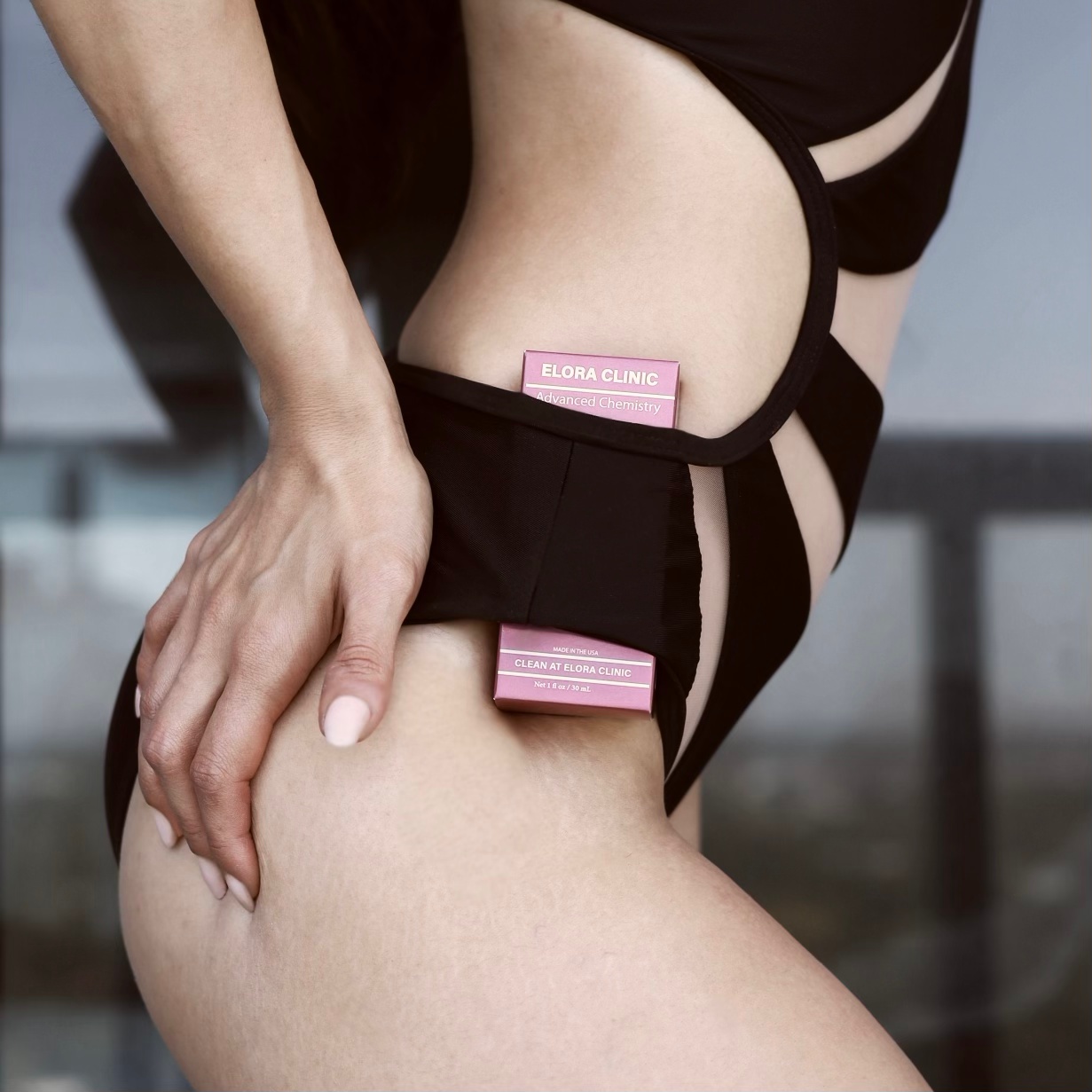
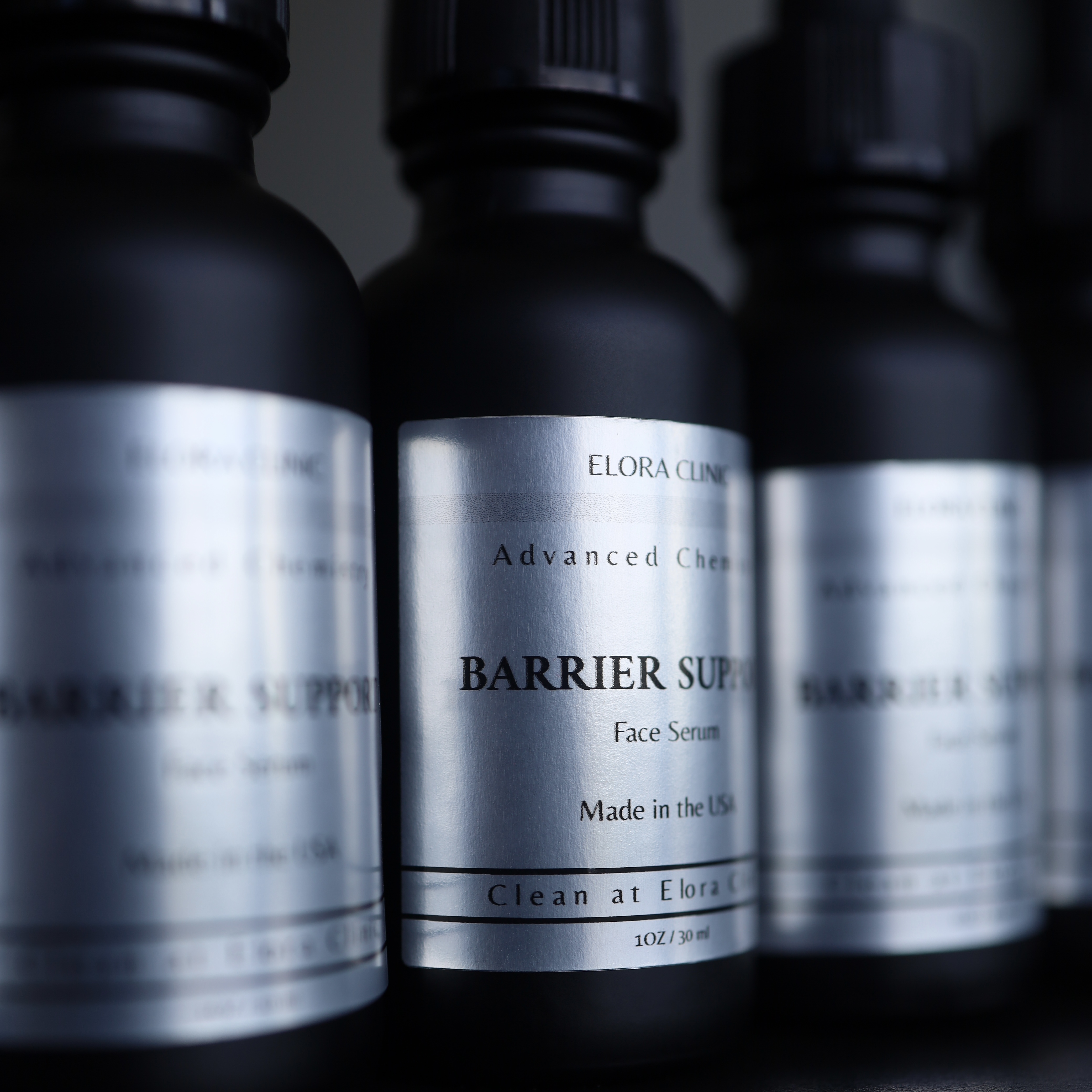
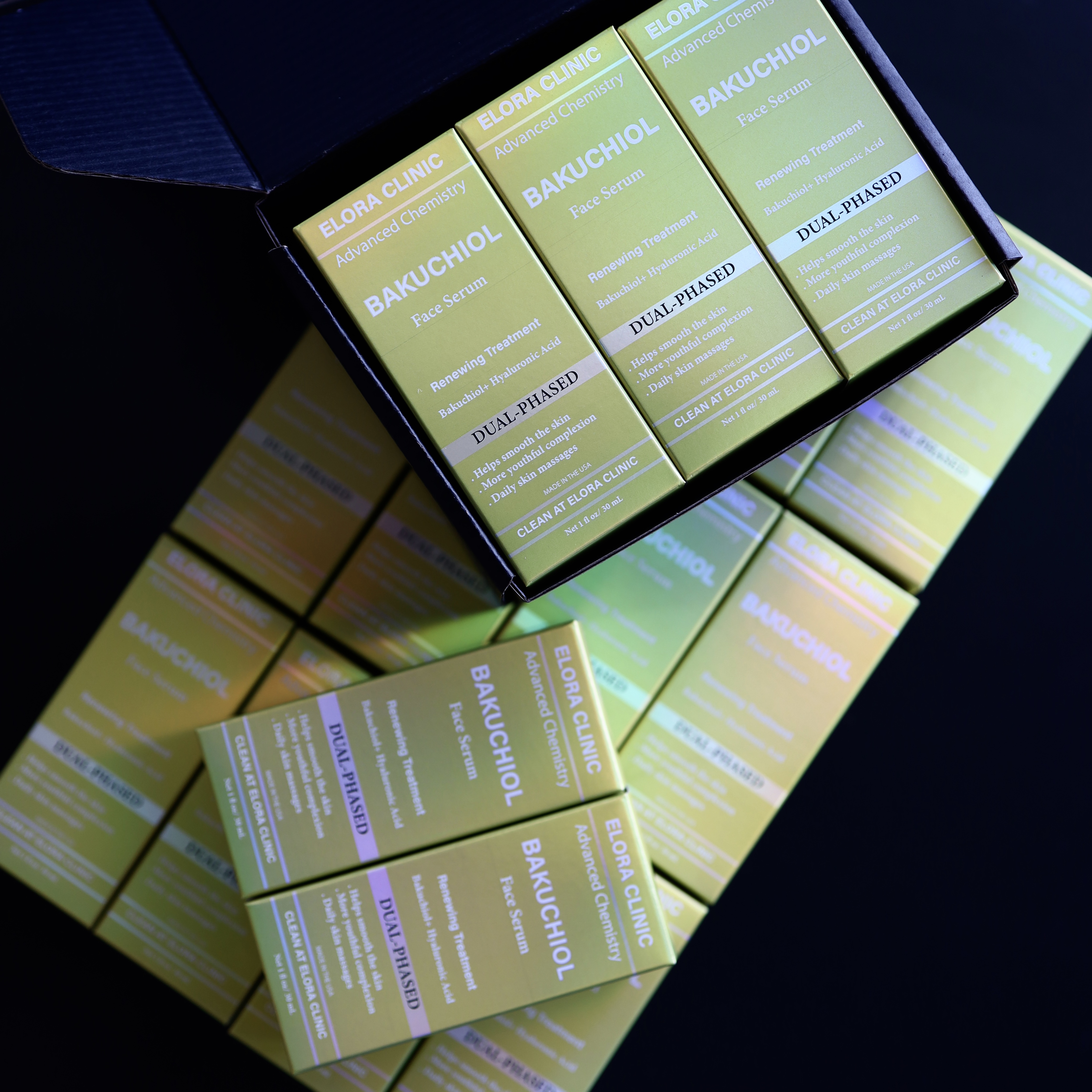
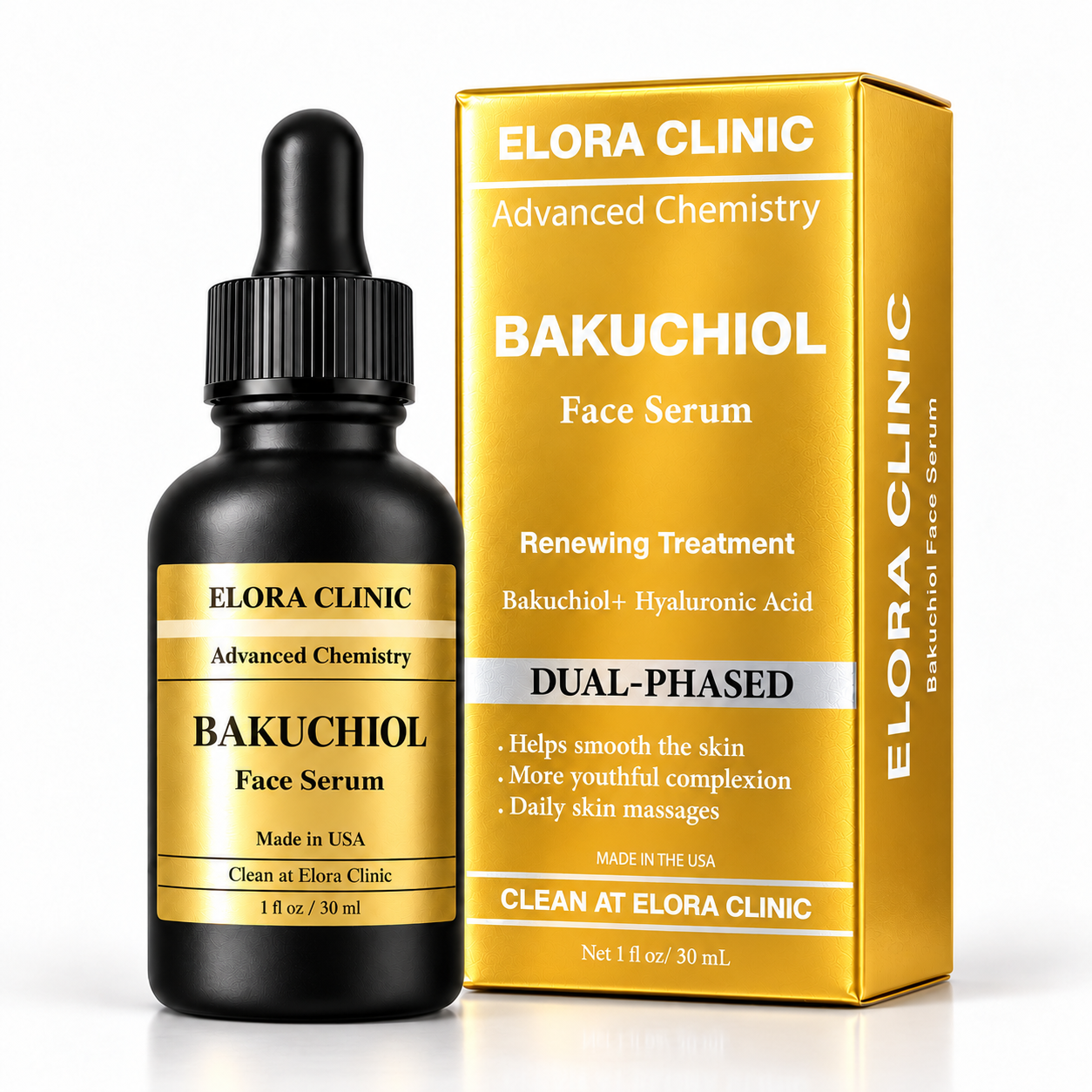
Elora Clinic Vitamin C Face Serum is a water-based cosmetic serum offered for brighter-looking skin and hydration. Review its current ingredient declaration and directions when comparing it with your existing products. You can also review the Elora Clinic Vitamin C Serum listing on Walmart; use your own package for the current formula and instructions. This guide does not establish that the finished serum is clinically proven, noncomedogenic or suitable for every person with normal skin.
The ingredient name on the front of a bottle is only one part of the decision. Texture, supporting ingredients, packaging and how the serum fits beside your moisturizer and sunscreen matter too. If you already like your routine, an additional product should earn its place rather than displace a useful step.

What does normal skin mean here?
The American Academy of Dermatology’s simple skincare guidance describes normal skin as clear and not sensitive. In everyday product selection, the term often refers to skin without a persistent dry or oily feel. It is not a diagnosis or a permanent category.
Pay attention to your present experience. A face that usually feels comfortable may become tight during colder weather or uncomfortable after a new product. Those changes are more useful than insisting that a bottle labeled “for normal skin” must be right for you. Persistent burning, redness or a rash deserves assessment rather than a stronger serum.
Normal skin also does not mean flawless skin. Visible pores, occasional uneven tone and expression lines are not reasons to keep increasing the number of products you use. Decide which concern actually matters to you before comparing promises on the shelf.
Do you need a vitamin C serum for normal skin?
No. A serum is an addition to a routine, not a requirement for a skin type. Cleansing, moisturizing and sun protection can form a straightforward foundation. Consider vitamin C if you have a clear cosmetic goal and want to try an extra step while keeping those basics consistent.
A useful decision is specific: “I would like my complexion to look less dull” is more practical than “I need every antioxidant.” If your main problem is uncomfortable dryness, persistent acne or a new rash, a general vitamin C purchase may not address the reason you are shopping.
| Your situation | A practical decision |
|---|---|
| Skin feels comfortable and you are happy with its appearance | Keep the routine that works; adding vitamin C is optional. |
| You want to explore a cosmetic brightness step | Compare formulas and introduce one product cautiously. |
| Your routine is already expensive or difficult to maintain | Simplify before adding another bottle. |
| You have persistent stinging, redness or a rash | Pause the suspected trigger and seek suitable advice rather than experimenting with another active. |
| You mainly want more sun protection | Choose and use sunscreen appropriately; a cosmetic serum does not replace it. |

What can the research tell you, and what can it not?
Topical vitamin C has been studied for visible signs of photodamage, but study results belong to the tested formulation and setting. They do not show that every serum will improve already-comfortable normal skin or that a particular derivative performs like pure ascorbic acid.
For example, a randomized, double-blind study published in 2003 compared a 5% vitamin C cream with its vehicle over six months on photoaged low-neck and arm skin. The study reported improvements in assessed photodamage measures. That is useful evidence for the specific cream and study conditions; it is not a test of Elora Clinic’s serum or a prediction of your facial results.
This distinction changes how to shop. Ask whether evidence concerns the finished product, an individual ingredient, a different vitamin C form or a different application site. A laboratory explanation can help you understand a formulation, but it does not establish a personal result or a guaranteed timeline.
The vitamin C education hub separates ingredient questions from routine questions. For a closer look at why the form matters, the THD ascorbate guide discusses a different derivative. Its evidence should not be transferred to a formula that does not use that ingredient.

How to compare a serum without chasing the strongest number
Check the vitamin C form
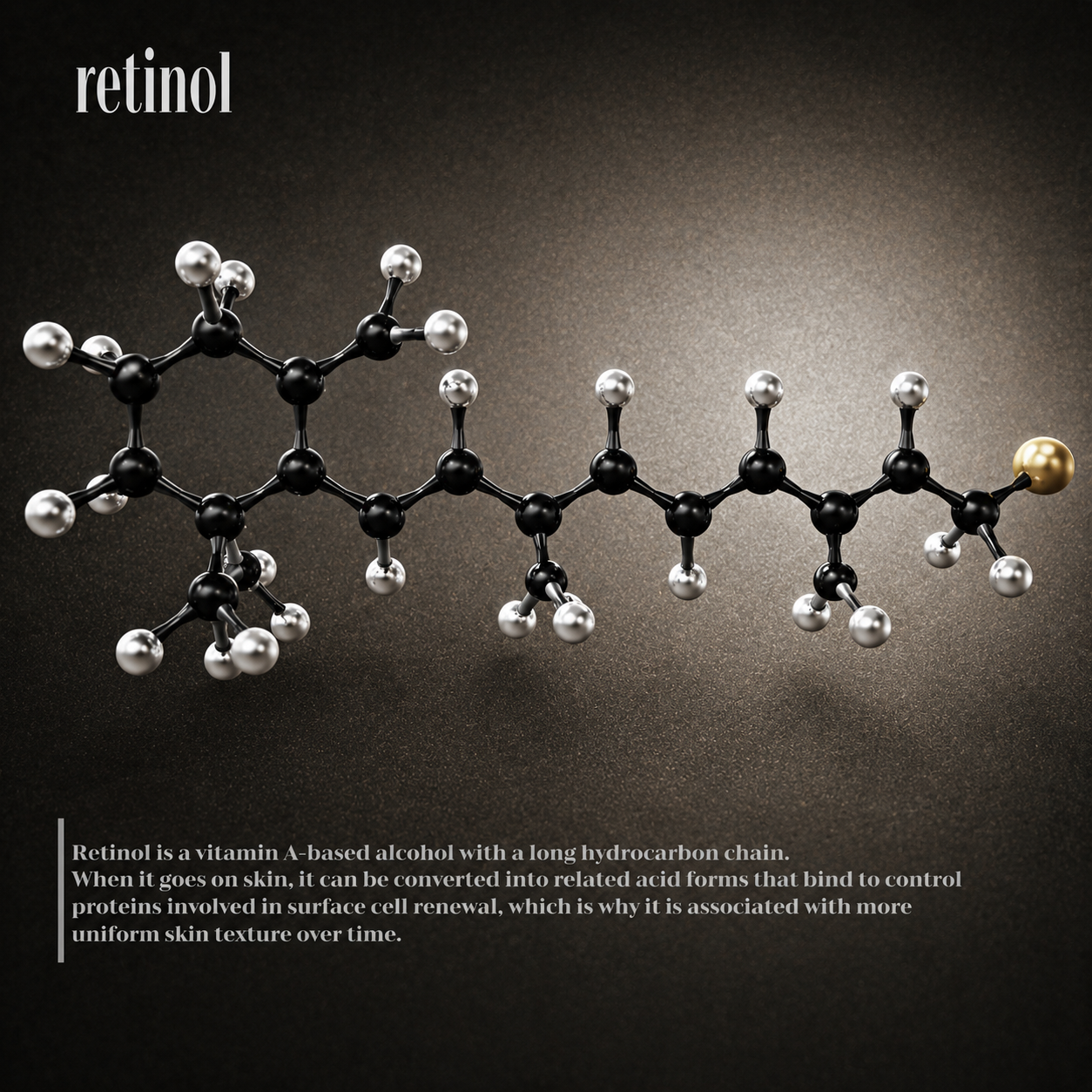
“Ascorbic acid” and a named vitamin C derivative are different ingredients. A percentage is meaningful only when you know what it describes. A percentage of a supplier mixture, for example, should not automatically be read as the same percentage of pure vitamin C.
Do not choose a concentration merely because your skin is described as normal. The formula’s pH, delivery system and other ingredients also influence its behavior, and these details cannot all be inferred from the front label. If information is unclear, ask the manufacturer rather than filling the gap with assumptions.
Choose a texture you will actually use
A serum that feels pleasant alone can behave differently under your usual moisturizer or sunscreen. Consider whether it leaves an unwanted film, feels sticky or makes layering awkward. These are practical fit questions, not proof that the product is more or less effective.
Water-based does not automatically mean irritation-free, and an oil-containing formula is not automatically unsuitable. If your skin has become consistently oily, the existing vitamin C guide for oily skin addresses that more specific selection problem.
Read directions and storage information
Check the intended area, amount, frequency and storage guidance. Do not assume every vitamin C product should be used twice daily or kept in a refrigerator. Follow the instructions for the bottle you own.
Keep track of when you opened it and notice unexpected changes. The guide to vitamin C serum expiry explains why an expiry date, storage history and formula-specific changes belong in the same decision. Color alone is not a universal strength or safety test.

How to introduce it while keeping your routine simple
Before full-face use, follow the AAD’s small-area product-testing advice. It recommends applying a product to a small test spot twice daily for seven to ten days, leaving it on for its normal intended duration. Check the product’s directions and seek advice if they conflict with that general method. This home check is different from medical patch testing and cannot guarantee that later use will never cause a reaction.
When you introduce the serum, keep your familiar cleanser, moisturizer and sunscreen unchanged if they suit you. This makes an unwanted change easier to trace. Follow the serum’s labeled amount and frequency; there is no need to add another active in the same week to make the trial more impressive.
A simple morning example is cleansing, the optional serum as directed, moisturizer if needed, and sunscreen. Use the order specified by the particular products when it differs. The guide to when to use vitamin C serum discusses timing in more detail without making morning use compulsory for every formula.
Choose sunscreen with broad-spectrum protection, SPF 30 or higher and water resistance, and follow its application and reapplication directions. Do not mix serum into sunscreen or reduce the sunscreen amount because your serum contains an antioxidant.
Decide whether the extra step is worthwhile
Judge comfort and usability separately from appearance. A serum can layer well without producing a visible change you value. Conversely, a product that repeatedly stings is not worth forcing into a comfortable routine just because its marketing is persuasive.
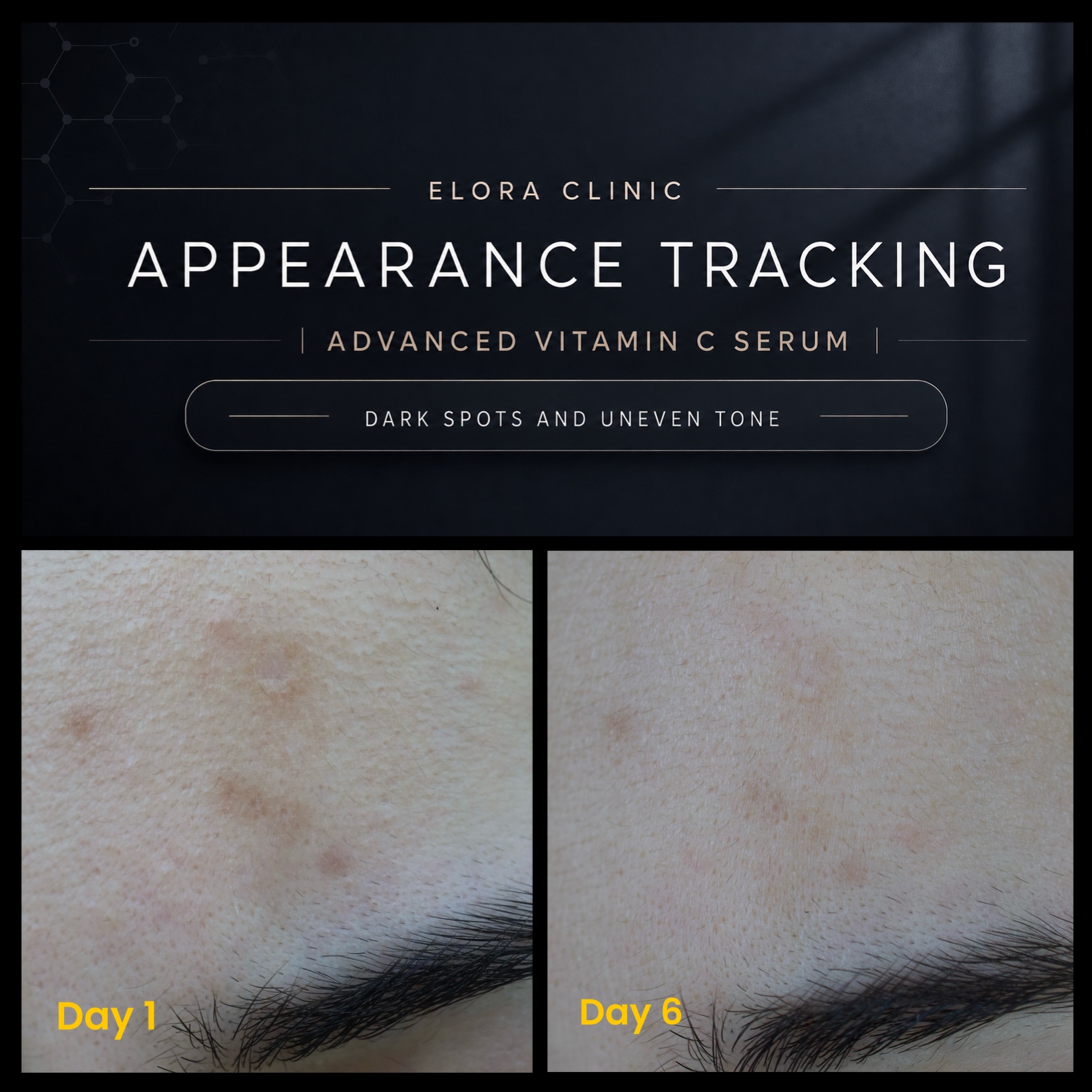
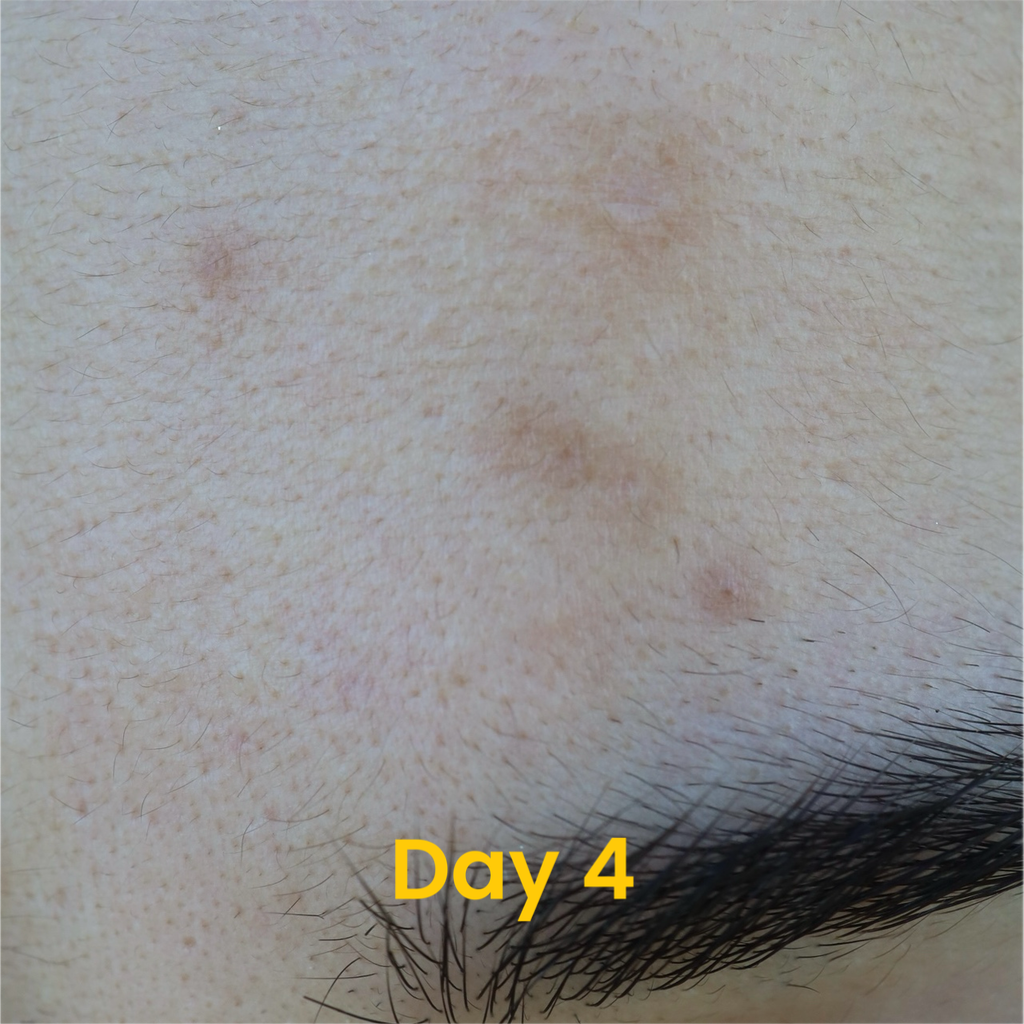
If you want to compare appearance over time, use similar lighting and avoid changing several products at once. This is a practical personal record, not a clinical test: weather, sun exposure and other factors can still affect what you see. There is no fixed number of days that proves a serum worked for everyone.
Customer reviews can help with texture and packaging questions. Read Elora Clinic customer experiences with that purpose in mind, rather than treating someone else’s result as a guarantee. You can also learn about Elora Ellis and the brand’s formulation perspective.

What if normal skin starts reacting?
Stop a new product if it produces a rash, significant burning, itching or swelling. The AAD’s advice for skincare reactions includes gently washing off the product and seeking dermatologic help when a reaction is severe or does not settle with basic care. Do not deliberately repeat a significant reaction to prove which ingredient caused it.
If the change is new spots rather than a rash, the separate guide Can vitamin C serum cause acne? helps organize that question. Do not automatically call worsening skin “purging” or keep escalating strength. Seek prompt medical help for severe symptoms, and emergency care for breathing difficulty or swelling of the lips, tongue or throat.
Final Takeaway
Choosing a vitamin C serum for normal skin starts with a goal, not a requirement. Keep the routine that already supports your comfort, compare the complete formula and make one change at a time. An optional serum can be worth exploring for an appearance-focused preference, but it should fit around reliable moisturizing and sun protection rather than make skincare more complicated or less comfortable.