

















Does Vitamin C Serum Expire? A Guide to Dates, Storage, and Replacement
Does vitamin C serum expire? Yes. A serum has a limited usable life, even when there is no obvious date on the bottle. Follow the manufacturer’s shelf-life and after-opening instructions. Do not use color alone to decide whether an old bottle is safe, and do not assume that an unopened serum lasts indefinitely.
The useful question is usually more specific: can you keep using the bottle you own? To answer it, gather the product name, batch code, opening date, storage history, and any changes in smell or texture. Those details are more informative than a universal rule that every vitamin C serum lasts three, six, or twelve months.
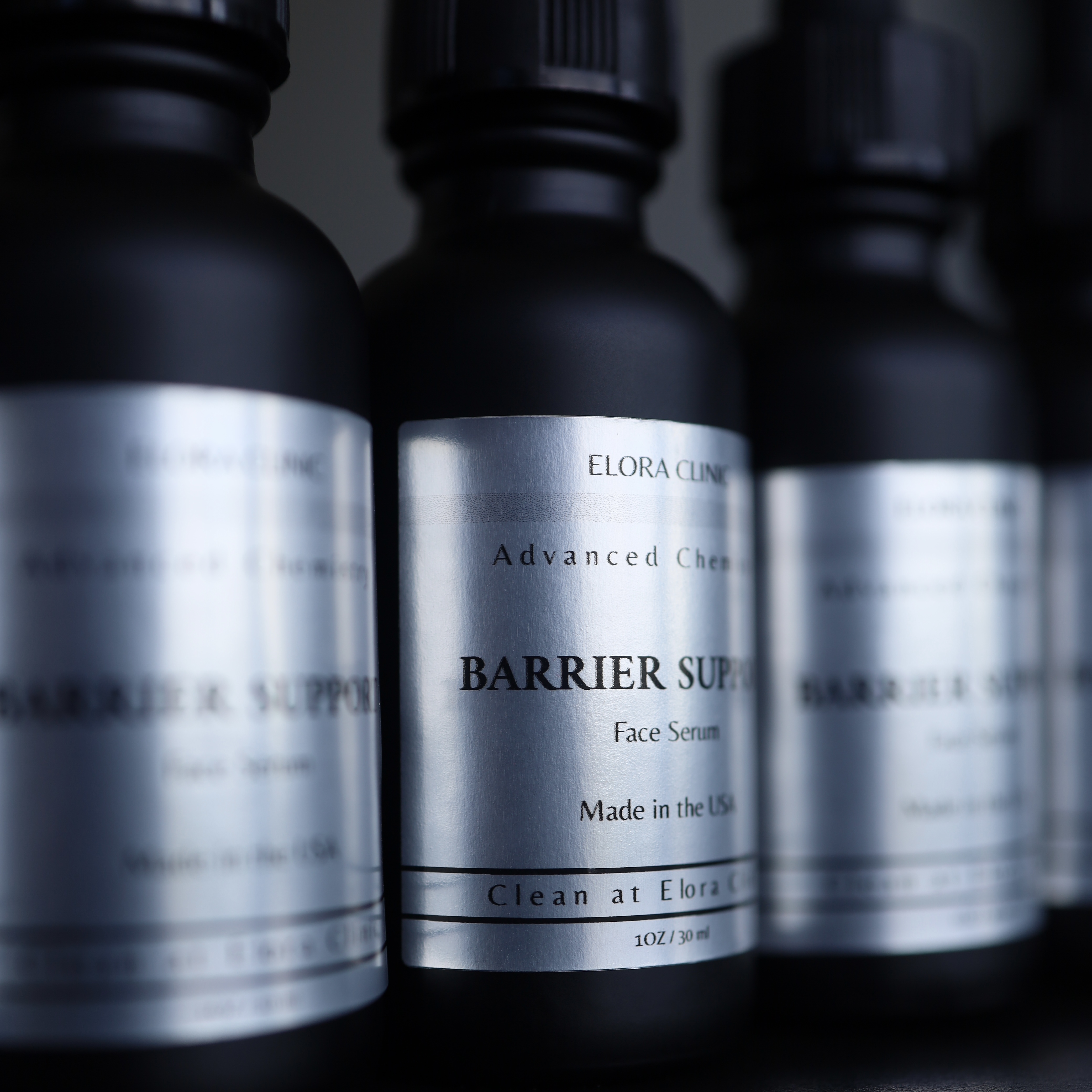
Elora Clinic Advanced Vitamin C Serum uses 3-Glyceryl Ascorbate in a water-based formula. That ingredient name does not establish an expiry period. Check the packaging supplied with your bottle and ask the brand about its batch if the timeframe is unclear. This guide does not assign an unverified shelf life to the product.

Does vitamin C serum expire before or after opening?
Both situations matter. Shelf life can refer to how long the product remains suitable under its specified storage conditions. An after-opening instruction concerns use once the container has been opened. These are different pieces of information, and neither should be replaced with a guess based on the purchase date.
For example, a bottle purchased recently may have been manufactured much earlier. An older bottle may also have spent time in a hot car or near a sunny window. The date you paid for it does not capture those conditions. When the history is unclear, ask the manufacturer before continuing to use it.
The FDA explains that cosmetic shelf life varies with the product, its use, and storage. In the United States, cosmetics generally do not have to display an expiration date, although manufacturers remain responsible for safety. Products regulated as drugs, including sunscreens, have different requirements. A cosmetic serum without a printed date is not therefore timeless.
Read the label before using a generic timeline
Look over the bottle, outer carton, and any supplied leaflet. You may find a printed date, an after-opening instruction, a batch code, or a storage statement. Take a clear photo before small print wears off. Record when you first open the bottle, rather than trying to reconstruct the date later.
| What you find | What it tells you | Your next step |
|---|---|---|
| A stated expiry date | The manufacturer’s time limit for that product under its stated conditions. | Follow it and check for other restrictions. |
| An after-opening timeframe | How long the manufacturer directs use after first opening. | Record your opening date and follow the instruction. |
| A batch or lot code | Information that helps identify the production batch. | Ask the manufacturer to interpret it if needed. |
| Only a purchase date | When you bought the product, not its full history. | Keep the receipt, but do not treat it as an expiry date. |
| No clear timing information | The usable period remains uncertain. | Contact the brand with the label and batch details. |
A batch-code website is not necessarily an authoritative source for every brand or reformulation. Likewise, a retailer’s generic answer may concern a different version of the product. Match the advice to the actual formula, package, and batch you own.
What if two instructions seem to conflict?
Do not silently choose whichever allows longer use. Send the manufacturer photographs of both statements and ask which instruction applies. This is especially useful when a product has changed packaging or ingredients. A short clarification is more reliable than assuming an older online listing describes your bottle.
Expiration, oxidation, and contamination are different issues
Oxidation is a chemical change. Contamination involves unwanted microorganisms or other material entering the product. Expiration concerns the usable timeframe established for the finished formula. These issues can overlap, but they are not interchangeable and cannot all be evaluated by looking at the serum.
For the chemistry-focused discussion, see why vitamin C serums oxidize. This guide addresses the practical decision about dates and replacement. Do not treat a general color chart as a laboratory test of the remaining vitamin C concentration or the product’s microbial safety.
The FDA’s microbiological safety guidance explains that cosmetics can become contaminated through ingredients, manufacturing, packaging, storage, or consumer use. Preservatives help protect a formulation, but their presence does not justify ignoring damaged packaging or an unexplained change.

Does a yellow serum always mean it has expired?
No universal color threshold works for every formula. Some products begin with a natural tint from their ingredients. Other products change during storage. Compare the bottle with the manufacturer’s description of that particular product, not a photograph of an unrelated serum.
If you notice a substantial unexplained color change, pause use and ask the manufacturer. A photograph in consistent lighting can help document the difference. However, a normal-looking color cannot certify that a product with an unknown history is suitable to use.
What about changes in smell or texture?
An unexpected odor, unusual separation, a damaged closure, or a major texture change is a reason to stop using the bottle and investigate. Some products are intentionally designed to separate and require shaking; that instruction should come from the product label. Do not assume separation is normal in a serum that was not designed that way.
A practical check for the bottle on your shelf
- Identify the exact product and read every available label instruction.
- Find the opening date or acknowledge that you do not know it.
- Consider whether the bottle experienced unusual heat, freezing, leakage, or other storage problems.
- Compare its current appearance with its original condition and the brand’s description.
- If the date is past, follow the replacement instruction. If the answer remains uncertain, stop using it while you ask the manufacturer.
Do not use a small-area skin test to certify an expired or suspicious product. A bottle may be unsuitable without causing an immediate visible reaction. Product tolerance testing and product-quality assessment answer different questions.
If a serum causes persistent burning, swelling, itching, or a rash, discontinue it regardless of its age. A recent purchase can still be unsuitable for you. The AAD’s advice on testing skincare products concerns introducing an appropriate new product, not salvaging one with uncertain quality.

How to store your next bottle thoughtfully
Follow the product’s specific storage directions. As a practical habit, choose a consistent place where the package is protected from direct sun and excessive heat. Close it promptly after use, and keep the opening and applicator clean. A beautiful windowsill display may be a poor everyday storage choice.
Keep the serum in its original container. Pouring it into a decorative bottle separates it from its label and may expose it to more handling. It also makes it harder to identify the correct batch if you later need help. During travel, protect the original closure from damage and keep the label readable.
Do not add water, fragrance, another serum, or extra vitamin C powder to the bottle. Such changes create a mixture that the original directions do not describe. You also lose the ability to judge the product as it was supplied. A formula that seems too thick or different should prompt a question to the brand, not a homemade adjustment.
Should vitamin C serum go in the refrigerator?
Only when the manufacturer recommends or permits it for that product. Refrigeration is not a universal requirement, and it cannot reset an expiry date or undo prior storage damage. Avoid improvising a storage method because another vitamin C product uses it.
If you travel often, ask about practical storage limits before purchasing a large bottle. A smaller amount that fits your actual routine can be easier to manage than several open bottles used intermittently. This is a planning choice, not proof that smaller packaging always performs better.

Does a vitamin C derivative last longer?
The ingredient form alone cannot answer how long a finished serum lasts. A product contains a complete system: the vitamin C ingredient, supporting ingredients, packaging, and instructions. A claim about an isolated ingredient’s stability does not supply a batch-specific shelf life for every formula that contains it.
Elora Clinic’s current product record lists 3-Glyceryl Ascorbate. Do not describe that serum as L-ascorbic acid, or apply storage rules from a different brand as though they were verified instructions. Compare the information on your package with the current official product page when you need clarity.
The same caution applies to claims such as “stable,” “fresh,” or “antioxidant.” They should not be interpreted as “never expires.” Useful purchasing information includes clear directions, identifiable packaging, and an accessible way to ask about the bottle you receive.
Questions to send the manufacturer
You can make a product-quality question easier to answer by being specific. Include the exact product name, batch code, purchase source, approximate opening date, and a brief description of the concern. If relevant, add photographs showing the label and the changed appearance.
Ask what usable period applies to the batch, whether the observed appearance is expected, and what storage instructions you should follow. Do not send unrelated personal medical details when a product question will do. If you have a skin reaction, a clinician may need a separate medical history.
For routine planning, our guide to when to use vitamin C serum addresses timing, while the vitamin C education hub connects the wider ingredient topics. Expiry guidance does not replace instructions for sunscreen or other products used alongside the serum.
Frequently asked questions
Can I use an old facial serum on my body instead?
Moving a questionable product to a different area does not resolve the uncertainty about its condition. Follow the product’s replacement instructions and avoid finding a new use for a bottle you would no longer consider suitable for its intended use.
Can customer reviews tell me the expiry period?
Reviews may help describe packaging and texture, but another person’s opening date and storage conditions differ from yours. Read Elora Clinic customer experiences for that limited purpose. Ask the manufacturer for instructions about shelf life.
Does replacing the serum guarantee better results?
No. A fresh, appropriate product still needs to fit your skin and expectations. Persistent pigmentation or a recurring reaction may require professional assessment. Buying another bottle cannot establish the cause of a concern.

Final Takeaway
The answer to does vitamin C serum expire is yes, but your bottle needs product-specific guidance. Record when you open it, keep its label and batch code, follow storage instructions, and replace it according to the manufacturer’s timeframe. When its condition is uncertain, pause use and ask instead of relying on color or a generic online countdown.