






















Sunscreen for Vitamin C Serum: What to Choose and How to Layer
The right sunscreen for vitamin C serum does not need a special “vitamin C compatible” label. Choose a sunscreen with appropriate protection that you can apply generously and wear comfortably. Use the serum according to its instructions, then apply sunscreen as the final skincare step before makeup. Vitamin C serum does not replace sunscreen or contribute a known SPF to your routine.
The practical challenge is usually the combination of textures. A serum, moisturizer, and sunscreen can each feel pleasant on their own yet become sticky or pill when layered. That is a reason to review the routine, not to use less sunscreen. This guide focuses on choosing and wearing sunscreen over a vitamin C serum, rather than selecting a vitamin C percentage.
Begin with the vitamin C formula you actually use
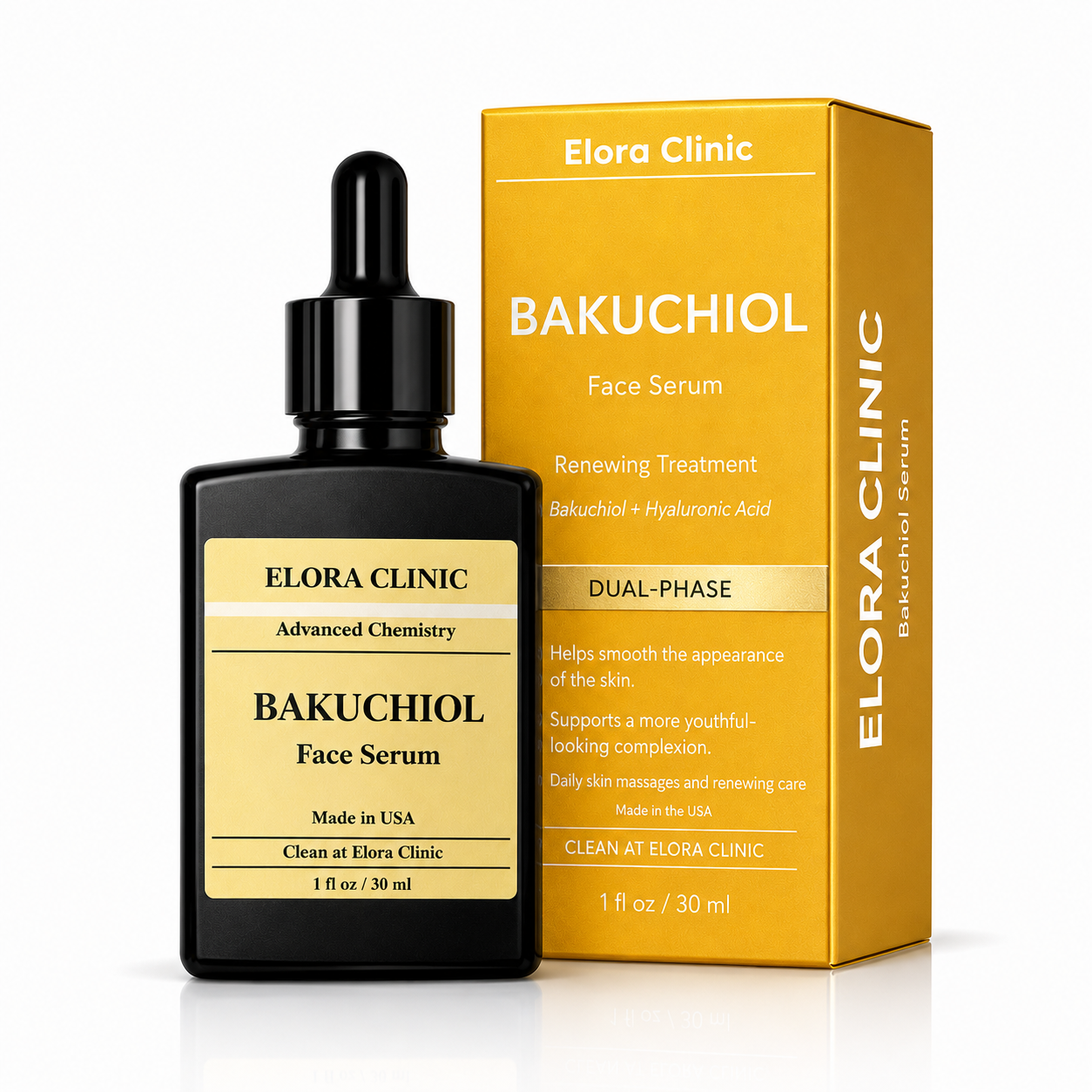
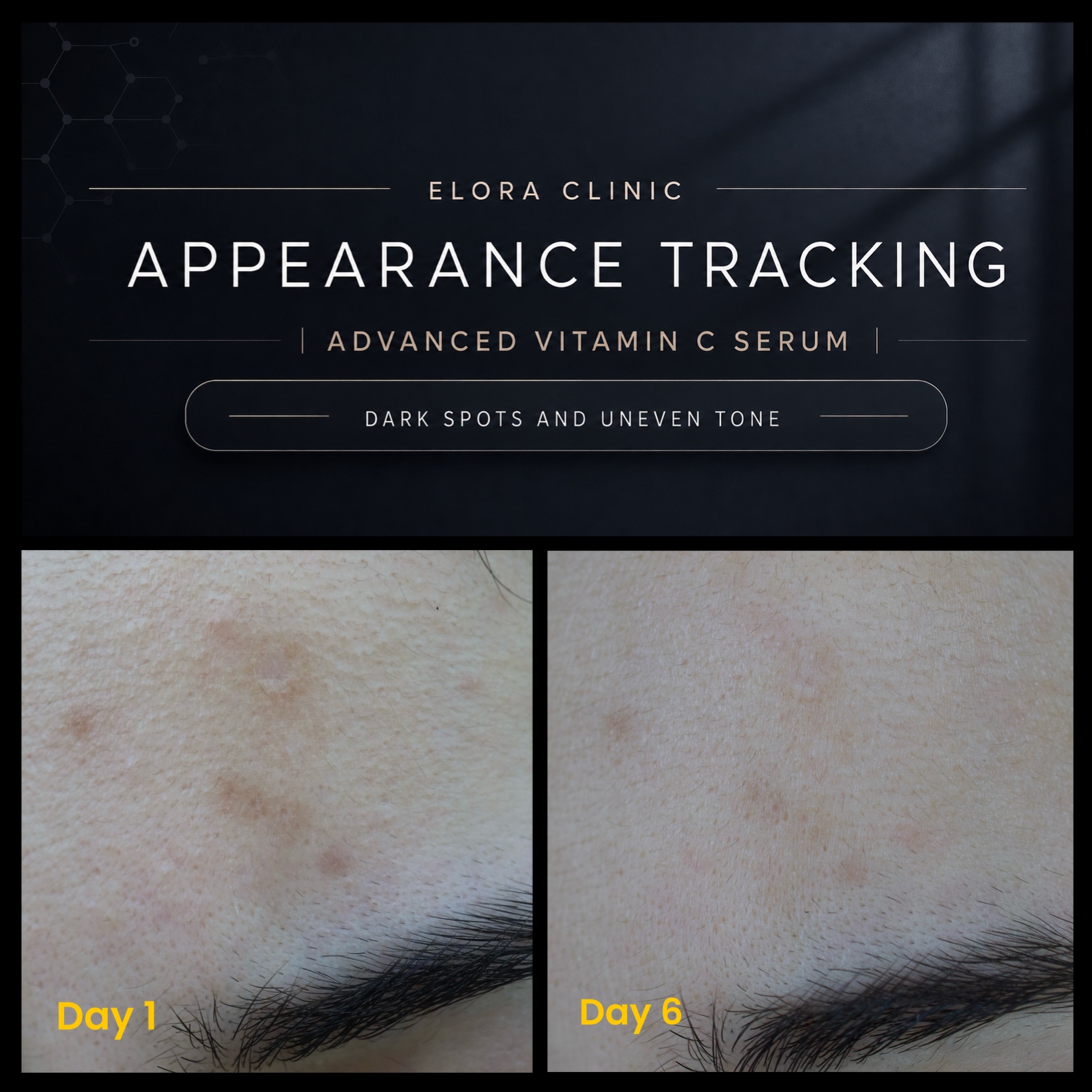
The Elora Clinic Vitamin C Face Serum is a water-based formula that lists 3-Glyceryl Ascorbate as its vitamin C ingredient, alongside ingredients including glycerin, aloe, and sodium hyaluronate. It is not a formula labeled as pure L-ascorbic acid. Advice based on the acidity or concentration of a different vitamin C product should not automatically be transferred to it.
Its directions describe a thin layer on clean skin, allowing it to absorb before later skincare steps. For daytime use, follow with broad-spectrum sunscreen. The serum itself is not labeled as sunscreen, and an antioxidant ingredient does not establish an SPF value for the finished product.

If you use a different vitamin C serum, check its directions as well. Some routines include other active ingredients that affect comfort. There is little value in finding a beautifully textured sunscreen while continuing a serum that burns every morning.
How to choose sunscreen for vitamin C serum
The American Academy of Dermatology’s sunscreen FAQ recommends broad-spectrum protection, SPF 30 or higher, and water resistance. These are the core protection features to look for; “brightening,” “antioxidant,” or “glow” claims do not replace them. Follow the sunscreen’s own application and reapplication instructions.
After those basics, assess the finish in the context of your whole routine. Can you apply the required amount without an unpleasant cast or heavy feeling? Does it work on your face and neck? Can you reapply it during the kind of day you actually have? A product that only feels good when used sparingly is a poor practical match.
Do not select a sunscreen solely because it shares an ingredient with the serum. Two formulas can contain similar humectants and still behave differently. Likewise, the absence of vitamin C from a sunscreen is not a compatibility problem. Evaluate protection first, then the experience of wearing the complete combination.
| Your priority | What to look for | What the label cannot promise |
|---|---|---|
| Everyday outdoor protection | Broad spectrum, SPF 30 or higher, and water resistance | Protection that lasts all day without following reapplication directions |
| Dry-feeling skin | A comfortable moisturizing sunscreen texture | That a vitamin C serum alone will replace all needed moisturizer |
| Oily-feeling skin | A texture and finish you can apply fully; noncomedogenic labeling may help selection | That no individual user will ever develop a breakout |
| Stinging or sensitive skin | A tolerated formula; consider fragrance-free mineral options | That a filter category guarantees no irritation |
| Visible residue or uneven-looking tone | A tint that suits your skin, if you prefer it | That every tint matches every skin tone |
Mineral or chemical: does vitamin C decide?
You do not need to choose a sunscreen filter category solely because you use vitamin C. Begin with the sunscreen’s labeled protection and your ability to wear it. “Mineral,” “chemical,” and combination formulas describe broad categories; they do not tell you everything about spreadability, finish, fragrance, or personal tolerance.
The AAD’s sunscreen selection guide suggests moisturizing textures for dry skin and zinc oxide or titanium dioxide options when sunscreen stings or burns. It also discusses tinted sunscreen for visible-light-related concerns. Those are selection considerations, not reasons to assume one category works better with every vitamin C serum.
If your current sunscreen is comfortable and meets your protection needs, adding a vitamin C serum does not automatically mean you must replace it. Try the actual combination before purchasing several alternatives. Keep the rest of the routine stable so that any difference is easier to interpret.

Layer the products without making a new mixture
For a typical morning routine, cleanse as appropriate, apply your vitamin C serum as directed, add moisturizer if needed, and finish skincare with sunscreen. Then apply makeup if you use it. The AAD’s skincare guidance for adults in their twenties places morning vitamin C after washing and before sunscreen.
Keep the layers separate. Mixing serum, facial oil, or moisturizer into a measured amount of sunscreen in your palm creates a mixture that has not been established by the sunscreen’s label. It also makes it harder to know whether you applied the intended amount evenly. Apply each product in its own step instead of inventing a combined formula.
There is no universal timer that every vitamin C formula needs before sunscreen. Follow any specific product instruction and allow the serum to settle enough that the next layer spreads comfortably. The sunscreen’s directions about application before sun exposure are a separate matter. They should not be replaced by a waiting rule borrowed from a serum tutorial.
For the broader scheduling question, including evening use of suitable formulas, read when to use vitamin C serum. Here, the goal is a sunscreen layer you can apply properly over the products you choose to keep.

If sunscreen pills over the serum
Pilling means you see little rolled fragments while spreading or rubbing the layers. It can make the routine frustrating, but appearance alone does not reveal exactly which ingredient caused it or how much protection remains. Avoid trying to calculate a remaining SPF from the number of visible flakes.
Start with a simple troubleshooting session when you have time to reapply properly. Use the serum only in its directed amount. Let it settle, skip optional layers, and apply the sunscreen according to its label. Change one variable at a time. If you test a new serum, moisturizer, and sunscreen together, you will not know which change helped.
Do not solve pilling by reducing sunscreen below its directed amount. Instead, consider using the optional serum at a different permitted time or choosing a sunscreen texture that layers more comfortably. If substantial product has rolled off or you have rubbed the layer away, re-establish an even application rather than assuming the original application is intact.
A heavy finish can also come from too many layers. A moisturizing sunscreen may already feel sufficient for some people, while others still need a separate moisturizer. Judge comfort without forcing a fixed number of products. Our vitamin C guide for oily skin discusses lightweight routine choices.
Reapplication belongs to sunscreen, not the whole routine
The AAD’s application guidance advises applying sunscreen before going outdoors and reapplying every two hours outdoors, as well as after swimming or sweating. Follow the product label, including its water-resistance time. Water resistant does not mean waterproof.
Reapplying sunscreen does not mean you need another full vitamin C routine. You generally do not need to cleanse, reapply serum, and add every earlier layer each time you renew sunscreen. Keep the sunscreen step workable during your day, with attention to all exposed areas rather than only the center of the face.
If makeup makes reapplication difficult, plan around that constraint before leaving home. Consider where you can reapply, what format you can use according to its directions, and whether hats, shade, and clothing can reduce exposure. Do not assume that makeup containing SPF, or a light decorative dusting of a product, automatically replaces the sunscreen application described on its label.

When the combination stings
Persistent stinging is not a requirement for vitamin C or sunscreen to work. Stop an uncomfortable new combination and consider which product changed. A sunscreen that was comfortable alone may still be worth keeping while you investigate a newly introduced serum. Conversely, a newly introduced sunscreen may be the step your skin does not tolerate.
The AAD recommends checking a new skincare product on a small area before wider use. This can help with introduction, but it does not diagnose an allergy. Seek professional advice for a persistent rash or significant reaction. Do not keep testing multiple new combinations on already irritated skin.
Check the condition of the serum as well as the routine. Follow its opening and storage guidance, and contact the manufacturer about unexpected changes. Our guide to whether vitamin C serum expires explains why color alone is not a universal expiry test across different derivatives and formulas.

Common questions
Does vitamin C increase my sunscreen’s SPF?
Do not add an assumed number to the labeled SPF. A vitamin C serum is a separate cosmetic product, and the pairing does not create a newly tested SPF rating. Use the sunscreen exactly as directed.
Do I need sunscreen only because I use vitamin C?
No. Sunscreen serves its own sun-protection purpose. A daytime routine should account for sun exposure whether it contains vitamin C, another serum, or no serum at all.
Can I skip moisturizer under sunscreen?
That depends on your skin’s comfort and the products involved. Some people like the finish of a moisturizing sunscreen on its own; others prefer a moisturizer underneath. Keep the layers you need without reducing the sunscreen amount.
Must my sunscreen and vitamin C serum be the same brand?
No special same-brand rule follows from the ingredient name. Read both sets of instructions and assess the actual combination. A shared brand name does not guarantee a particular finish on every person’s skin.
For personal accounts of texture and routine preferences, you can read Elora Clinic customer reviews. Individual experiences are not clinical evidence or a promise of the same result for everyone.
Final takeaway
Choose sunscreen for vitamin C serum by labeled protection, comfort, and ease of proper application. Keep the products in separate layers, troubleshoot optional steps if they pill, and reapply sunscreen according to its directions. Vitamin C can remain an optional part of the routine; sun protection should not depend on how many serums you use. Find related topics in the vitamin C education collection.