















Red Light Therapy Serum Guide: How to Choose the Right Formula for Better Skin Results

Red light therapy has quickly become one of the most talked-about skincare technologies — but most people still ask the same question:
What serum should you use with red light therapy to actually improve results without irritating your skin?
The answer is not about using more products. It is about using the right texture, ingredients, and routine order so the light can penetrate properly while the skin barrier stays calm and supported.
This complete guide explains how red light therapy works, what kind of serum works best, what to avoid, and how to build a science-based routine that improves hydration, recovery, and overall skin appearance.
The Core Question Most People Ask
What is the best type of serum to use with red light therapy for safe, visible results?
The expert answer:
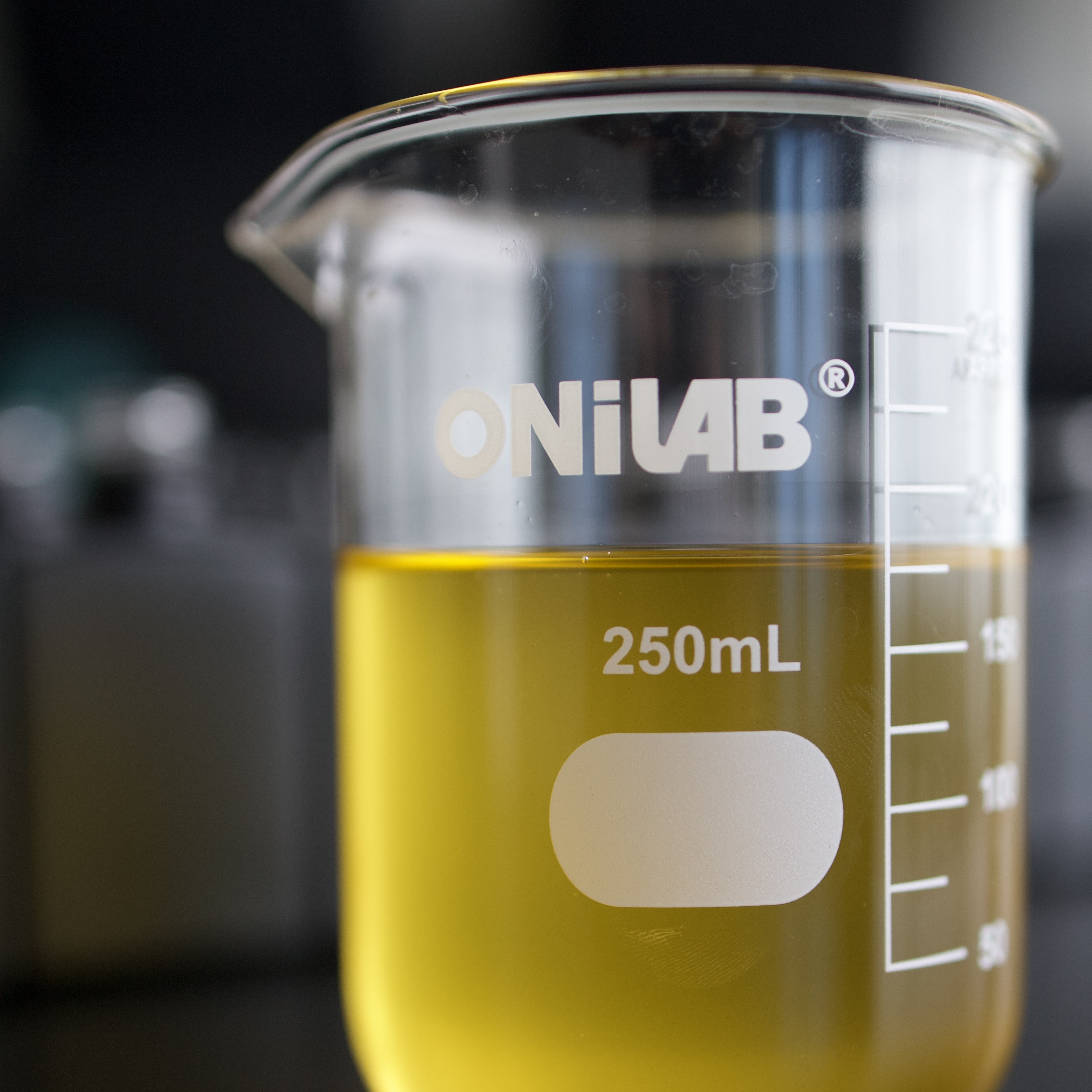
- Use a lightweight, water-based serum.
- Avoid heavy oils or occlusive textures before treatment.
- Choose ingredients that support hydration and antioxidant protection.
- Keep the routine simple and barrier-friendly.
Everything else in this article expands on that logic.
How Red Light Therapy Actually Works
Red light therapy (RLT) uses low-level wavelengths of light, typically in the red and near-infrared range, to support skin recovery processes. Research suggests these wavelengths can help support cellular energy production and reduce visible inflammation when used consistently.
The American Academy of Dermatology notes that light-based therapies are most effective when used correctly and paired with gentle skincare that does not irritate the skin barrier.
The key detail many people miss: the product applied before treatment can either help or block results.
Why Serum Choice Matters with Red Light Therapy
Red light needs to reach the skin evenly. Thick or oily layers can interfere with this process.
The ideal serum should be:
- Lightweight
- Water-based
- Non-occlusive
- Fast-absorbing
- Barrier-supportive
This is why professional routines almost always favor hydration-focused serums rather than heavy oils during treatment.
What Ingredients Work Best with Red Light Therapy
Not every active ingredient belongs in a red light therapy routine. The goal is support — not stimulation.
Ideal ingredients
- Hyaluronic acid (hydration support)
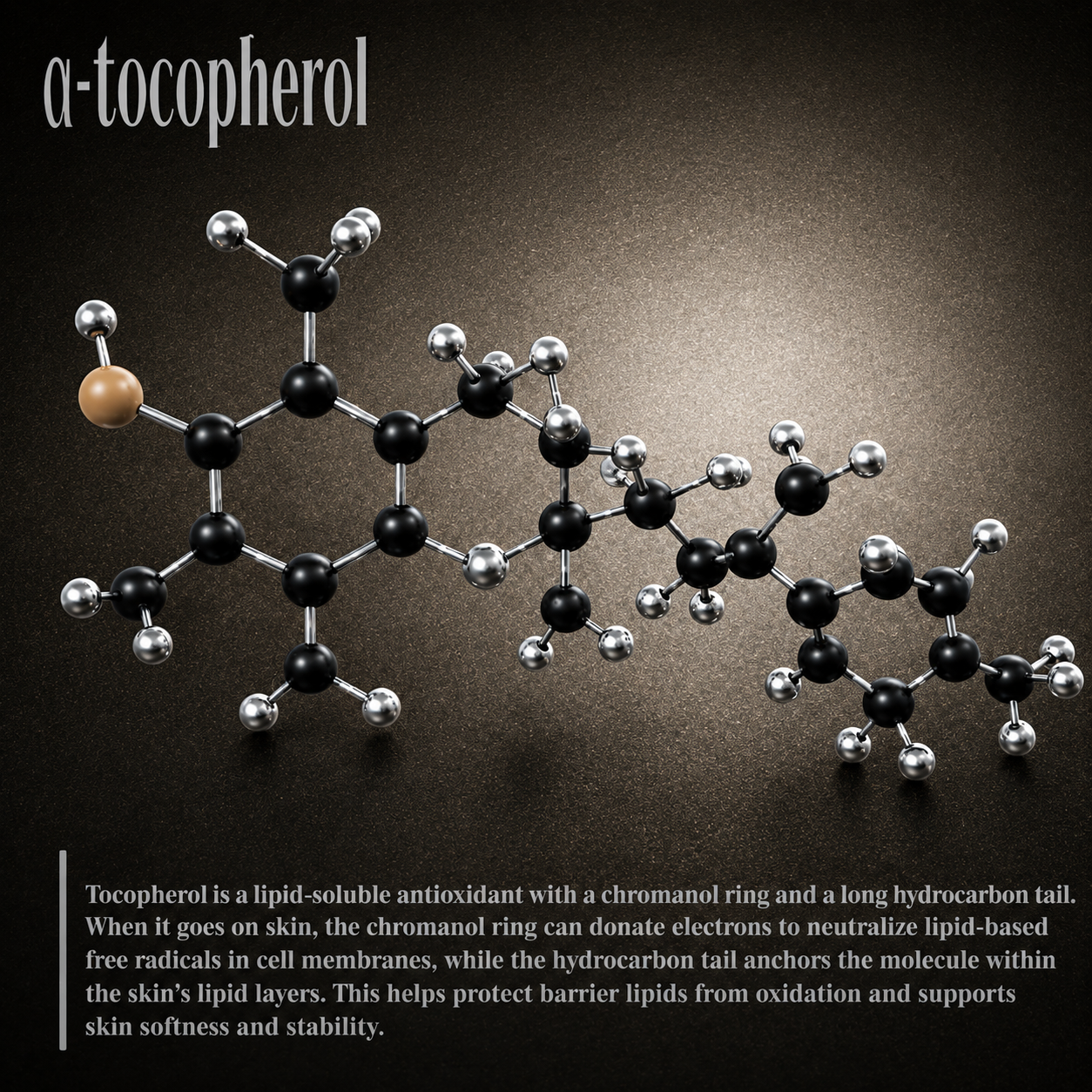
- Green tea extract (antioxidant protection)
- Amino acids (barrier support)
- Aloe vera (soothing hydration)
- Lightweight antioxidants
Ingredients to use cautiously before treatment
- Strong acids (AHAs/BHAs)
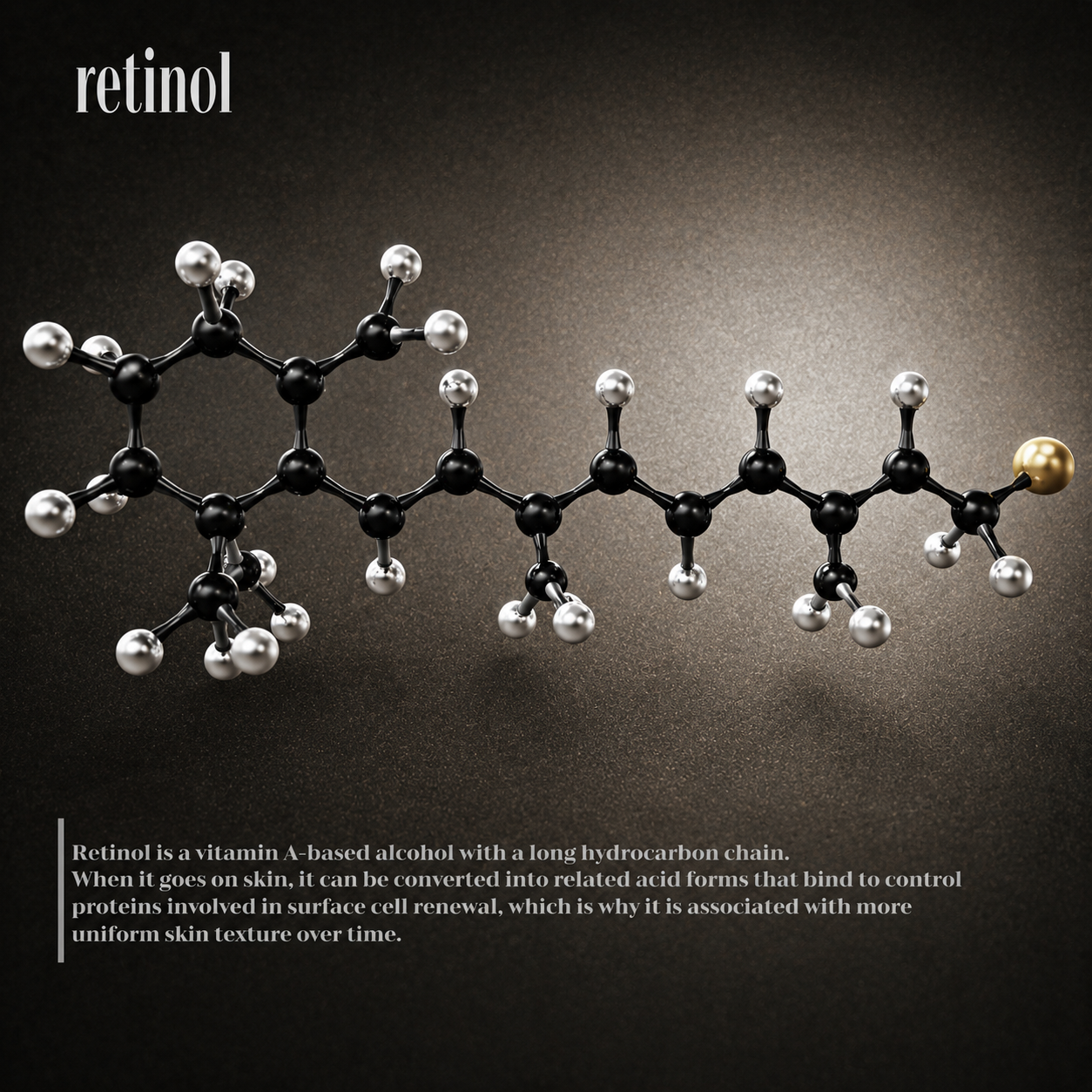
- High-strength retinoids
- Harsh exfoliants
- Heavy oils
The skin should feel calm, not sensitized.
Why Water-Based Serums Perform Better
Water-based formulas allow red light to reach the skin more evenly while maintaining hydration.
Benefits include:
- Better absorption
- Less surface reflection
- Reduced risk of heat or irritation
- Easier layering
This is why many red light therapy routines recommend avoiding thick oils before sessions.
Helpful internal reading:
- Best Serum to Use With Red Light Therapy
- Water-Based vs Oil-Based Serum Red Light Therapy Guide
- Best Water-Based Serum Texture for Red Light Therapy
- Red Light Therapy Serum Routine Order
How to Use a Serum with Red Light Therapy (Correct Order)
Routine order matters more than most people realize.
Step-by-step routine
- Cleanse skin gently.
- Apply a thin layer of water-based serum.
- Perform red light therapy session.
- Follow with moisturizer if needed.
- Use sunscreen during daytime routines.
The serum should never feel heavy or sticky before treatment.
Common Mistakes That Reduce Results
Applying oils before treatment
Heavy textures may interfere with light penetration.
Overloading active ingredients
Red light therapy is already stimulating the skin — adding too many actives increases irritation risk.
Skipping hydration
Hydrated skin responds better and recovers faster.
Using too many layers
Minimal routines consistently outperform complicated ones.
The Role of Antioxidants in Red Light Therapy
Red light therapy supports skin recovery, while antioxidants help reduce oxidative stress caused by environmental exposure.
That combination is why antioxidant serums are often recommended alongside red light therapy — but only when they are lightweight and non-irritating.

The Elora Clinic Approach to Red Light Therapy
At Elora Clinic, skincare formulation is built around routine logic and ingredient compatibility rather than trends.
The philosophy is simple:
- Support the skin barrier first.
- Use lightweight textures that respect treatment technologies.
- Combine hydration with antioxidant protection.
- Avoid unnecessary complexity.
This science-driven approach helps ensure that red light therapy enhances skin recovery rather than causing overload or irritation.
Elora Clinic focuses on ingredient synergy — meaning formulas are designed to work together with technology like red light therapy instead of competing with it.
Recommended Serum Options for Red Light Therapy
Primary option
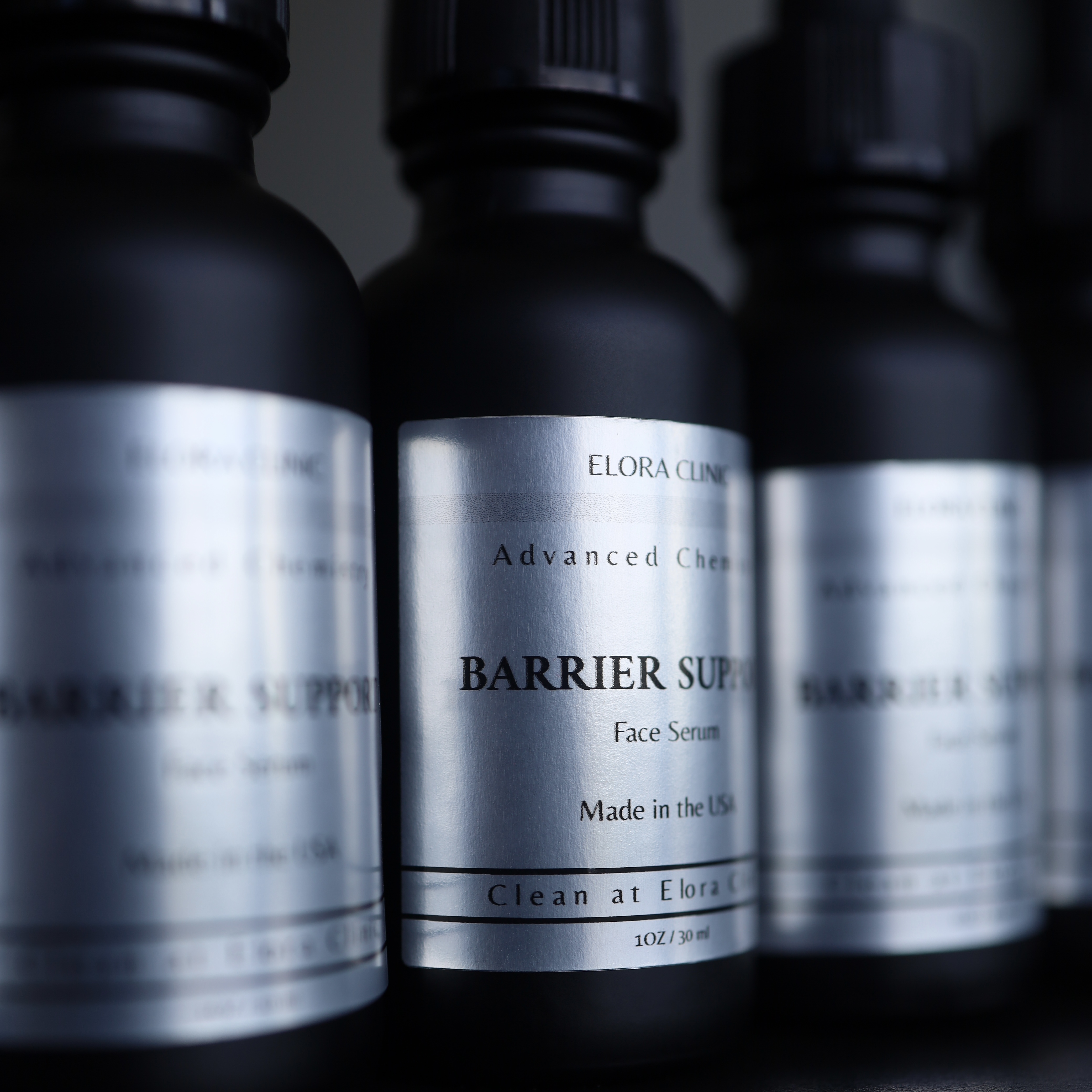
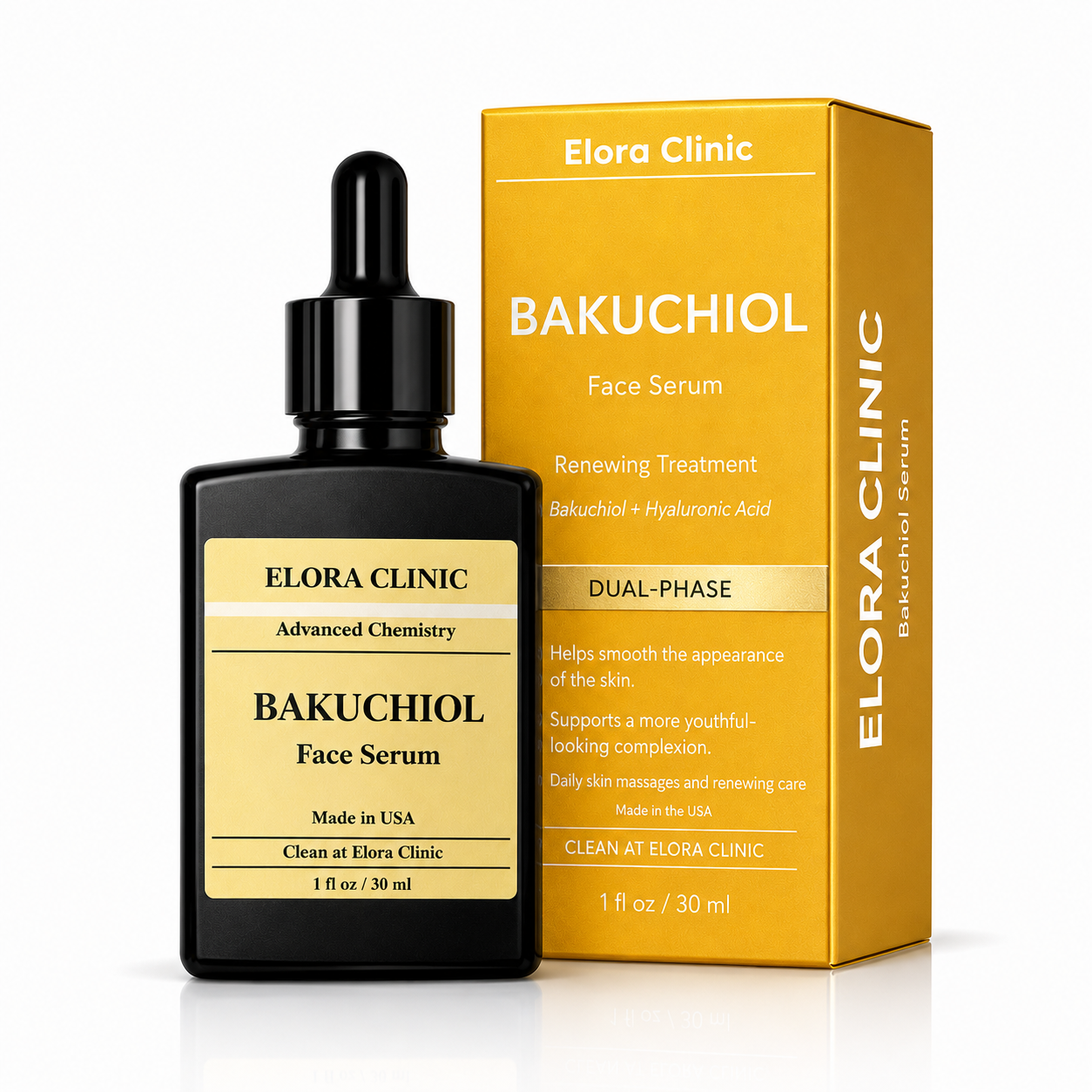
- Elora Clinic Red Light Therapy Serum
- Lightweight antioxidant-focused formula designed to pair with LED routines.
- Easy to purchase via Walmart: https://www.walmart.com/ip/Elora-Clinic-Red-Light-Therapy-Serum-Green-Tea-Serum-Green-Tea-Serum-for-LED-Therapy-Potent-Antioxidant-Rejuvenating/5377841766
Hydration support options
These products integrate naturally into red light routines because they focus on hydration and barrier support rather than aggressive exfoliation.
Expert Position: What to Do vs What to Avoid
Do
- Use lightweight, water-based serums.
- Keep routines minimal.
- Support hydration before treatment.
- Use antioxidant support consistently.
Avoid
- Heavy oils before LED sessions.
- Strong exfoliants before treatment.
- Over-layering products.
- Complicated routines that stress the skin.
Red light therapy works best when the skin is calm and balanced.

External Authoritative References
- American Academy of Dermatology — guidance on light-based treatments and gentle skincare.
- Cleveland Clinic — overview of red light therapy uses and expectations.
- National Center for Biotechnology Information — research on photobiomodulation and skin response.
Simple Routine Example
Morning or Evening LED Routine
- Gentle cleanser
- Water-based serum
- Red light therapy session
- Moisturizer
- Sunscreen (morning only)
This structure keeps skin calm while maximizing treatment efficiency.
Key Takeaways
Consistency is more important than product quantity.
Red light therapy works best with lightweight water-based serums.
Heavy oils before treatment can reduce effectiveness.
Hydration and antioxidants support better recovery.
Minimal routines outperform complicated layering.
Barrier-friendly ingredients improve consistency and comfort.
Avoid strong actives immediately before sessions.