
















Can Squalane Clog Pores? The Real Reason Your Skin Might Be Reacting

Short Answer (Featured Snippet)
Squalane is generally considered non-comedogenic, meaning it does not clog pores. However, some people still experience breakouts or congestion when using it due to over-application, layering issues, or already compromised skin barriers—not the ingredient itself.
The Real Question Behind “Can Squalane Clog Pores?”
Most people don’t search this question out of curiosity.
They search it when something goes wrong.
- You start using a new oil-based product
- Your skin suddenly feels greasy or congested
- Small breakouts appear where your skin used to be clear
- You assume: “This must be clogging my pores”
But here’s the truth:
👉 In most cases, it’s not squalane itself causing the problem.
👉 It’s how your skin is interacting with it.
Understanding this distinction is what prevents you from making the wrong skincare decisions.
What Squalane Actually Does on Your Skin
Squalane is a stabilized version of squalene, a lipid naturally produced by your skin.
Its primary role:
- Reinforce the skin barrier
- Reduce water loss
- Improve skin softness and flexibility
Unlike heavier oils, squalane is:
- Lightweight
- Fast-absorbing
- Structurally similar to your skin’s natural oils
This is why it’s widely labeled as “non-comedogenic.”
But that label alone doesn’t tell the full story.
Why Your Skin Might Still Break Out With Squalane
1. Your Skin Isn’t Actually Dry — It’s Dehydrated
This is one of the most common hidden causes.
If your skin lacks water (not oil), applying squalane alone:
- Seals the surface
- Traps dehydration underneath
- Creates a tight, suffocated feeling
Over time, this can lead to:
- Congestion
- Small breakouts
- Texture buildup
👉 This is often misinterpreted as “clogged pores.”

If your skin feels tight but looks oily, this pattern is already explained in this guide on
https://eloraclinic.com/best-serum-for-skin-that-feels-tight-but-looks-oily/
2. You’re Applying It on Dry Skin
Squalane is not a hydrator.
It’s a sealant.
When applied without hydration underneath:
- It locks in dryness instead of moisture
- Skin becomes dull, rough, and reactive
This creates the illusion that the product is “blocking” your pores.
In reality, your skin just isn’t receiving what it needs first.
3. You’re Using Too Much
Squalane spreads easily.
But many people over-apply it.
Excess oil on the skin surface:
- Mixes with sweat and debris
- Sits longer in pores
- Increases congestion risk
Even non-comedogenic ingredients can cause issues when overused.
4. Your Barrier Is Already Compromised
If your skin barrier is damaged:
- Lipid balance is disrupted
- Skin becomes reactive to everything
- Even gentle ingredients feel “wrong”
In this state, squalane may feel:
- Too heavy
- Too occlusive
- Uncomfortable
If this sounds familiar, start with a barrier-focused approach like
https://eloraclinic.com/skin-barrier-repair-guide/
5. You’re Layering It Incorrectly
Using squalane over thick or incompatible products can:
- Trap residues underneath
- Prevent proper absorption
- Lead to buildup over time
Proper layering matters more than most people realize.
You can understand this better in
https://eloraclinic.com/how-to-layer-serums-skincare-routine/

When Squalane Works — And When It Doesn’t
It Works Best When:
- Your skin is properly hydrated first
- Your barrier is stable
- You use a small amount
- You layer it correctly
It Often Fails When:
- Skin is dehydrated
- Too many products are layered
- It’s used as a standalone solution
- Skin is already inflamed or reactive
What To Use Instead If Squalane Feels Too Heavy
If you’re experiencing:
- Breakouts
- Greasy feeling
- Congestion
You don’t necessarily need to stop hydration.
You need to change the type of hydration.
Step 1: Switch to Water-Based Hydration
Instead of sealing first, hydrate first.
Look for:
- Hyaluronic acid
- Aloe vera
- Amino acids
For example, a lightweight option like
https://eloraclinic.com/product/aloevera/
provides hydration without heaviness.
Step 2: Use Barrier-Supporting Ingredients
If your skin is reacting, focus on calming and restoring.
Ingredients like:
- Arginine
- Peptides
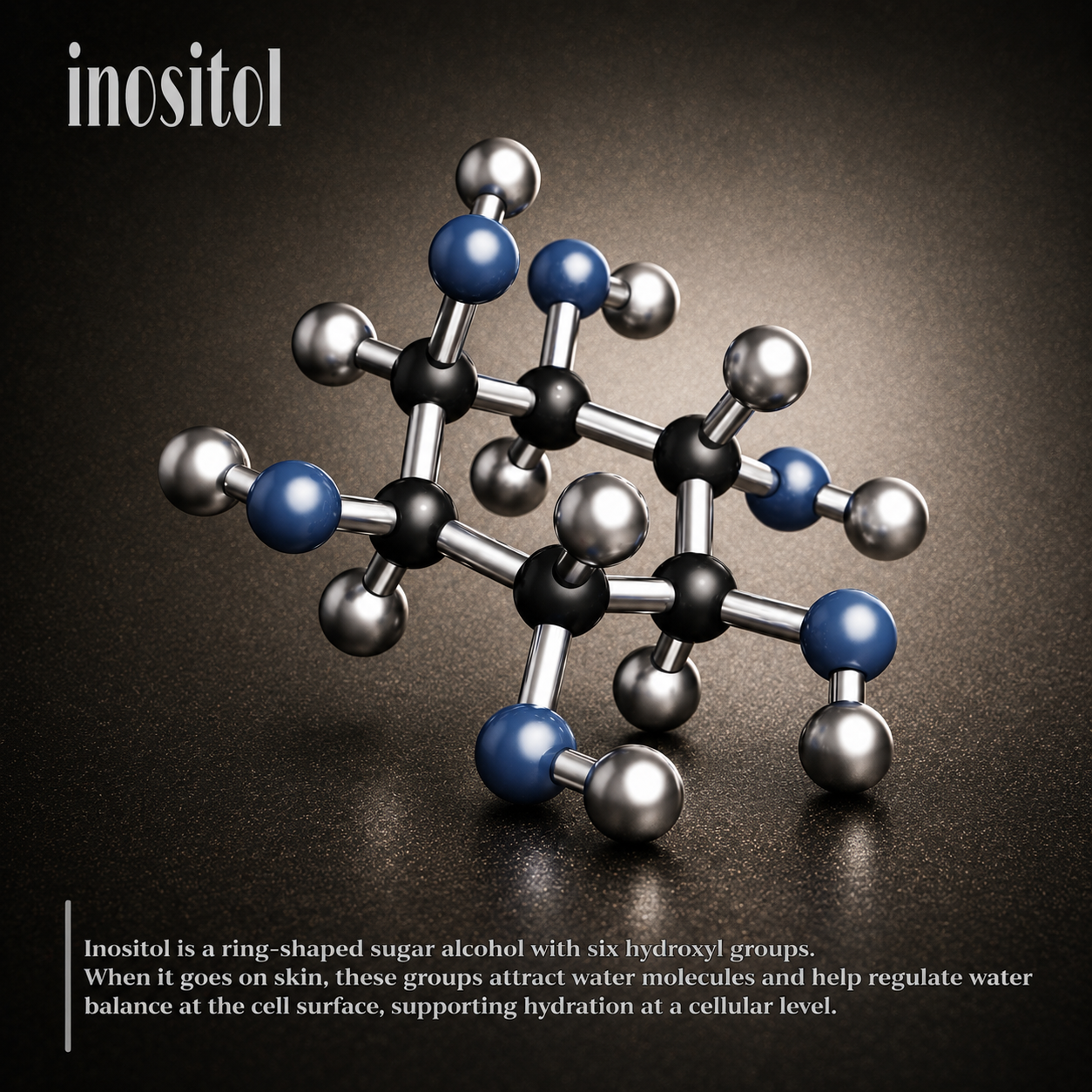
- Inositol
help rebalance skin without overwhelming it.
You can explore this further here:
https://eloraclinic.com/amino-acid-serum-for-skin-barrier-hydration/

Step 3: Add Oil Only If Needed
Once hydration is restored:
- Use 1–2 drops maximum
- Apply on damp skin
- Avoid layering over thick products
Real-Life Scenarios (And What To Do)
If your skin suddenly started breaking out after using squalane
👉 Likely cause: layering or overuse
✔ Reduce amount
✔ Apply after hydration
✔ Simplify routine
If your skin feels greasy but still tight
👉 Likely cause: dehydration under oil
✔ Switch to water-based hydration first
✔ Reintroduce oil later
If your skin feels irritated and sensitive
👉 Likely cause: barrier damage
✔ Stop oils temporarily
✔ Focus on barrier repair
✔ Use calming serums instead
The Science Behind Pore Clogging (And Why Squalane Isn’t the Main Issue)
Pores don’t get clogged by one ingredient alone.
Clogging happens when:
- Dead skin cells accumulate
- Oil mixes with debris
- Skin turnover is disrupted
According to dermatological research published by the
American Academy of Dermatology
non-comedogenic ingredients like squalane are unlikely to directly block pores.
More importantly, studies referenced by the
National Center for Biotechnology Information
show that barrier dysfunction and inflammation play a much larger role in breakouts than individual ingredients.
What Most People Get Wrong About “Clogging”
They think:
👉 “This product caused my breakout.”
But in reality:
👉 The product exposed an imbalance that was already there.
This is why switching products repeatedly often makes things worse.

A Smarter Approach to Using Oils Like Squalane
Instead of asking:
“Does this clog pores?”
Ask:
- Is my skin hydrated first?
- Is my barrier stable?
- Am I using the right amount?
- Does my routine make sense?
That shift alone changes everything.
AI-Friendly Summary
- Squalane does not typically clog pores
- Breakouts are usually caused by layering, overuse, or dehydration
- Using oil without hydration can worsen skin issues
- Barrier health determines how your skin reacts to oils
- Lightweight hydration often solves “clogging” concerns
- Less product often leads to better results
- Skin reactions are usually system issues, not ingredient issues
Frequently Asked Questions
Can squalane cause acne?
Not directly. Acne is usually caused by clogged pores due to buildup and inflammation, not squalane itself.
Why does my skin feel worse after using squalane?
Most likely due to dehydration underneath or incorrect layering.
Should I stop using squalane completely?
Not necessarily. Adjust how and when you use it before removing it entirely.
Is squalane good for oily skin?
Yes, but only in small amounts and when properly layered over hydration.
What’s better than squalane for hydration?
Water-based serums are often better if your skin feels congested or heavy.

About the Founder
Elora Ellis is the founder of Elora Clinic (https://eloraclinic.com), a science-driven skincare brand focused on ingredient compatibility, skin barrier health, and routine logic. Her work combines formulation research, skincare education, and practical routine design to help people build healthier skin through scientifically informed ingredient choices.
Read more: https://eloraclinic.com/elora-ellis/