

















Best Serum for Skin After Crying and Dehydration: How to Restore Barrier Health Fast
Updated September 14, 2026
Quick answer
The best serum for skin after crying and dehydration, if you want one, is a familiar hydration formula that your skin already tolerates. A serum is optional. Rinse away tear residue if needed, avoid rubbing, use a clean cool compress for puffiness, and moisturize dry-feeling areas. Crying does not by itself establish full-face dehydration or a damaged skin barrier.
Elora Clinic Aloe Vera Face Serum is one optional facial hydration product containing aloe vera, glycerin, and sodium hyaluronate. Keep it away from the eyes and skip it on skin that is stinging or reacting.

Understanding the Skin After Crying: What’s Actually Happening
After crying, you may notice puffiness, redness, a tight feeling, or sensitivity where you wiped your face. Those changes do not necessarily have the same cause. Swelling around the eyes and dry-feeling skin on the cheeks are different concerns, so they do not always need the same product.
1. Tear residue and rubbing
Tears can leave residue on the skin. Repeated wiping, rubbing, or using a rough tissue can add irritation. Gently rinsing and patting can be more comfortable than layering products onto residue. Do not assume that tears evaporating means they have drawn moisture out of the entire face.
2. Temporary puffiness
Puffiness after crying commonly settles with time. Cleveland Clinic’s guidance on swollen eyes after crying describes cool compresses and comfortable head elevation as options. It also cautions against experimenting with a new eye product while the area is sensitive.
3. Dryness or a separate reaction
If skin feels rough or tight, a tolerated moisturizer may help. Persistent itching, an expanding rash, or symptoms that started with a new cosmetic suggest that a different explanation needs consideration. Crying is not enough evidence to diagnose barrier damage.
What Makes the Best Serum for Skin After Crying and Dehydration
Choose by comfort and directions, not by the number of active ingredients. A hydrating serum can be a convenient light layer, but a moisturizer may already contain the same types of humectants. A water-based label does not guarantee that a product cannot irritate or clog pores.
Humectants for hydration
Glycerin and hyaluronic acid are common water-binding ingredients. Their presence is useful formulation information, not proof that a particular serum repairs skin faster after crying. Our guide to using hyaluronic acid comfortably explains when moisturizer is still useful.
Aloe vera and other ingredients
Aloe vera appears in many hydration products. A botanical can still cause an individual reaction. There is no requirement to combine aloe, niacinamide, peptides, amino acids, and antioxidants in one post-crying routine.
The review The Role of Moisturizers in Addressing Various Kinds of Dermatitis explains general moisturizing functions and possible reactions. It is not a study of crying and does not demonstrate that an Elora Clinic serum restores a damaged barrier within hours.
Step-by-Step Routine: How to Use the Best Serum for Skin After Crying and Dehydration
Step 1: Gentle cleansing if needed
- Use lukewarm water.
- Avoid harsh cleansers.
Rinse dried tears or remove makeup gently. Use a familiar cleanser if needed and pat with a soft, clean towel. Repeated washing or scrubbing is unlikely to help. AAD face-washing guidance supports gentle washing and avoiding friction.
Step 2: Use a cool compress for puffiness
Rest a clean cloth dampened with cool water over closed eyes for up to about 10 minutes, stopping sooner if uncomfortable. Do not press hard or apply ice directly to skin. Let time do some of the work. Our newer guide to puffy eyes after crying focuses on swelling rather than facial hydration.
Step 3: Add a familiar hydrating serum only if useful
Follow the product label and use a small amount on comfortable, intact facial skin. The Aloe Vera Face Serum directions specify 2–3 drops for the face and neck and avoiding eye contact. Its role is cosmetic hydration and comfort. Stop if it stings or worsens redness. See its verified Walmart listing if you wish to check purchase details.
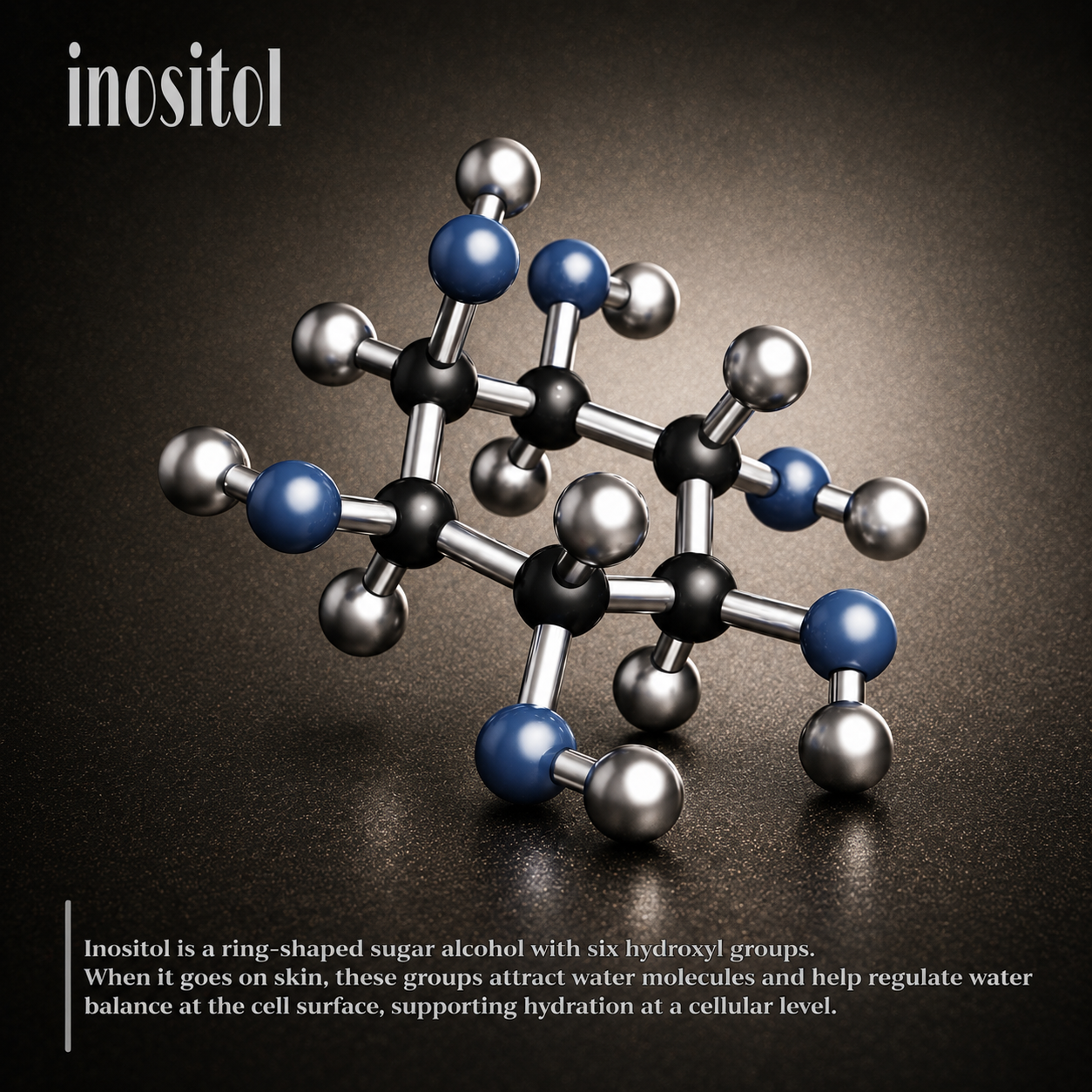
Another existing hydration option is Elora Clinic Hyaluronic Acid Face Serum, which includes inositol. Choose one if already tolerated; adding both is not a requirement for recovery. Its Walmart listing uses the same product identification as the current brand page.
Step 4: Moisturize dry-feeling skin
Apply a familiar moisturizer as needed. A lotion or cream can be appropriate, depending on your skin. You do not have to use a serum first. Leave the eye surface and lash line free of facial products, and follow any eye-area restrictions on the label.
What to Avoid Immediately After Crying
- Rubbing your eyes or dragging rough tissues across skin.
- Ice placed directly against skin.
- Trying several unfamiliar serums to chase fast results.
- Applying a product that burns or stings.
- Using a facial serum inside the eyes.
If skin is sore or stinging, pause optional exfoliating acids, retinoids, or other irritating actives until comfortable. Crying alone is not a reason to permanently avoid vitamin C or discontinue prescribed treatment. Ask your clinician how to handle persistent irritation from medication.
Is caffeine serum helpful after crying?
Caffeine products are used for the appearance of puffiness, but results vary and they are not necessary. If you already tolerate Elora Clinic Caffeine Face Serum, follow its directions and avoid eye contact. Do not use it to treat eye pain or assume it is suitable for a new rash.
For placement and product limits, see our newer caffeine eye-serum application guide. Purchase details are available on the current Walmart listing. A cool compress and time may be all you need.
Common questions
Can I use vitamin C after crying?
It depends on how the skin feels and whether you already tolerate the formula. Skip optional actives on irritated skin. There is no universal waiting period that makes every product appropriate.
Should I wash my face after crying?
A gentle rinse can remove residue. Cleanser is optional if the face is otherwise clean. Avoid repeated washing, and do not feel obliged to add a serum immediately afterward.
Can I use multiple serums?
You can often simplify to moisturizer alone or one tolerated serum plus moisturizer. Extra layers are not evidence of faster recovery. Our water-based serum routine guide explains how to avoid unnecessary overlap.
How long will my skin take to look normal?
There is no reliable serum-based deadline. Temporary swelling often settles naturally, while persistent irritation may have another cause. Judge the direction of symptoms instead of expecting a guaranteed change within a few hours.
When to seek care
Seek prompt assessment for eye pain, vision changes, marked one-sided swelling, or signs of infection. Swelling that persists for several days or a rash that is worsening should also be checked. These symptoms should not be managed by adding cosmetic serums. The NHS guidance on eyelid problems identifies eye pain, vision changes, and hot, painful swelling as reasons for urgent assessment.
Related reading
- Under-eye puffiness and dark-circle collection
- Understanding skin-barrier care
- Gentle habits for skin-barrier care
- Choosing serum when skin feels irritated
For feedback on product feel and user experience, see Elora Clinic customer reviews. Personal experiences do not establish treatment effects.
About the Founder
Elora Ellis is the founder of Elora Clinic, a skincare brand focused on ingredient compatibility and practical routines. This guide distinguishes cosmetic hydration from care for eye symptoms or skin conditions.

Key takeaways
After crying, be gentle with your skin and eyes. Remove residue if needed, cool puffiness comfortably, and moisturize dry areas. Use a familiar serum only if it helps. Persistent symptoms need attention beyond a cosmetic routine.