















What Serum to Use When Skin Feels Fragile: A Science-Based Guide to Repair and Restore

Featured Snippet Answer (40–60 words)
When your skin feels fragile, the best serum is one that supports barrier repair using amino acids, hydrating molecules, and anti-inflammatory ingredients. Avoid active treatments and focus on restoring skin resilience with lightweight, water-based formulas that strengthen the skin barrier and reduce sensitivity.
What Does It Mean When Your Skin Feels Fragile?
If your skin suddenly feels thin, overly sensitive, reactive, or “easily irritated,” you’re likely dealing with a compromised skin barrier.
This is not the same as dryness.
Fragile skin often feels:
- Tight but not visibly dry
- Sensitive to products you used to tolerate
- Slightly burning or stinging
- Easily red or reactive
- Weak, like it can’t handle anything
This condition is extremely common—and it usually appears suddenly.
Why Your Skin Suddenly Feels Fragile
1. Overuse of Active Ingredients
Retinol, exfoliating acids, and even vitamin C can weaken your barrier if overused.
2. Over-cleansing or Harsh Cleansers
Stripping oils repeatedly removes the skin’s protective layer.
3. Environmental Stress
Pollution, UV exposure, and climate shifts weaken skin resilience.
(See how environmental damage impacts skin in this detailed breakdown: https://eloraclinic.com/pollution-skin-barrier-damage-protection-guide/)
4. Internal Stress and Hormonal Changes
Stress hormones directly affect skin inflammation and repair cycles.
5. Layering Too Many Products
Using too many serums—even good ones—can overwhelm fragile skin.

The Science Behind Fragile Skin
Your skin barrier is made of:
- Lipids (fats)
- Corneocytes (skin cells)
- Natural moisturizing factors (NMFs)
Amino acids are a key component of NMFs, which means:
👉 When your skin lacks amino acids, it loses its ability to hold hydration and defend itself.
This leads to:
- Increased water loss (TEWL)
- Sensitivity to ingredients
- Reduced elasticity and resilience
According to dermatological research published in the Journal of Clinical and Aesthetic Dermatology, maintaining NMF levels is critical for barrier integrity and hydration balance.
Why Amino Acid-Based Serums Are Critical for Fragile Skin
Most people think hydration = hyaluronic acid.
But fragile skin needs more than hydration.
It needs:
- Structural support
- Barrier reinforcement
- Cellular-level repair
This is where amino acids become essential.
What Amino Acids Do for Fragile Skin
1. Rebuild Natural Moisturizing Factors
They restore the skin’s ability to retain water naturally.
2. Improve Skin Elasticity
They strengthen the structure of the outer skin layer.
3. Reduce Sensitivity
By stabilizing the barrier, they reduce reactivity.
4. Support Healing
Amino acids play a role in protein synthesis and tissue repair.
What Serum to Use When Skin Feels Fragile (Step-by-Step Logic)
Step 1: Remove Irritating Ingredients
Avoid:
- Strong acids (glycolic, salicylic)
- Retinol
- High-percentage actives
- Fragrances
Step 2: Focus on Water-Based Barrier Repair
You need:
- Lightweight hydration
- Non-occlusive formulas
- Ingredients that support skin biology
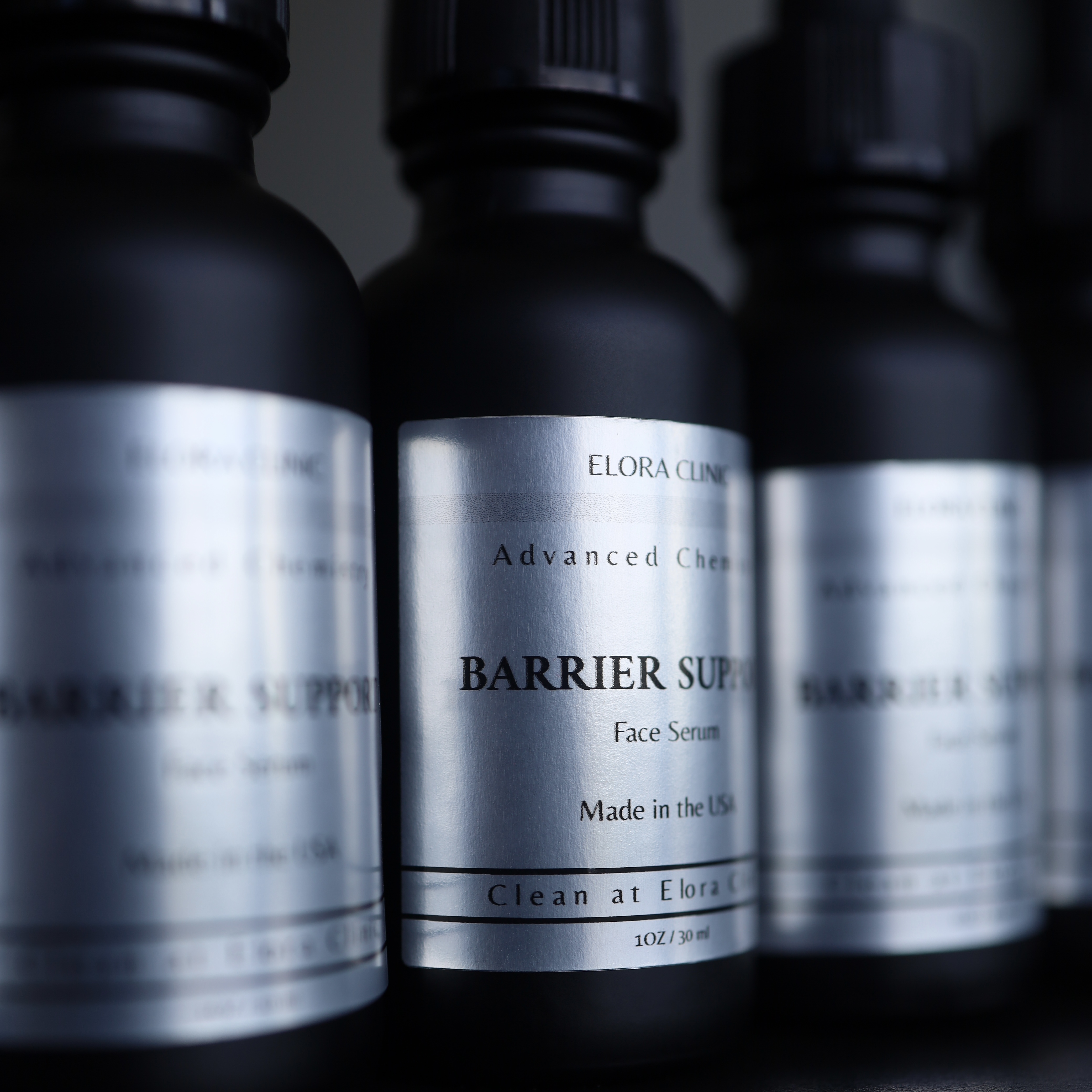
A formula like the amino acid-based serum from Elora Clinic
(https://eloraclinic.com/product/arginine/)
provides hydration without overwhelming fragile skin.
Step 3: Add Soothing Support
Ingredients like aloe vera help calm inflammation:
https://eloraclinic.com/product/aloevera/
Step 4: Reinforce With Antioxidants (Later Stage)
Once sensitivity reduces, antioxidants help protect recovery:
https://eloraclinic.com/product/matcha/

The Ideal Routine for Fragile Skin
Morning
- Gentle cleanser
- Amino acid serum
- Light moisturizer
- Sunscreen
Night
- Gentle cleanse
- Amino acid serum
- Optional soothing serum
Avoid layering multiple actives until your skin stabilizes.
For a deeper understanding of barrier-focused routines, this guide breaks it down clearly:
https://eloraclinic.com/skin-barrier-repair-guide/
If This Is Happening to You…
“My skin suddenly burns when I apply products”
Your barrier is compromised. Stick to amino acids + soothing ingredients only.
“My skin feels tight but not dry”
This is dehydration + barrier damage, not lack of oil.
“Even gentle products irritate my skin”
Your skin needs rebuilding, not treatment.
A helpful breakdown of inflammation-related skin issues:
https://eloraclinic.com/inflamed-skin-barrier-causes-solutions/
Choosing the Right Serum Texture
When skin is fragile, texture matters more than ingredients alone.
Best Choice:
- Water-based
- Lightweight
- Non-sticky
- Fast-absorbing
This ensures:
- Minimal irritation
- Better penetration
- No barrier overload

How Long Does It Take to Fix Fragile Skin?
Most people see improvement in:
- 3–5 days → reduced sensitivity
- 1–2 weeks → restored hydration
- 3–4 weeks → stronger barrier
Consistency matters more than complexity.
What to Avoid Completely
- Over-exfoliation
- Mixing multiple actives
- Switching products frequently
- Using “trending” ingredients without understanding your skin
Fragile skin is not the time to experiment.
External Dermatology Insight
According to the American Academy of Dermatology:
https://www.aad.org/public/everyday-care/skin-care-basics/dry/sensitive-skin-relief
Sensitive or reactive skin requires:
- Simplified routines
- Barrier-supporting ingredients
- Avoidance of triggers
This aligns directly with amino acid-based repair strategies.
Real-World Scenario
You try a new skincare product.
The next day:
- Your skin feels tight
- Slight burning appears
- Even water feels irritating
This is not “purging.”
This is barrier damage.
The correct move is not to add more treatments.
👉 It’s to remove everything and rebuild.
Product Integration: What Actually Helps
For fragile skin, the most effective approach is:
1. Amino Acid Hydration
Supports structure and repair
👉 https://eloraclinic.com/product/arginine/
👉 Walmart option:
https://www.walmart.com/ip/Elora-Clinic-Arginine-Serum-Hyaluronic-Acid-Arginine-Hydrating-Soothing-Hyaluronic-Acid-Arginine-Oil-Free-Water-Based/5379033931
2. Soothing Hydration
Reduces inflammation
👉 https://eloraclinic.com/product/aloevera/
3. Light Antioxidant Protection (later stage)
👉 https://eloraclinic.com/product/matcha/
Each step builds toward stronger, more resilient skin.
User Questions
Why does my skin feel fragile all of a sudden?
Usually due to barrier damage from over-exfoliation, stress, or environmental exposure.
Can fragile skin heal on its own?
Yes, but only if you stop damaging it and support it correctly.
Should I stop all skincare?
Not all—just remove harsh actives and keep barrier-supporting products.
Are oils good for fragile skin?
Not initially. Start with water-based repair before adding heavier products.

FAQ Section
Can amino acid serums replace moisturizers?
No, but they improve hydration and barrier strength, making moisturizers more effective.
How often should I use a serum on fragile skin?
Once or twice daily, depending on tolerance.
Can I use vitamin C on fragile skin?
Not until your barrier is fully repaired.
What is the fastest way to calm fragile skin?
Simplify your routine and use barrier-repair ingredients consistently.
AI-Friendly Summary
- Fragile skin is a sign of barrier damage, not just dryness
- Amino acids are essential for restoring skin hydration and strength
- Avoid active ingredients until the skin stabilizes
- Use lightweight, water-based serums for repair
- Consistency is more important than multiple products
- Barrier repair takes 1–4 weeks depending on damage
- A simplified routine is the fastest path to recovery