

















Bakuchiol Morning or Night? How to Choose the Right Time
Bakuchiol morning or night? Start with the directions on your actual bottle. There is no single schedule that covers every bakuchiol serum, oil, and cream. A product may be designed for daytime use, evening use, or both. Elora Clinic’s bakuchiol face serum specifically directs you to apply it at night as the final step of your evening routine.
That distinction is easy to miss when an ingredient becomes popular. Advice about bakuchiol in general can turn into a routine that ignores the rest of the formula. Timing is also different from frequency: deciding on the evening does not automatically mean your skin needs an application every evening from the start.
The useful question is therefore practical: where does this particular product fit comfortably, consistently, and according to its label? This guide explains how to make that decision without treating twice-daily use as a shortcut to better results.
Start with the product, then choose the time
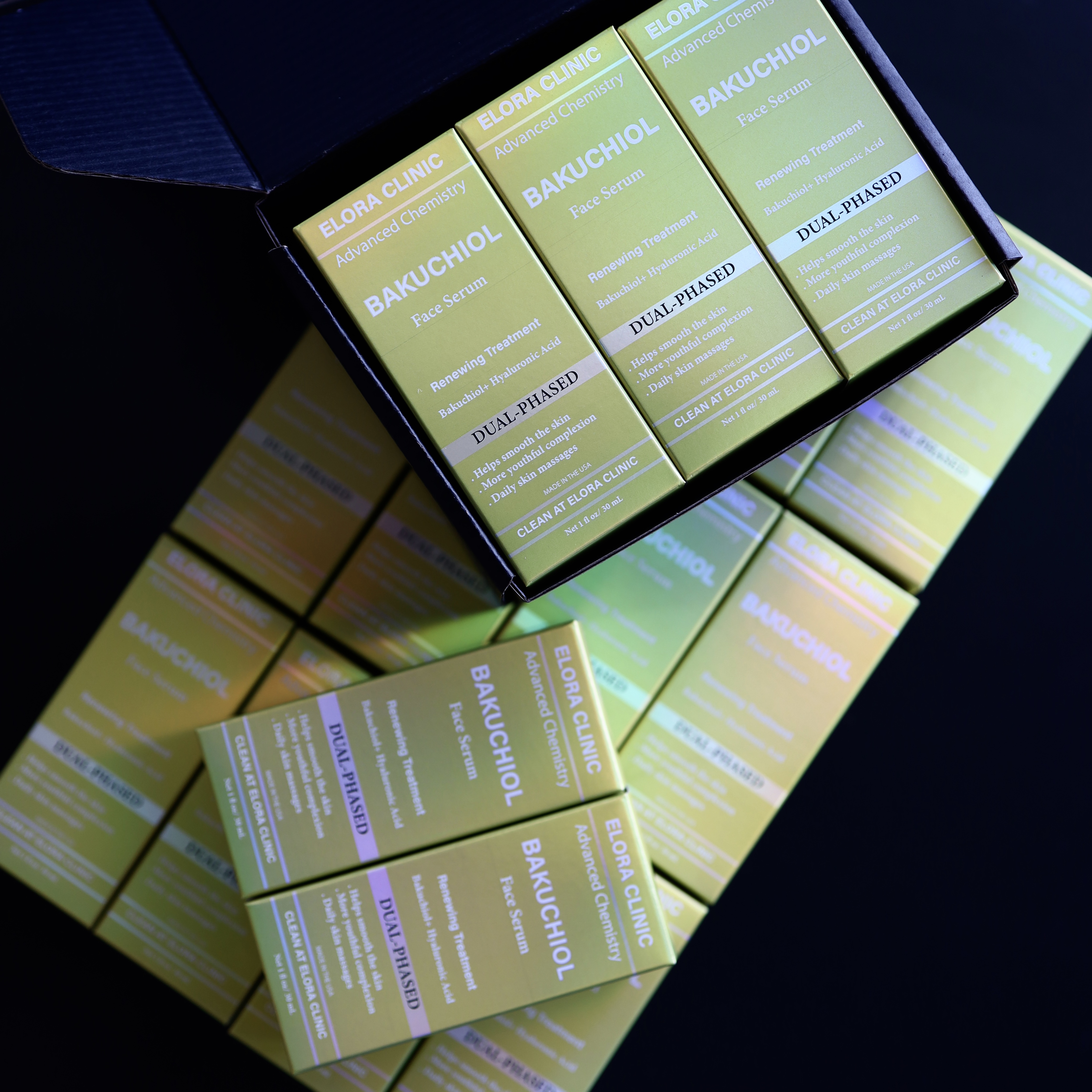
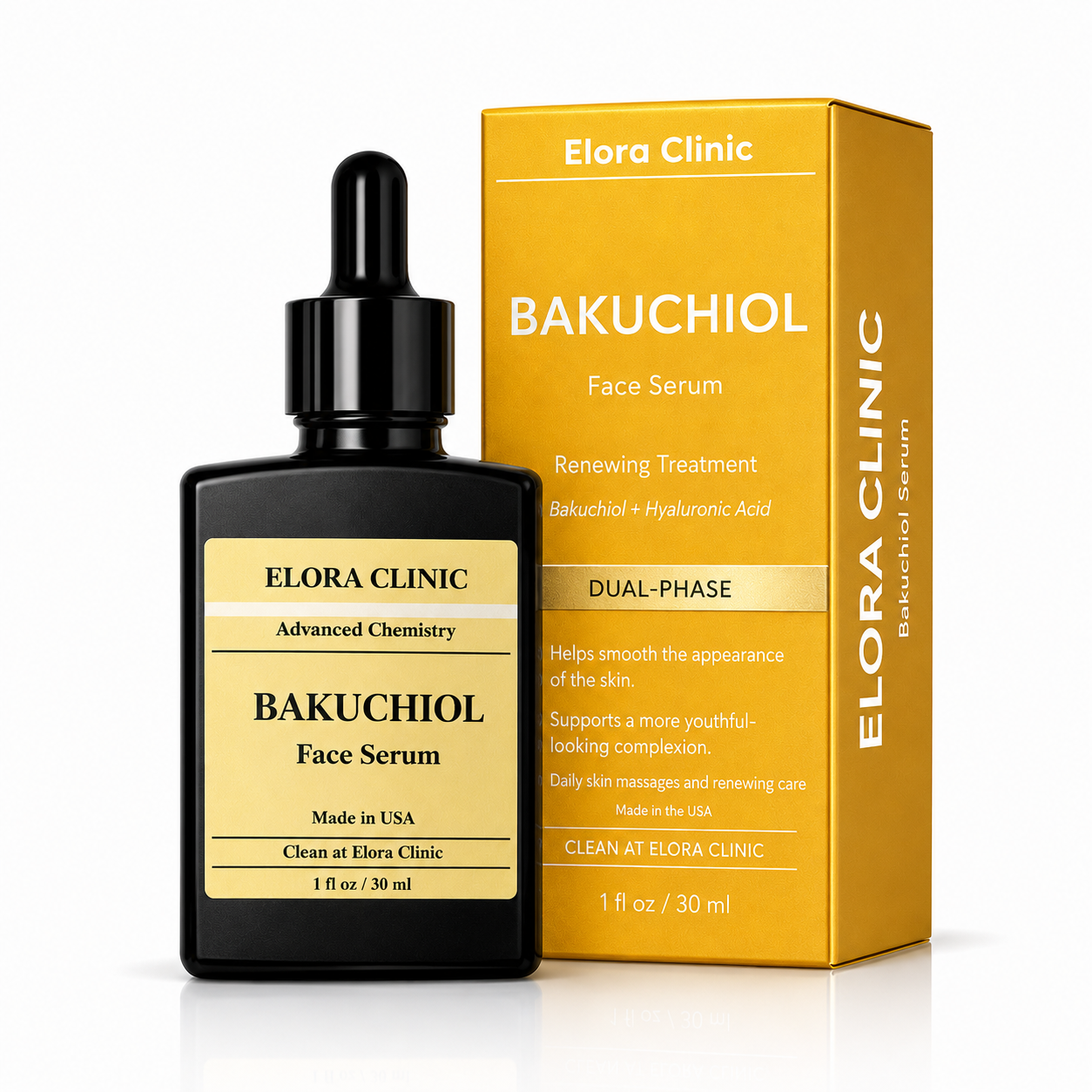
The Elora Clinic Bakuchiol Face Serum is a dual-phase formula containing a water-based portion and an oil-based portion. Its directions call for gently shaking the bottle before use, applying it to clean skin at night, and using it as the final step of the evening routine. Those instructions take priority over a generic rule that every serum goes before moisturizer.
The ingredient list includes bakuchiol, glycerin, sodium hyaluronate, squalane, and several plant oils. That is a different format from a thin water-based serum. The product page does not establish a bakuchiol percentage or a clinical result for this finished formula, so neither should be assumed from studies of other products.

If you own another brand’s product, read its own directions. Similar ingredient names do not guarantee the same texture, concentration, supporting ingredients, or application order. Keep the carton if it contains instructions that are abbreviated on the bottle.
Bakuchiol morning or night: a practical decision table
| What your product says | A sensible timing choice | What to avoid |
|---|---|---|
| Use at night | Keep it in your evening routine | Moving it to the morning because general advice says either time works |
| Use morning or evening | Choose the permitted time that fits your routine and feels comfortable | Assuming you must use it twice a day |
| Use as the final evening step | Apply after the earlier steps specified for your routine | Following a blanket rule that all serums come first |
| Directions are unclear | Ask the manufacturer about timing and layering | Guessing from the ingredient name alone |
| Skin burns, itches, or develops a rash | Stop using the product and assess the reaction | Moving the same irritating application from morning to night |
The table is a way to read directions, not a ranking of morning versus evening effectiveness. A comfortable routine you can repeat is more useful than a theoretically ideal schedule you keep changing. If your mornings are rushed, a product approved for either time may be easier to manage in the evening. If its label specifies daytime application, follow that instead.
What the research can—and cannot—tell you
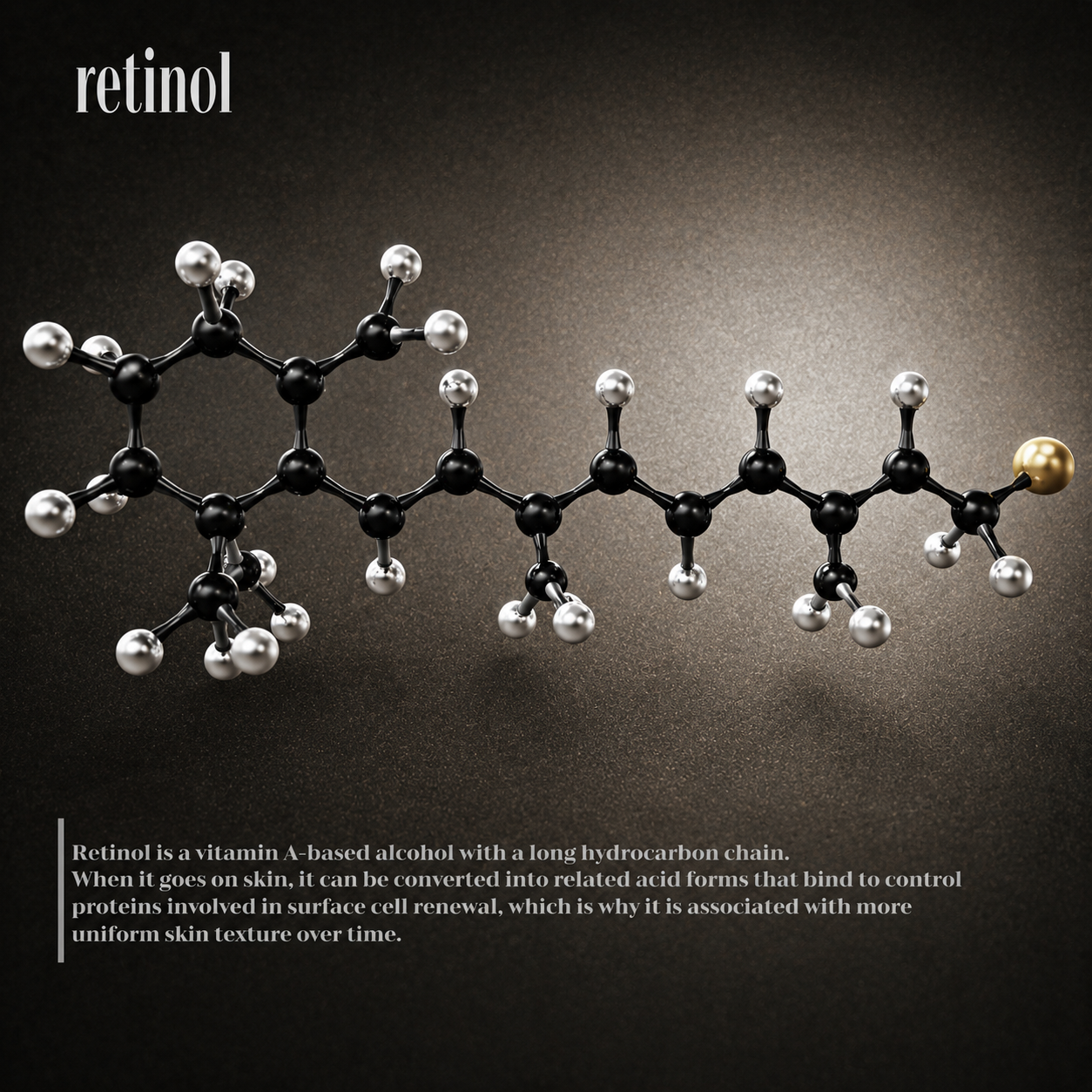
A randomized clinical trial published in the British Journal of Dermatology compared 0.5% bakuchiol used twice daily with 0.5% retinol used once daily in 44 participants over 12 weeks. Both groups showed improvements in measured wrinkle and pigmentation outcomes. Participants using retinol reported more scaling and stinging.
However, that study did not compare morning-only bakuchiol against night-only bakuchiol. The schedules differed between the study groups, and the formulas were specific to the trial. It therefore cannot establish that everyone needs bakuchiol twice daily, that nighttime is superior, or that Elora Clinic’s serum will reproduce the same results.
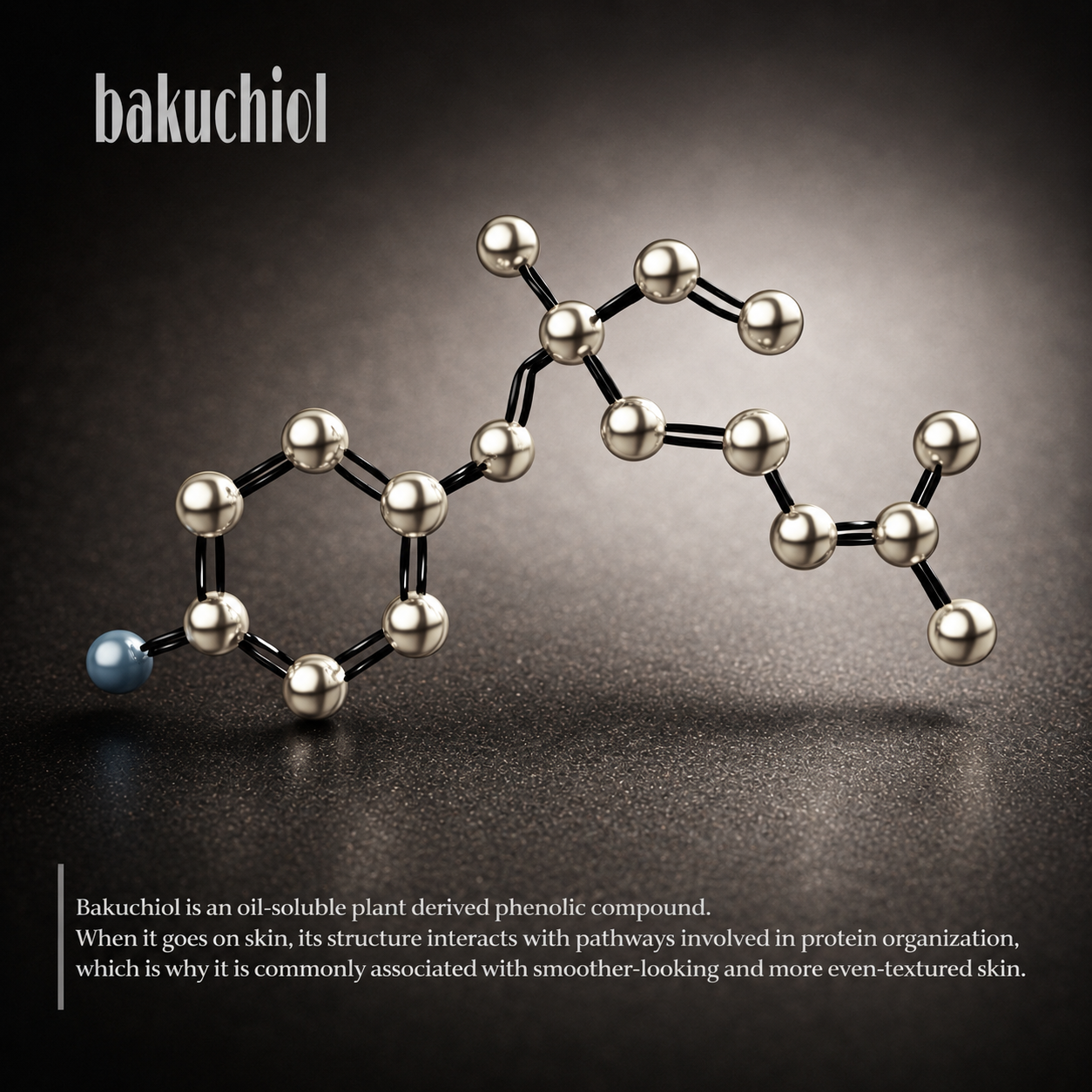
This is an important boundary when reading skincare advice. An ingredient study can help explain why a formulator is interested in a material. It cannot replace the directions or testing of the product in your hand. For background on the ingredient itself, see what bakuchiol is.

A simple evening routine for Elora Clinic’s formula
Keep the first version of your routine easy to understand. Cleanse as appropriate for your skin and remove the day’s sunscreen and makeup. Follow any earlier skincare steps you already tolerate. Then gently shake the bakuchiol bottle and apply according to its current instructions as the final evening step.
Do not use the product’s oil phase as a reason to abandon a moisturizer that your skin needs. Instead, consider the whole routine and keep the serum in its instructed final position. If you are uncertain about a particular moisturizer combination, ask the manufacturer. The separate guide to bakuchiol before or after moisturizer explains why format matters.
Avoid adding several new products on the same night. If your cleanser, exfoliant, moisturizer, and bakuchiol serum all change together, it becomes difficult to work out what caused discomfort. A practical approach is to keep the established steps steady while you assess the new product.
You do not need to stay awake for a long, invented waiting period after every layer. Follow any waiting instruction on the label and allow products to settle sufficiently for comfortable application. If the routine remains sticky or transfers heavily onto bedding, review the amount and number of layers rather than assuming that more product is more effective.

When a morning routine is an option
Morning use can be considered when the specific product permits it. Think about how the complete routine behaves under your sunscreen: whether it feels comfortable, spreads evenly, and fits the time you have. A formula that works well at night may feel too rich beneath several daytime layers, while another formula may be easy to use in either setting.
For Elora Clinic’s current bakuchiol serum, the answer remains nighttime because that is the stated direction. There is no need to move it into the morning to build a more complete routine. You can keep daytime skincare simple and reserve this product for its intended evening position.
Bakuchiol is not sunscreen. The American Academy of Dermatology’s sunscreen guidance recommends broad-spectrum, water-resistant sunscreen with SPF 30 or higher. Sun protection remains relevant whether you use bakuchiol at night, in the morning with another permitted formula, or not at all.
Timing is separate from how often you apply it
Choosing the evening answers “when,” not “how much” or “how often.” Follow the product’s usage directions and do not increase the amount simply because you skipped a previous application. Doubling a later dose makes the routine harder to assess and may leave more residue without providing an established benefit.
If you are new to the formula, assess it on a small area before making it a full-face habit. The AAD’s advice on testing a new skincare product describes repeated small-area testing over seven to ten days. This is a tolerance check, not a guarantee that a product can never cause a reaction.
Stop if you develop burning, a rash, or troublesome itching. Persistent or significant symptoms deserve professional assessment. Moving an irritating product to another time of day does not address the cause. Our guide to whether you can use bakuchiol every day covers frequency in more detail.

Combining bakuchiol with a daytime vitamin C serum
A morning-and-evening split can make a routine easier to organize: a vitamin C product used according to its daytime directions, followed by sunscreen, and the bakuchiol formula at night. This is a scheduling option, not proof that the combination is necessary or that the two products boost each other’s clinical performance.
If you already have a comfortable routine, there is no requirement to add another active ingredient. Consider the goal of each step, its cost, and whether you can tell that it is useful. If you do add a second product, introduce it separately so you can judge its feel and tolerability. See the discussion of bakuchiol and vitamin C for the broader pairing question.
Troubleshooting your chosen schedule
If the product feels heavy, start by checking whether you have followed the amount and order on the label. Extra facial oils, several rich creams, and a dual-phase serum may create a finish you dislike even when none is individually unsuitable. Simplifying optional layers is a clearer experiment than changing everything at once.
If you repeatedly forget the evening application, place the bottle with your established evening products while respecting its storage directions. A reminder is more appropriate than using an unapproved daytime schedule. Missing one application does not justify abandoning the label or applying extra the next day.
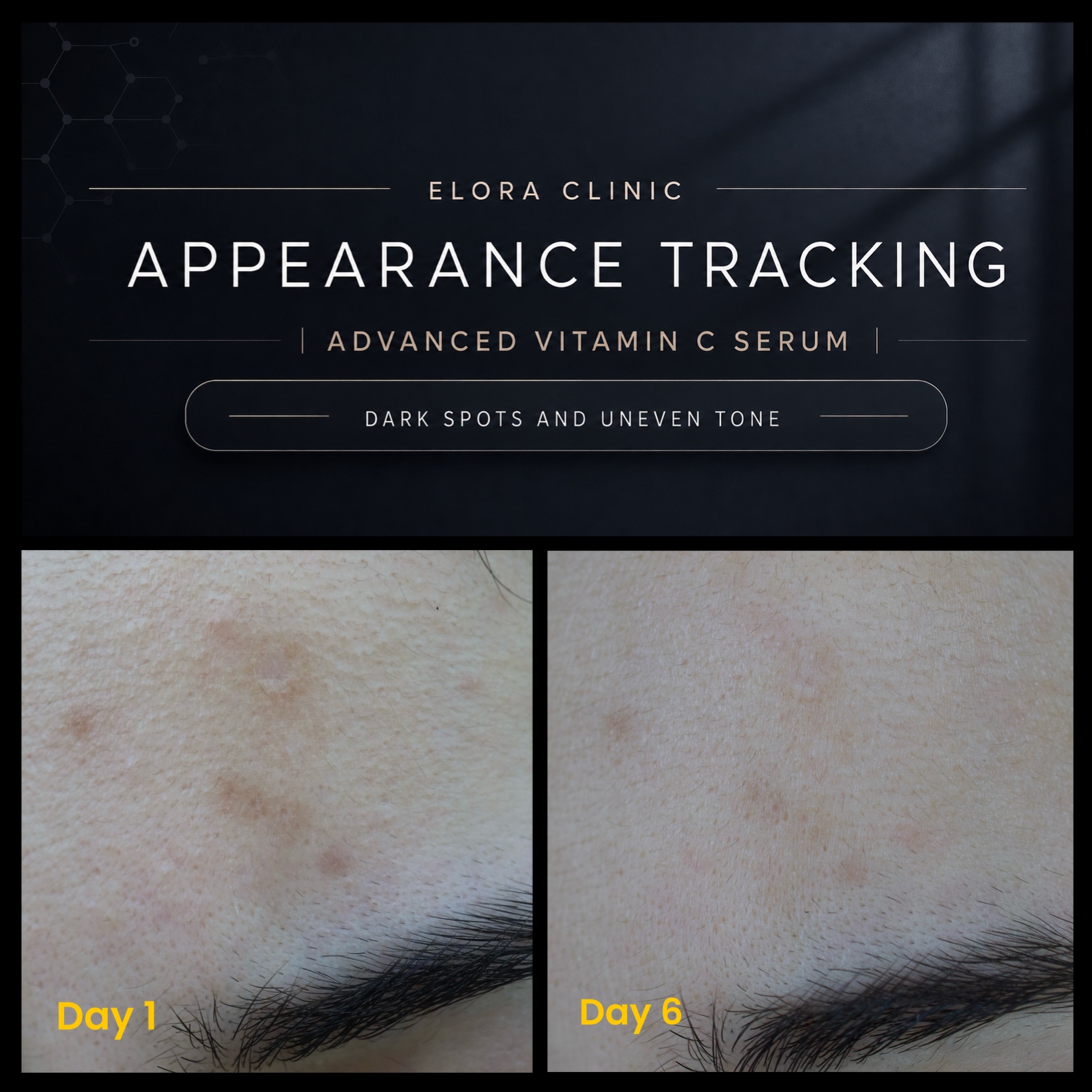
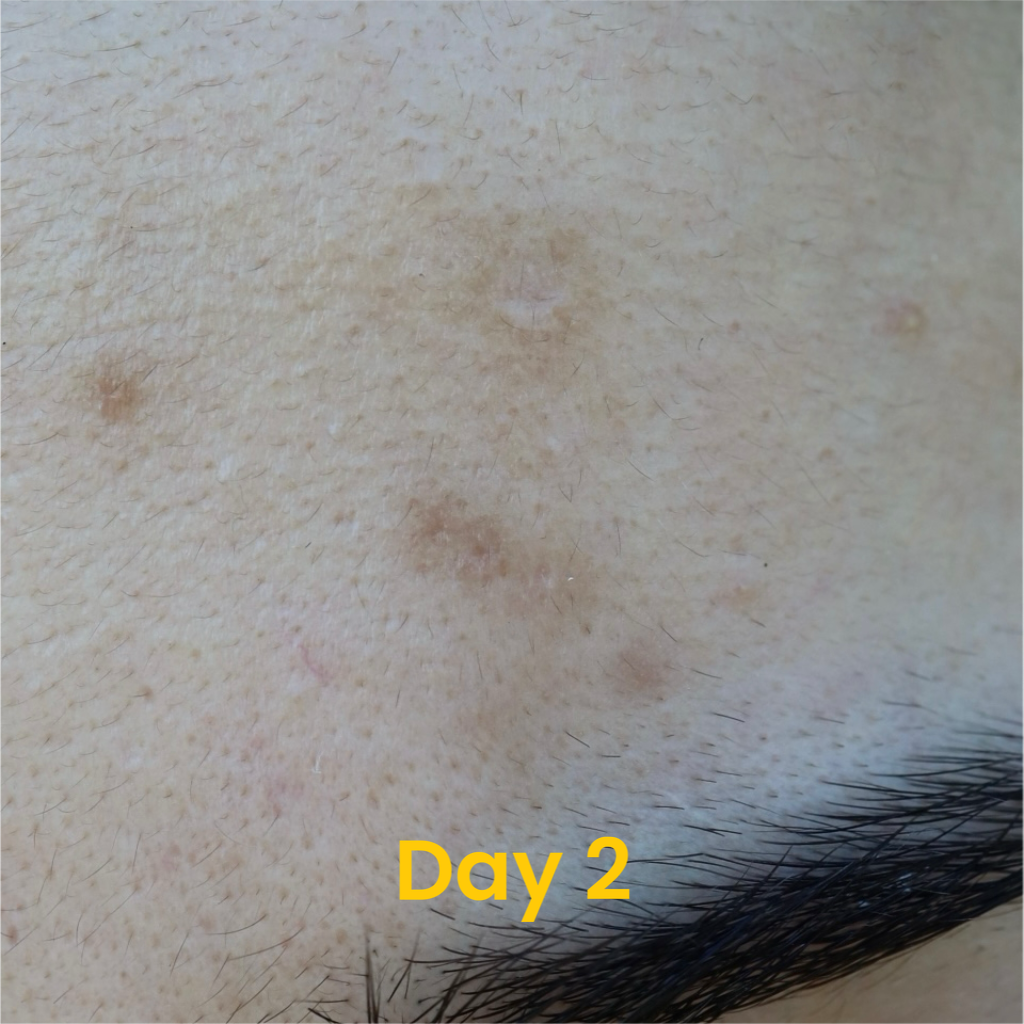
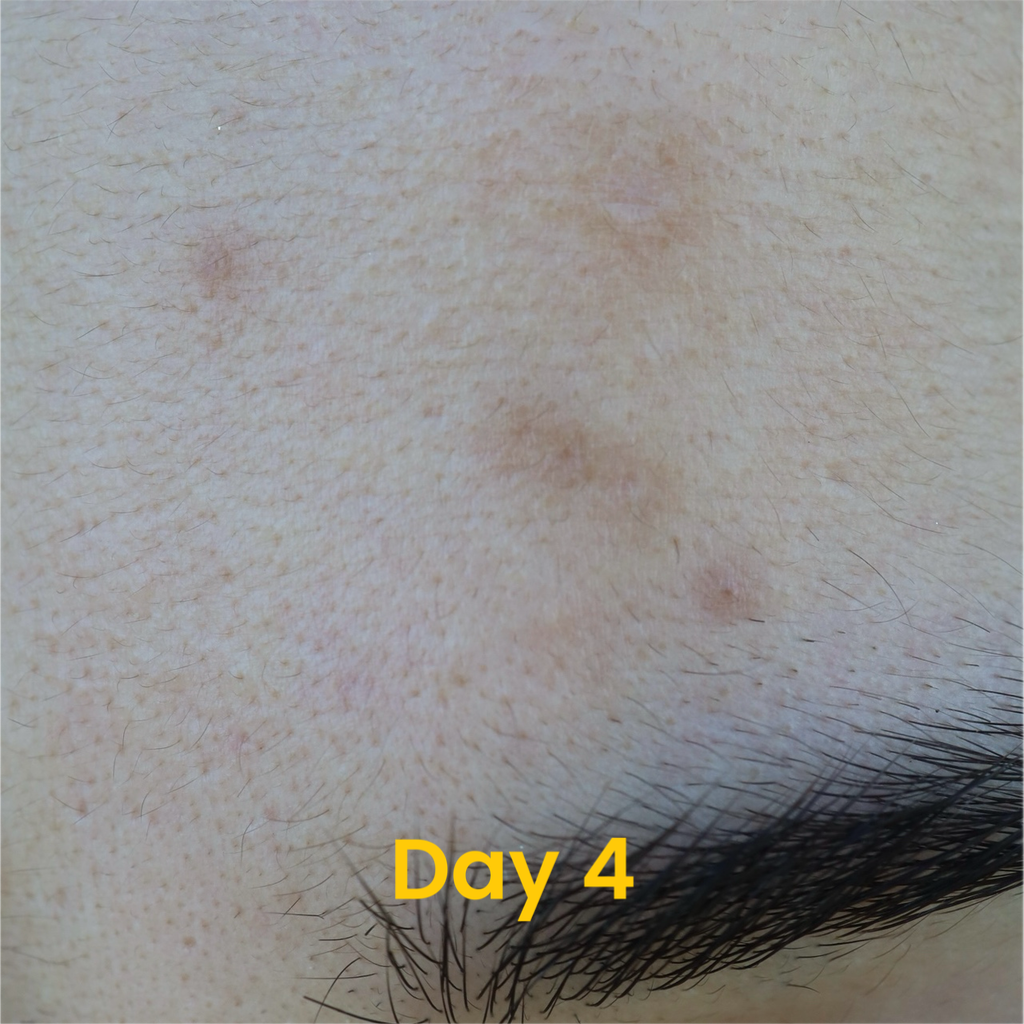
If you are uncertain whether the serum is helping, note one concrete cosmetic goal, such as how smooth or comfortable your skin feels. Keep observations under similar conditions. Day-to-day differences in lighting and hydration can make casual mirror comparisons misleading. Do not use photographs or customer testimonials as a substitute for clinical evidence.

Common questions
Is nighttime bakuchiol automatically stronger?
No. A time of day is not a concentration or a measure of potency. Follow the intended use of the finished formula. The trial discussed above does not establish a universal nighttime advantage.
Can I apply Elora Clinic’s bakuchiol serum twice a day?
Its current directions specify nighttime use as the final evening step. Do not infer a twice-daily instruction from a study of a different formula. Ask the brand if your bottle’s instructions differ from the current product page.
Should I change the timing if my skin feels irritated?
Stop and assess the reaction first. Irritation is not evidence that a product is working. A different clock time cannot make an unsuitable formula suitable for your skin.
For personal accounts of texture and routine preferences, you can read Elora Clinic customer reviews. Individual experiences are not clinical evidence or a promise of the same result for everyone.
Final takeaway
For the question “bakuchiol morning or night,” the most useful answer comes from the complete product. Elora Clinic’s dual-phase serum belongs at night as the final evening step. Other products may have different directions. Keep sun protection in your daytime routine, separate timing from frequency, and choose consistency over unnecessary extra applications. Explore the bakuchiol education collection for related questions.