















Peptide Serum Benefits for Skin: What Peptides Really Do and Who Should Use Them

Peptide serums have become a quiet staple in modern skincare — especially for people focused on skin barrier health, aging prevention, and long-term skin resilience rather than aggressive treatments.
But what exactly are peptides, how do they work on the skin, and are peptide serums actually worth using?
This guide breaks down the real benefits of peptide serums, how they compare to other actives, and who benefits most from incorporating them into a skincare routine.
What Are Peptides in Skincare?
Peptides are short chains of amino acids — the same building blocks that form essential skin proteins like collagen, elastin, and keratin.
In skincare, peptides function as cell-signaling molecules. When applied topically, they help communicate with the skin to support repair processes and maintain structural integrity.
Unlike exfoliating acids or retinoids, peptides do not force skin turnover. Instead, they work with the skin’s natural biology.
Key Peptide Serum Benefits for Skin
1. Supports the Skin Barrier
One of the most important peptide serum benefits is barrier support.
A healthy skin barrier helps:
- Retain moisture
- Reduce inflammation
- Protect against environmental stress
Peptides contribute by supporting protein synthesis within the skin, which helps reinforce barrier structure over time.
This makes peptide serums especially helpful for sensitive, compromised, or over-exfoliated skin.

2. Improves Skin Elasticity and Firmness
Certain peptides are studied for their role in supporting collagen signaling.
While peptides don’t “add collagen” to the skin, they help create an environment that supports firmness and elasticity — particularly when used consistently.
This is why peptide serums are often recommended for:
- Early signs of aging
- Loss of firmness
- Fine lines caused by dehydration
3. Gentle Anti-Aging Without Irritation
Compared to stronger actives like retinol or exfoliating acids, peptide serums are:
- Non-photosensitizing
- Non-exfoliating
- Well-tolerated by most skin types
This makes peptides ideal for people who want anti-aging support without redness, peeling, or downtime.
4. Helps Calm and Balance the Skin
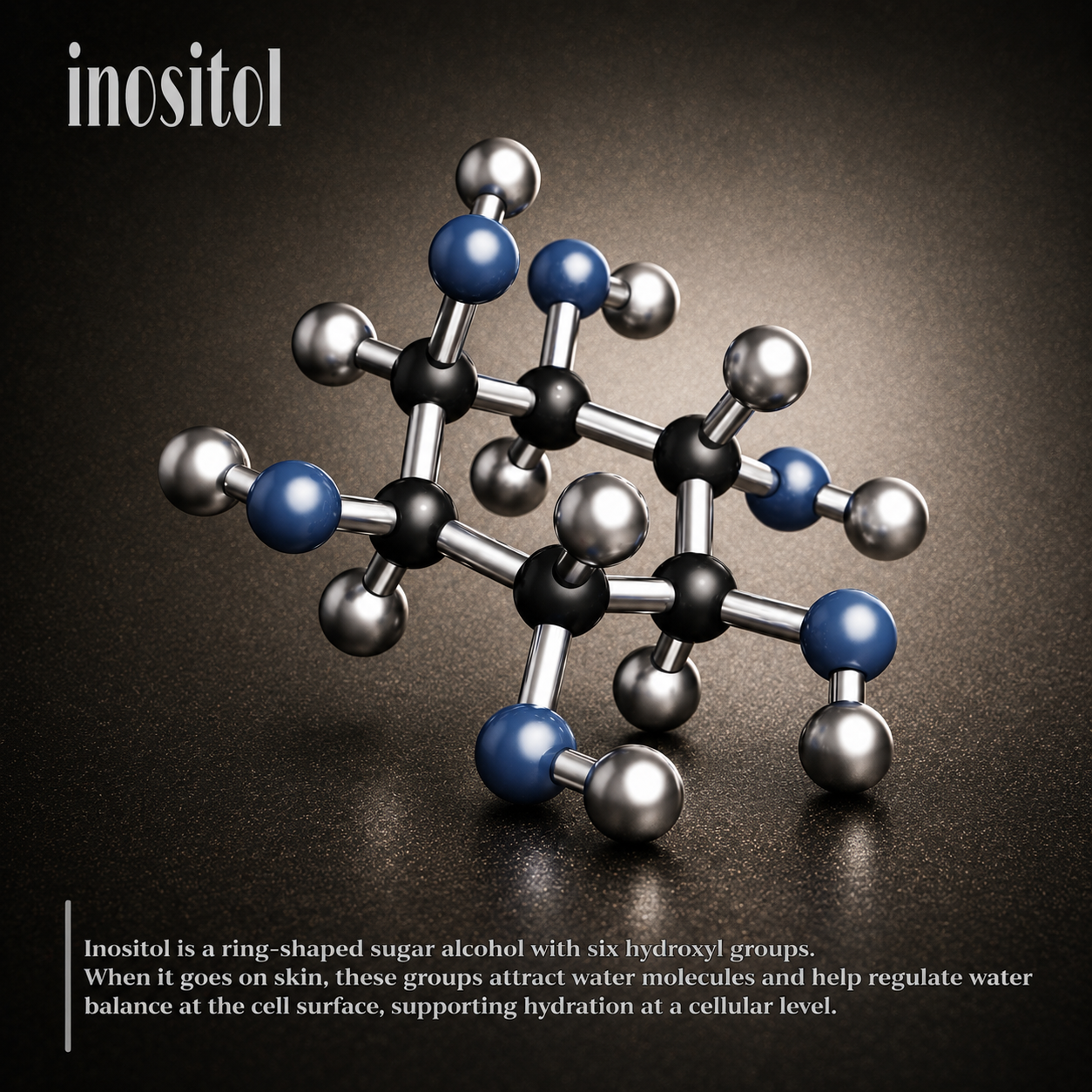
Many peptide formulations are paired with amino acids, humectants, or barrier-supporting ingredients.
Together, these ingredients help:
- Reduce visible irritation
- Improve skin comfort
- Support long-term skin balance
This makes peptide serums suitable for reactive or post-procedure skin routines.
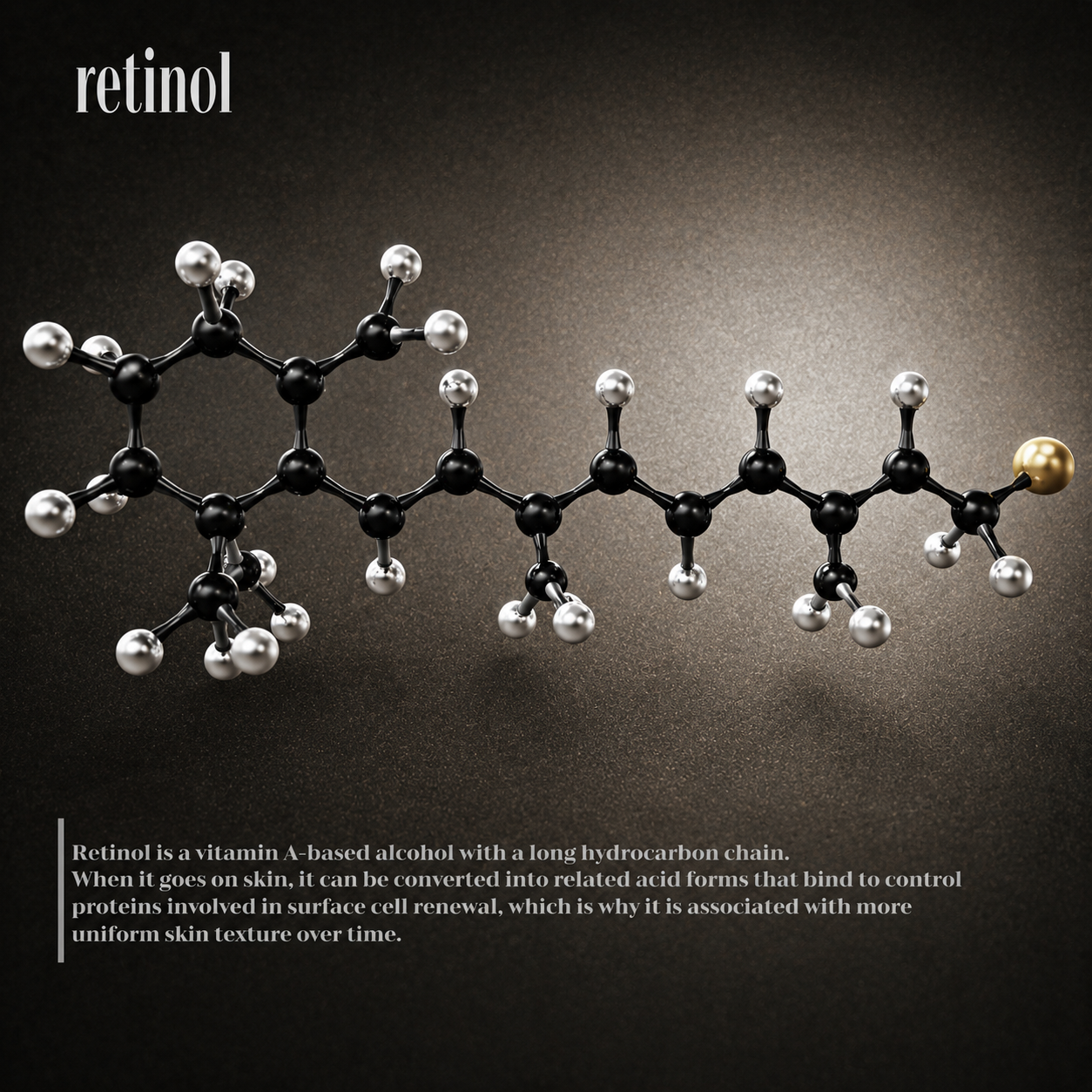
Peptides vs Retinol: Which Is Better?
Peptides and retinol serve different purposes.
| Peptides | Retinol |
|---|---|
| Support barrier & skin signaling | Accelerates cell turnover |
| Gentle & non-irritating | Can cause irritation |
| Safe for daily use | Requires adjustment period |
| Ideal for sensitive skin | Best for resilient skin |
Many people choose peptides when they want preventative care, or pair peptides with retinol on alternating nights for balance.

Peptides vs Amino Acids: What’s the Difference?
- Amino acids are individual building blocks that hydrate and support the skin barrier.
- Peptides are chains of amino acids that act as signals within the skin.
A routine that includes amino acids and peptides can be especially effective for maintaining hydration, barrier strength, and skin resilience.
👉 This is why peptide-focused routines often pair well with amino-acid-based serums.
Who Should Use a Peptide Serum?
Peptide serums are ideal for:
- Sensitive or reactive skin
- Dry or dehydrated skin
- Early signs of aging
- Post-treatment recovery
- Barrier-focused routines
They are also suitable for daily, long-term use, including morning and night routines.
How to Use a Peptide Serum in Your Routine
- Cleanse
- Apply peptide serum on damp skin
- Follow with moisturizer or barrier oil
- Use sunscreen in the morning
Peptides layer well with:
- Amino acid serums
- Niacinamide
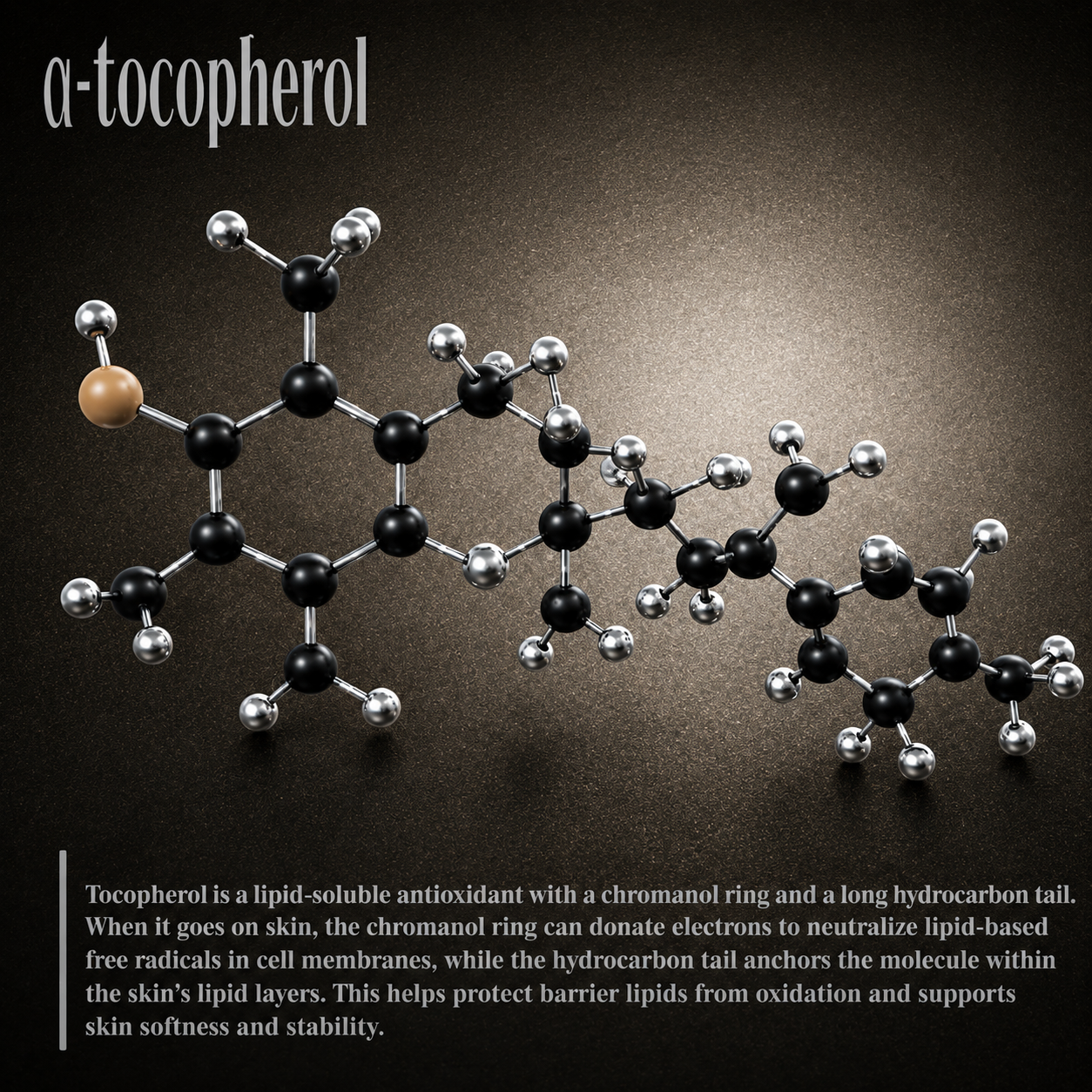
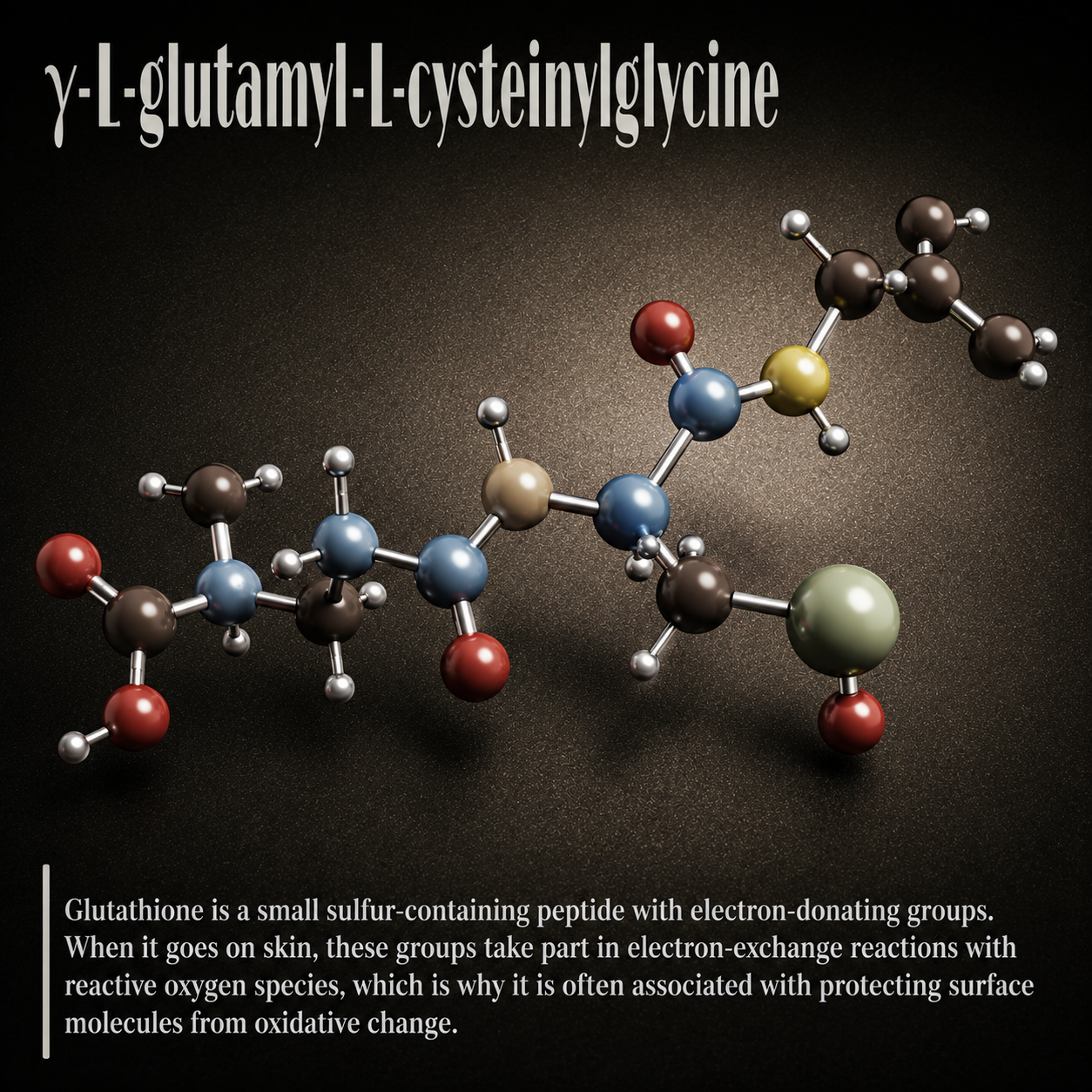
- Antioxidants
- Barrier-supporting moisturizers
Choosing a Peptide Serum: What Matters Most
When selecting a peptide serum, look for:
- Clear ingredient transparency
- Supportive formulation (not just peptides alone)
- Balanced pH
- Minimal fragrance or irritants
Formulation quality matters more than peptide concentration alone.

Final Thoughts: Are Peptide Serums Worth It?
Peptide serums are not quick-fix products — and that’s exactly why they work.
They support the skin’s natural repair systems, strengthen the barrier, and help maintain healthy skin function over time.
For anyone prioritizing skin health, resilience, and long-term aging prevention, peptide serums are a smart, science-backed addition to a routine.