















Best Serum Routine for Skin That Feels Dehydrated After Air Travel

Air travel exposes skin to one of the most dehydrating environments possible. Inside airplane cabins, humidity levels often drop below 20%, which is dramatically lower than the natural humidity the skin needs to maintain proper hydration.
This extreme dryness causes the skin to lose moisture rapidly. As a result, many people notice that their skin feels tight, dull, flaky, or unusually sensitive after flying.
A well-designed skincare routine can significantly reduce this dehydration and help restore the skin barrier.
This guide explains the best serum routine for skin that feels dehydrated after air travel, including which ingredients help restore hydration, which ingredients should be avoided immediately after flying, and how to rebuild moisture balance effectively.
Quick Expert Answer
The best serum routine for skin that feels dehydrated after air travel focuses on restoring moisture balance using humectants, barrier-supporting amino acids, and antioxidants. Ingredients like hyaluronic acid, aloe vera, arginine, and vitamin E help replenish water levels, calm irritation, and rebuild the skin barrier weakened by low airplane cabin humidity.
Why Air Travel Dehydrates the Skin
When skin is exposed to extremely dry air, it loses water through a process called transepidermal water loss (TEWL).
In airplanes, humidity levels can fall below 15–20%, compared with the typical indoor humidity range of 40–60% that skin prefers.
According to dermatological research published by the National Library of Medicine, low humidity significantly increases water loss from the outer skin layer and weakens the protective barrier.
External reference:
https://www.ncbi.nlm.nih.gov/pmc/articles/PMC5849435/
This leads to symptoms such as:
• tightness
• dull skin tone
• rough texture
• dehydration lines
• increased sensitivity
This is why travelers frequently notice that their skin looks tired or aged after flights.
A targeted serum routine can restore hydration much faster than moisturizer alone.
The Best Serum Routine for Skin That Feels Dehydrated After Air Travel
A proper routine should address three physiological problems caused by cabin air:
- water loss
- barrier disruption
- oxidative stress
The following serum routine focuses on restoring hydration without overwhelming sensitive skin.
Step 1 — Start with a Gentle Cleanse
After a long flight, the skin surface accumulates:
• sweat
• environmental pollutants
• recycled cabin air particles
Use a gentle, non-stripping cleanser.
Avoid harsh cleansers containing strong surfactants or exfoliating acids.
Once the skin is clean, the next step is hydration.
Step 2 — Apply a Humectant-Based Hydration Serum
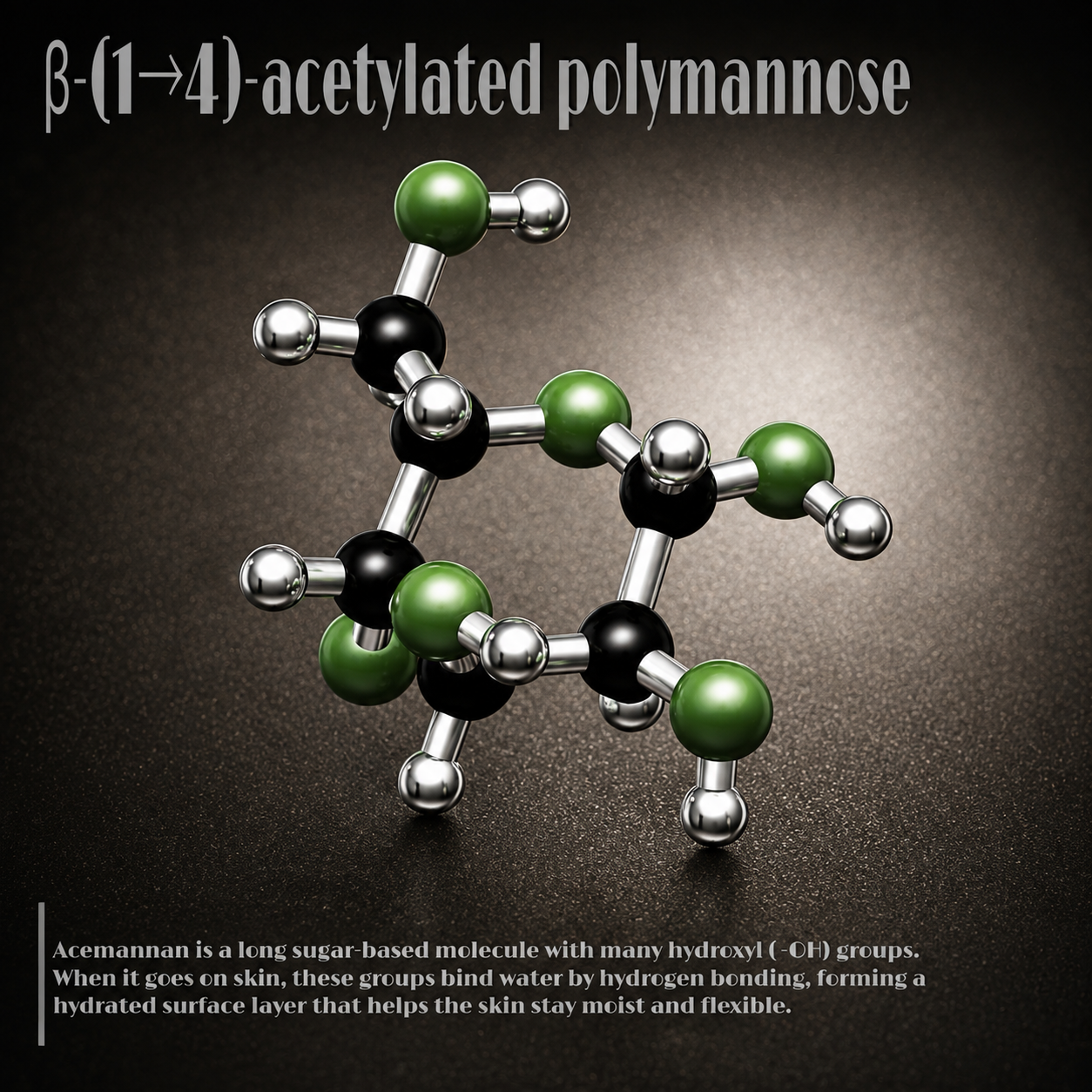
Humectants attract water into the skin.
These ingredients help immediately restore hydration lost during air travel.
Effective humectants include:
• hyaluronic acid
• glycerin
• aloe vera
• amino acids
One effective hydration-focused option is the Elora Clinic Aloe Vera & Hyaluronic Acid Serum.
Product page:
https://eloraclinic.com/product/aloevera/
Available at Walmart:
https://www.walmart.com/ip/Elora-Clinic-Aloe-Vera-and-Hyaluronic-Acid-Serum-Soothing-Hydrtaing-Deeply-Hydrating-Aloe-Vera-Hyaluronic-Acid-Serum-Oil-Free-Water-Based/1003476772
Aloe vera provides soothing hydration while hyaluronic acid helps bind water inside the skin.
This step helps relieve the tight, uncomfortable feeling many people experience after flights.
For more hydration science, see the guide:
hyaluronic acid serum benefits
https://eloraclinic.com/hyaluronic-acid-serum-benefits/
Step 3 — Support the Skin Barrier with Amino Acids
Once hydration levels are restored, the next step is strengthening the skin barrier.
Airplane environments disrupt the lipid barrier that normally keeps water inside the skin.
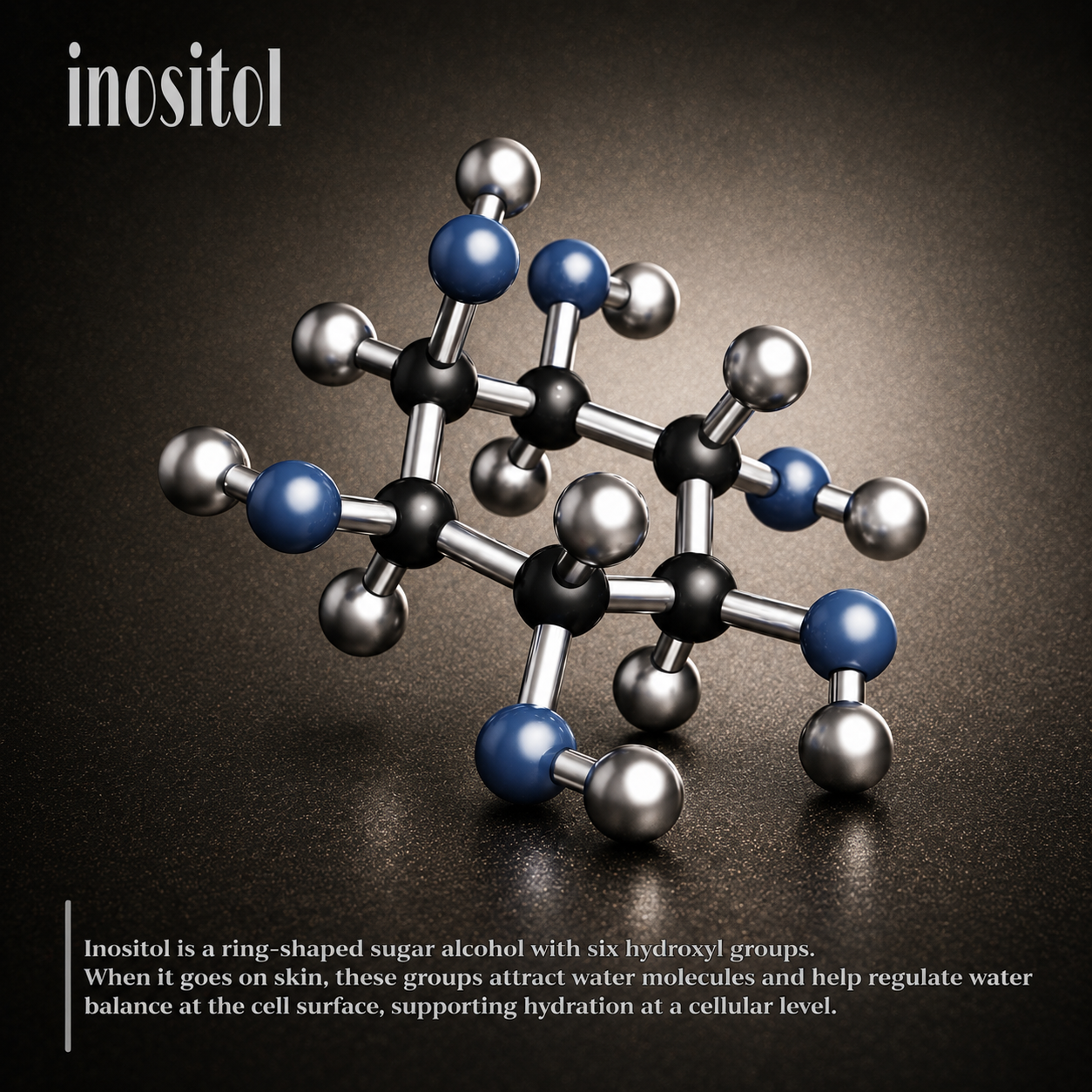
Amino acids help rebuild the Natural Moisturizing Factor (NMF) in the skin.
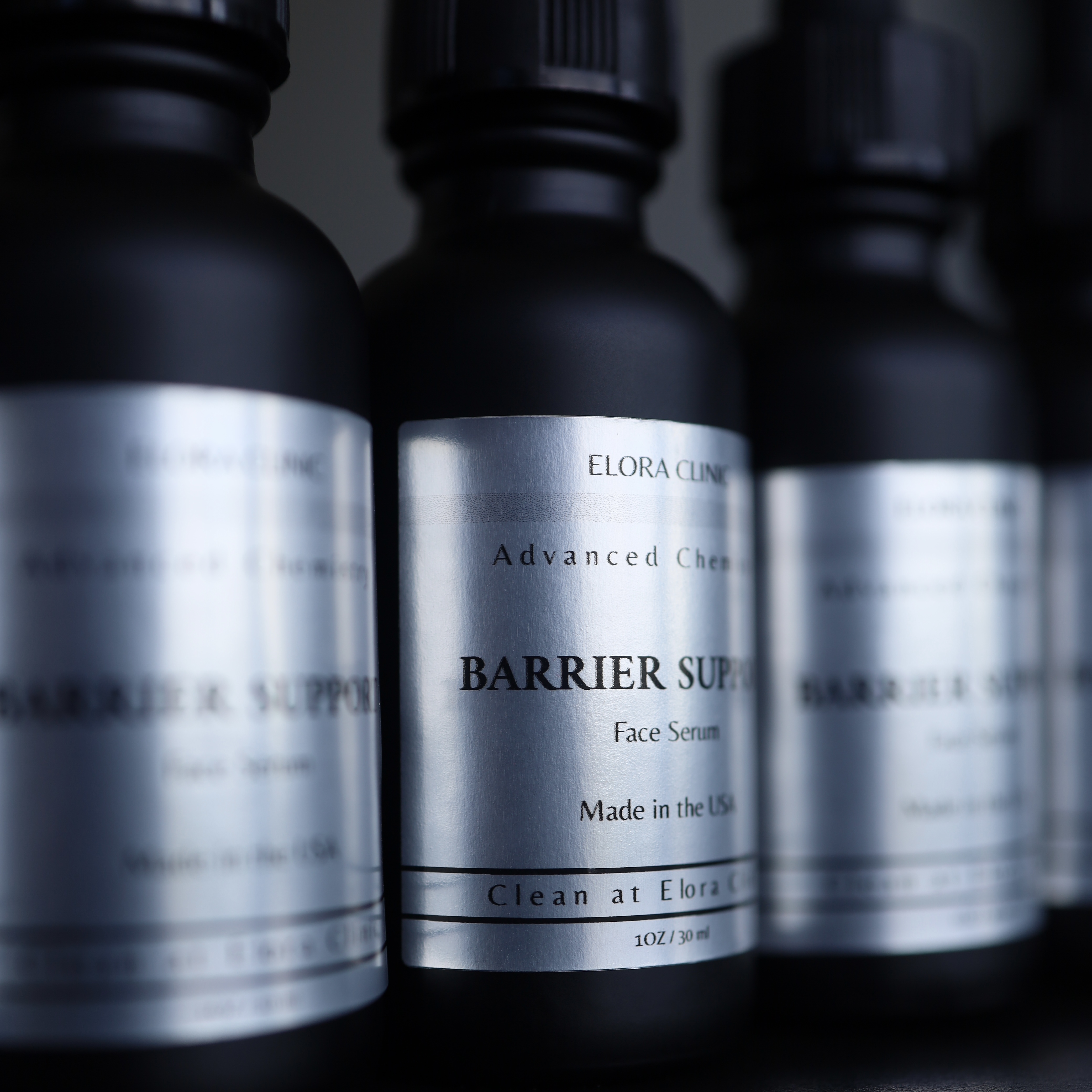
The Elora Clinic Arginine Serum helps restore barrier balance.
Product page:
https://eloraclinic.com/product/arginine/
Available at Walmart:
https://www.walmart.com/ip/Elora-Clinic-Arginine-Serum-Hyaluronic-Acid-Arginine-Hydrating-Soothing-Hyaluronic-Acid-Arginine-Oil-Free-Water-Based/5379033931
Arginine supports:
• hydration retention
• barrier repair
• improved skin resilience
Learn more about barrier hydration in the article:
humectants vs emollients vs occlusives skincare guide
https://eloraclinic.com/humectants-vs-emollients-vs-occlusives-skincare-guide/

Step 4 — Add Antioxidant Protection
Air travel exposes skin to environmental stressors including UV radiation through airplane windows and oxidative stress.
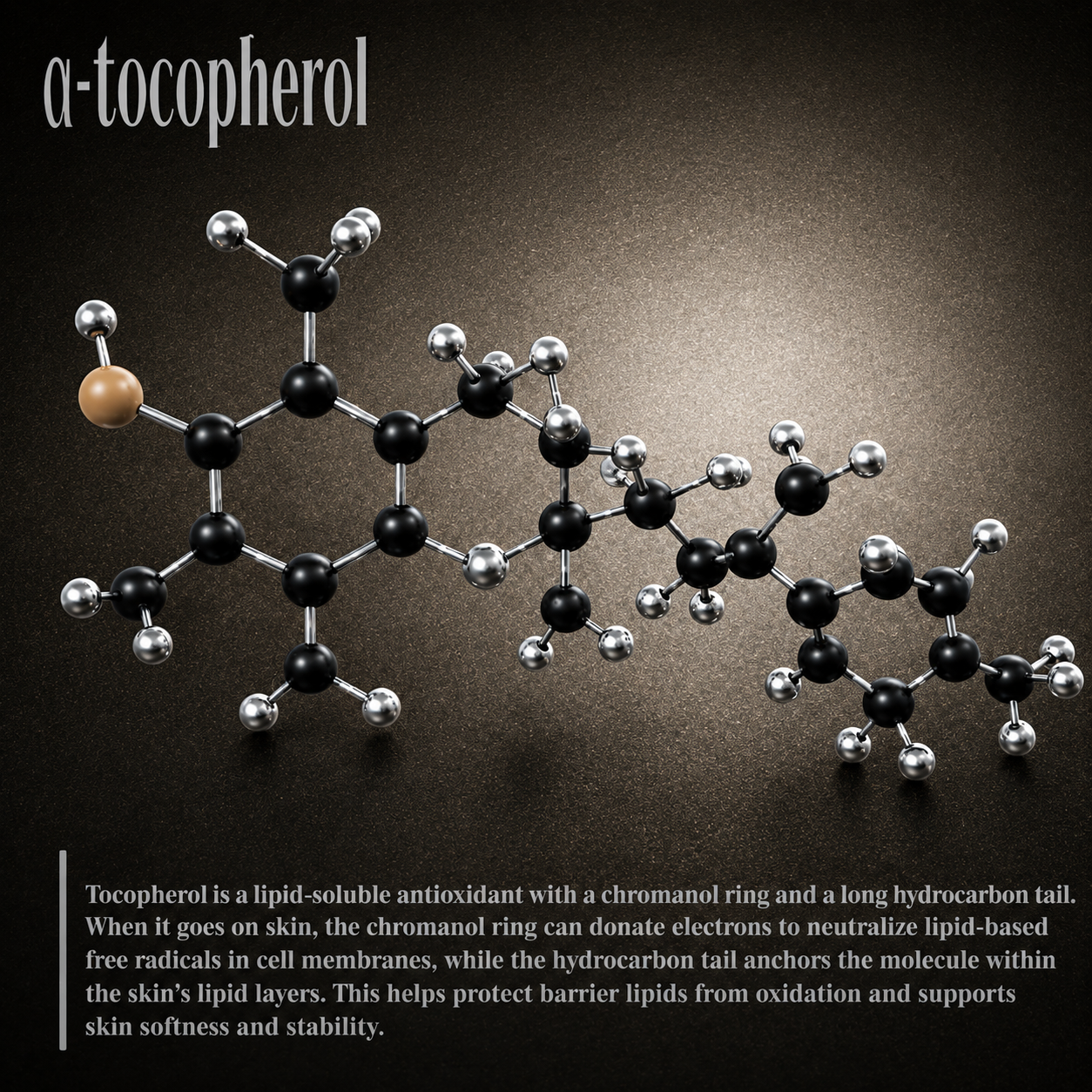
Antioxidants help neutralize free radicals and support recovery.
Green tea–based antioxidants are especially helpful for tired skin.
The Elora Clinic Matcha Serum provides antioxidant hydration.
Product page:
https://eloraclinic.com/product/matcha/
Available at Walmart:
https://www.walmart.com/ip/Elora-Clinic-Matcha-Face-Cream-Matcha-Hyaluronic-Acid-Hydrating-Antioxidant-Matcha-Face-Serum-Oil-Free-Water-Based/3739025558
Matcha contains catechins that help reduce oxidative stress.
Additional antioxidant education:
matcha serum benefits guide
https://eloraclinic.com/matcha-serum-benefits-guide/
Step 5 — Seal Hydration with a Moisturizer
Serums deliver active ingredients, but they must be sealed with a moisturizer to prevent water loss.
Choose a moisturizer containing:
• ceramides
• fatty acids
• squalane
This locks hydration into the skin.
More information about barrier lipids can be found in:
ceramide serum benefits guide
https://eloraclinic.com/ceramide-serum-benefits-guide/
Ingredients to Avoid Immediately After Flying
When skin is dehydrated from air travel, certain ingredients may worsen irritation.
Avoid temporarily:
Strong Exfoliating Acids
• glycolic acid
• salicylic acid
• lactic acid
These ingredients increase water loss.
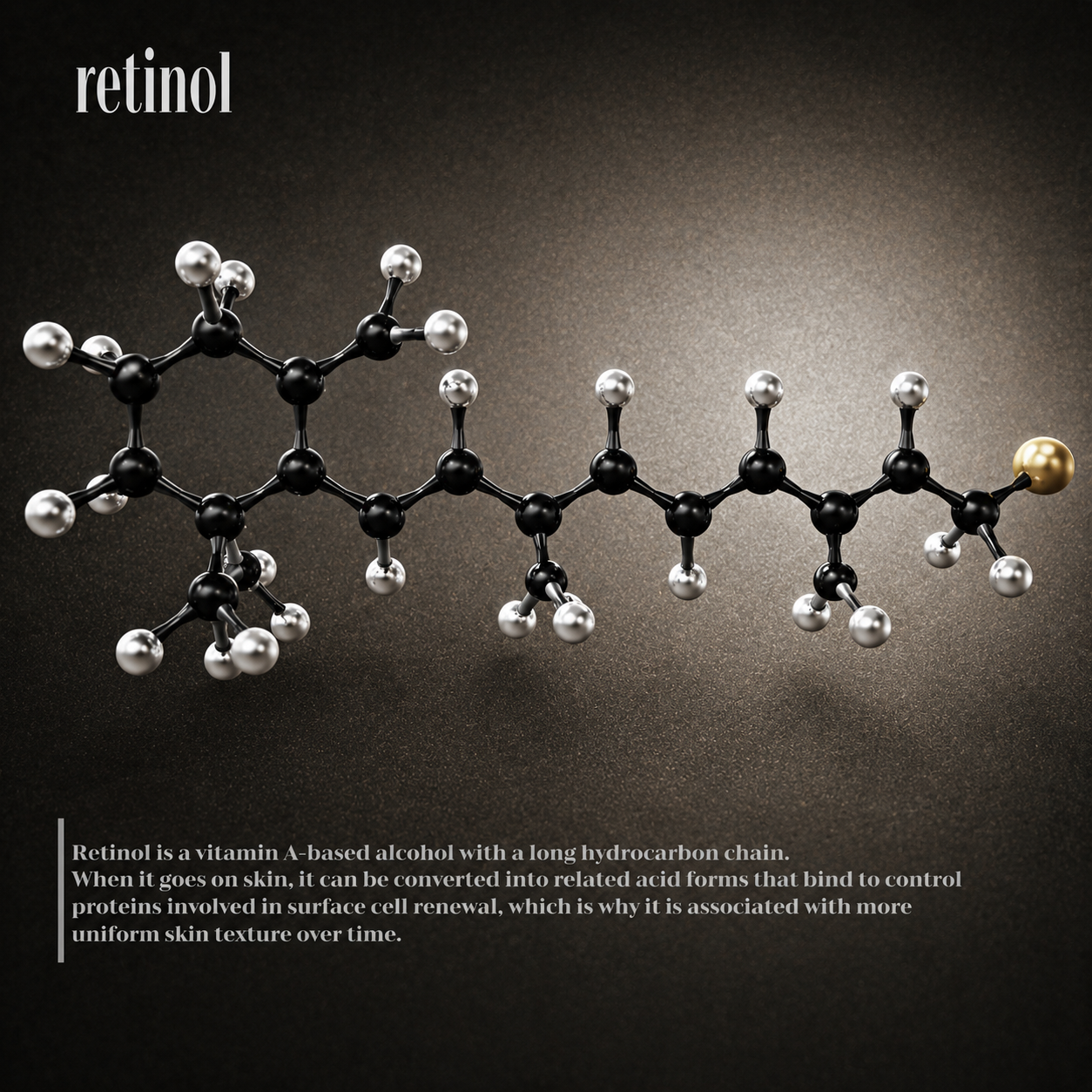
High-Strength Retinoids
Retinol products can increase sensitivity on already dehydrated skin.
Strong Fragrance Ingredients
Fragrance compounds may irritate compromised skin.
For additional recovery tips see:
hydrate dehydrated skin without heavy oils
https://eloraclinic.com/hydrate-dehydrated-skin-without-heavy-oils/

Morning Routine After Air Travel
Morning skincare should be minimal but effective.
- Gentle cleanser
- Hydration serum
- Barrier repair serum
- Moisturizer
- Broad-spectrum sunscreen
UV exposure during travel can worsen dehydration and oxidative stress.
Night Routine for Post-Flight Skin Recovery
Nighttime is when the skin performs most repair processes.
An effective routine includes:
- Gentle cleanser
- Hydating serum
- Barrier repair serum
- Moisturizer
Avoid layering too many actives.
This allows the skin barrier to recover naturally.
Why Hydration Loss Happens So Quickly During Flights
Airplane cabins use pressurized air systems that drastically reduce humidity.
In extremely dry air, the skin loses water through TEWL faster than normal.
This dehydration weakens the lipid barrier.
The result is:
• tightness
• visible fine lines
• dull complexion
This is why a targeted serum routine designed for post-flight recovery can quickly restore the skin’s hydration balance.
The Science-Driven Skincare Philosophy at Elora Clinic
Effective skincare routines should prioritize skin biology and barrier health, not social media trends.
At Elora Clinic, product formulations are developed around ingredient compatibility and hydration science.
Rather than encouraging complex routines with too many actives, the approach focuses on:
• barrier-supportive ingredients
• hydration stability
• compatible serum layering
• long-term skin resilience
You can explore the full skincare philosophy at the
Elora Clinic homepage:
https://eloraclinic.com/
This science-based approach ensures that serums support the skin’s natural ability to repair itself, especially in situations where environmental stress—such as air travel—has disrupted hydration balance.
Common Questions About Post-Flight Skin Dehydration
Why does skin look dull after flying?
Low cabin humidity causes rapid water loss, making the skin appear dull and tired.
Should you apply serum during flights?
Yes. Hydrating serums containing hyaluronic acid or aloe vera can help maintain moisture levels during long flights.
Does drinking water prevent skin dehydration during flights?
Hydration helps overall health but cannot fully prevent water loss from the skin barrier.
Topical skincare remains necessary.
Can antioxidants help skin after air travel?
Yes. Antioxidants reduce oxidative stress caused by environmental exposure during flights.

Expert Summary
• Airplane cabin humidity can fall below 20%, causing rapid skin dehydration
• The best serum routine for skin that feels dehydrated after air travel focuses on hydration and barrier repair
• Humectants like hyaluronic acid help restore lost water
• Amino acids strengthen the skin’s natural moisturizing factor
• Antioxidants reduce oxidative stress from travel exposure
• Avoid strong exfoliating acids or retinol immediately after flights
• Consistent hydration-focused routines help restore healthy skin balance